
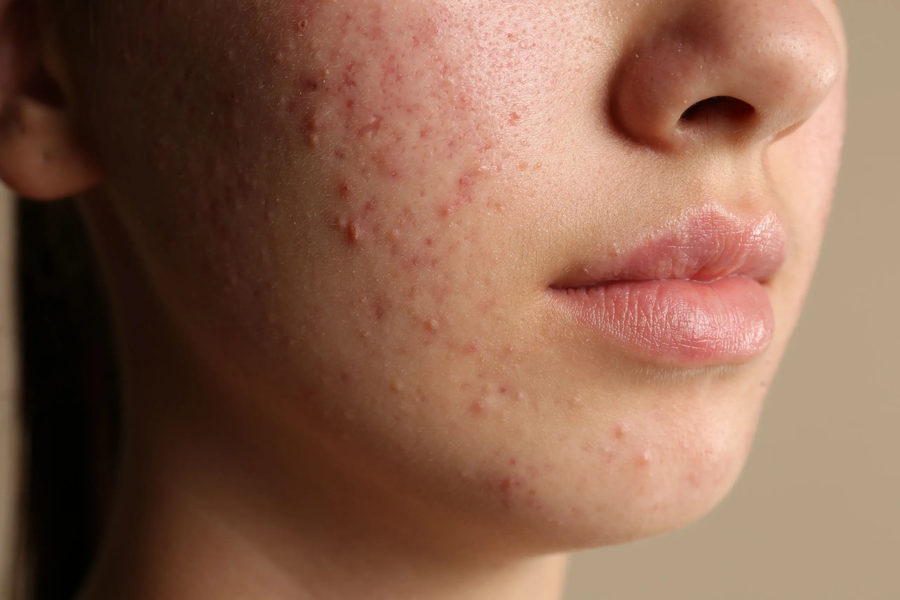
You might be looking in the mirror and seeing more than just skin. You see reminders of painful breakouts, the years you tried every cleanser on the shelf, and the way acne scars can quietly chip away at your confidence. Maybe makeup no longer covers the uneven texture. Maybe you are tired of avoiding certain lighting or photos. Botox treatments in Buffalo Grove can be one option to explore as you consider how to care for your skin and your confidence. It can feel unfair that even after the breakouts stop, the scars choose to stay.end
If that sounds familiar, you are not alone. Many people reach a point where home remedies and over the counter products are no longer enough. That is often when they start asking how medical spas treat acne scars in a structured, step by step way. In simple terms, med spas use a combination of medical grade treatments and careful planning to smooth texture, soften discoloration, and make scars less noticeable over time. It is not magic or overnight, but it is methodical and usually very targeted.
So where does that leave you right now. This guide walks through what those scars actually are, why they are so stubborn, how a med spa typically evaluates and treats them, and what you can realistically expect along the way. The goal is for you to feel calmer, more informed, and better prepared to decide whether a professional acne scar treatment plan is right for you.
Why acne scars feel so stubborn and confusing
Acne scars are not just “marks” on the surface. They are changes in the deeper layers of your skin after inflammation has damaged collagen. That is why they often feel like dents or raised areas rather than simple spots.
There are several common types. Icepick scars are narrow and deep, like tiny punctures. Boxcar scars are wider with edges that look sharper. Rolling scars cause a wavy texture under the skin. There are also raised, thicker scars where the body produced extra collagen. Because each type behaves differently, they rarely respond to one simple cream.
This is where frustration creeps in. You might have tried exfoliating more, using strong acids, or following online “miracle” routines. Sometimes these help a little. Other times they irritate the skin, and irritation can make scars look even more obvious. When you are spending money and emotional energy and still not seeing change, it can start to feel hopeless.
On top of that, you may still have active acne. Treating scars on skin that is still breaking out can feel like building a house while the ground is shaking. According to the National Institute of Arthritis and Musculoskeletal and Skin Diseases, getting acne itself under control is an important step before long term scar work really pays off. That means any serious scar plan should respect both the past damage and what your skin is doing right now.
How does a med spa actually approach acne scars step by step
Because of this tension between what you want right now and what your skin can safely handle, a good med spa does not jump straight into the strongest treatment. They follow a step by step approach to acne scar treatment that usually looks something like this.
Step 1. Careful assessment of your skin and scar types
Your first visit is usually a consultation. The provider studies your scars in different lighting, checks your skin tone and sensitivity, and asks about your medical history and past acne treatments. They will often separate your scars into types, since boxcar and rolling scars respond differently than raised scars. They may also check for any underlying conditions or medications that could affect healing, such as a history of keloids or use of certain acne drugs.
This is where expectations are set. Some scars can be softened a great deal. Others can be improved but not erased. Hearing this clearly now helps prevent disappointment later.
Step 2. Stabilizing active acne and skin barrier
If you still have active breakouts, the med spa will usually address that first or coordinate with a dermatologist. There is little point in smoothing old scars if new ones are forming every month. They may recommend prescription topicals, light based treatments, or changes in your routine to calm ongoing inflammation.
At the same time, they often work on strengthening your skin barrier. Many people with acne scars have over exfoliated or used harsh products for years. Before starting procedures like microneedling or lasers, your skin needs to be reasonably calm and hydrated so it can heal properly.
Step 3. Designing a combined treatment plan
Once your skin is more stable, the provider will create a plan that may combine multiple treatments over several months. This is where the true value of a professional acne scar treatment approach shows up. Instead of random one off procedures, there is a sequence.
Common options include microneedling to trigger new collagen, fractional laser or energy based resurfacing for texture, chemical peels to smooth and brighten, subcision to release tethered rolling scars, and fillers for deeper “dents.” For raised scars, options like injections to flatten the area may be used. Each treatment is chosen based on your specific scar pattern and skin type, not just what is popular online.
Step 4. Treating, monitoring, and adjusting
During the treatment phase, you come in for scheduled sessions. Results build gradually. After each visit, the provider checks your healing, adjusts intensity, and may add or remove certain steps depending on how your skin responds. You will also receive clear instructions for at home care, which is just as important as the treatment itself.
Along the way, they will watch for side effects like pigmentation changes or prolonged redness. That is why professional supervision matters. Scar healing is a process, and your plan should be flexible enough to adapt to how your skin behaves in real life.
Should you try DIY care or med spa treatments for acne scars
So you might be wondering whether you should keep trying at home approaches or move toward a professional acne scar removal treatment at a med spa. Both paths have a place, and understanding the tradeoffs can help you decide.
| Approach | What it typically includes | Pros | Limits / Risks |
| DIY / At home care | Over the counter retinoids, gentle acids, sunscreen, hydrating products, lifestyle changes | Lower cost. Good for mild discoloration. Helps prevent new scars by controlling breakouts. | Usually cannot change deeper texture. Risk of irritation if products are overused or mixed incorrectly. |
| Professional med spa treatments | Microneedling, laser resurfacing, chemical peels, subcision, fillers, scar injections | Targets deeper scars. Custom plan for your scar types and skin tone. Medical supervision for safety. | Higher cost over time. Temporary redness or downtime. Multiple sessions often needed. |
| Dermatology based medical management | Prescription acne control, treatment of raised scars, management of pigment issues | Essential if acne is still active. Helps prevent new scars. Can address complex medical issues. | May not focus on cosmetic refinement as much as a med spa. Often used together with med spa care. |
Medical resources such as MedlinePlus on scars explain that most scars never disappear completely, but they can often be softened and made far less noticeable. The key is matching the depth and type of the scar to the right treatment, rather than expecting one product or one session to do everything.
What about safety, pain, and long term results
It is natural to worry about pain, side effects, and whether results will last. Most med spa treatments for acne scars use numbing creams or injections to keep you comfortable. You may feel pressure, scratching, or heat, but it is usually tolerable and brief. Your provider will talk through what to expect for each step.
In terms of safety, a thoughtful provider will screen you for risks like a tendency toward keloids, certain medications, or very recent sun exposure. They will also time treatments so your skin has proper recovery. Some procedures can temporarily darken or lighten the skin, especially in darker skin tones, so it is important that they choose techniques and settings appropriate for your complexion. Resources such as the NCBI clinical review on acne scar management emphasize the need for individualized plans for this reason.
Results from med spa acne scar treatments are generally long lasting because they are based on real collagen remodeling, not just surface smoothing. That said, your skin will continue to age, and sun damage or new breakouts can affect how scars look over time. Good daily care, including sunscreen, gentle cleansing, and ongoing acne control, helps protect the progress you make.
Three practical steps you can take right now
1. Get clear on your goals and your “why”
Before you talk to any provider, take a quiet moment and ask yourself what you really want from treatment. Do you want smoother texture in certain areas. Are you hoping to feel more at ease in photos. Are you trying to reduce the need for heavy makeup. Writing this down helps you communicate clearly and sets a realistic target for your care team. It also keeps you from chasing every new procedure you see online without a plan.
2. Start a gentle, protective skincare routine today
Even before you schedule a consultation, you can begin supporting your skin. Use a mild cleanser, a simple moisturizer, and daily broad spectrum sunscreen. Avoid starting multiple strong acids or scrubs at once. If you already use a retinoid and your skin tolerates it, keep it consistent. This kind of routine calms irritation and strengthens your barrier, which prepares your skin for any future professional acne scar treatment.
3. Schedule a consultation and ask specific questions
When you meet a med spa or dermatology provider, treat it as a two way interview. Bring a list of questions. For example. Which types of scars do I have. What treatments do you recommend for each type. How many sessions are usually needed. What are the common side effects for my skin tone. How much downtime will I realistically have after each visit. Can I see before and after photos of patients with similar skin. Their answers will tell you a lot about their experience, honesty, and whether their style fits your comfort level.
Moving forward with more clarity and less pressure
Acne scars can feel like a permanent reminder of a chapter you never chose, and wanting change is completely understandable. You do not have to pretend it does not bother you, and you also do not have to rush into anything. Understanding how medical spas treat acne scars step by step gives you room to breathe. There is a structured way to approach this, and you are allowed to take it one decision at a time.
As you think about next steps, remember that progress with scars is usually measured in degrees, not absolutes. A smoother cheek, softer edges around a few deeper marks, or less shadow in certain lighting can all add up to a big emotional shift. With the right information, the right questions, and a plan that respects both your skin and your peace of mind, change is possible.
