
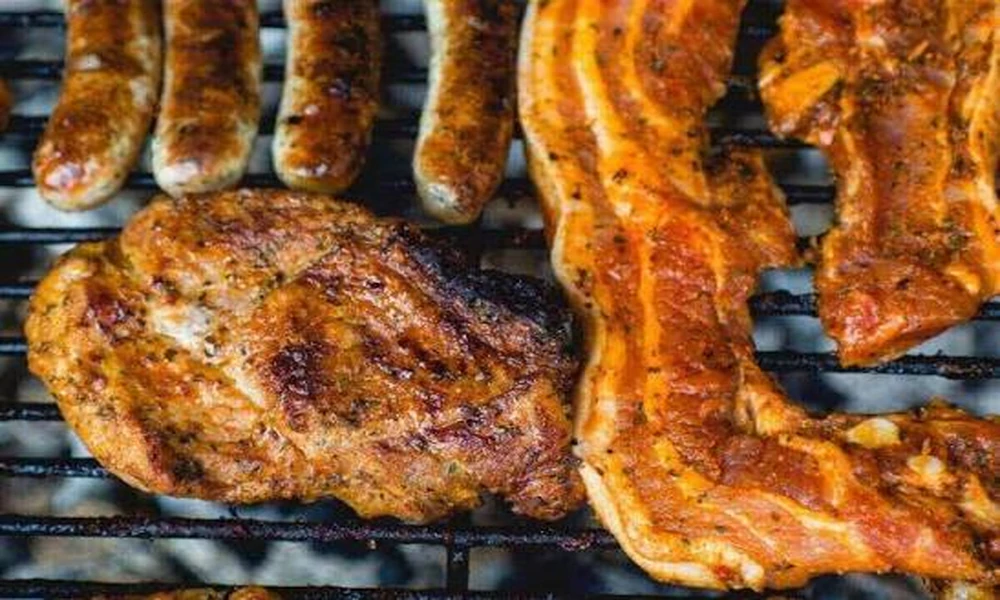
Six briskets, four sauces, two kinds of slaw, and a pitmaster who hasn’t slept since Thursday. That’s what happens when a restaurant tries to be every barbecue region at once. I’ve watched it play out in kitchens from Texas to the Carolinas, and the pattern never changes: too many styles, too little identity, and a menu that confuses the people paying for dinner.
Here’s the good news. Regional barbecue styles aren’t a trap. They’re a blueprint. Pick a lane, respect the traditions inside it, and build your menu around a short list of things you can cook better than anyone within driving distance.
Why Regional Styles Exist in the First Place
Barbecue didn’t start as a marketing category. It started as survival cooking. Communities used whatever protein and fuel they had, then layered local flavors on top because that’s what grew nearby. Texas ran cattle, so beef became the centerpiece and the sauce stayed thin if it showed up at all. The Carolinas had hogs and vinegar, so pulled pork and a sharp, peppery sauce took over. Kansas City sat at a crossroads of trade routes, which is why its barbecue pulls from everywhere and leans sweet.
That history matters to you as an operator because your customers are already carrying expectations. A Texan who orders brisket expects a bark, a smoke ring, and no sauce drowning the meat. A Georgia regular who orders pulled pork expects tang. Fight those expectations and you’ll spend every table visit explaining yourself. Work with them and the food sells itself.
If you want the cultural context on how food traditions travel and stick, the National Archives keeps records of regional foodways that show how deeply these preferences run. It’s a reminder that you’re not inventing taste from scratch. You’re borrowing from something older than your restaurant.
Pick One Anchor Style, Then Earn the Rest
I’d take a hard line here. Choose one region as your anchor and make it unmistakable. Not two. One. Your anchor style is the thing people describe when they recommend you to a friend. Everything else on the menu is a supporting act.
The Boulder Method is how I think about it, and it’s the framework I’d hand any pitmaster opening a new spot. Picture three rings. The center boulder is your anchor style, and it never leaves the menu. The middle ring holds two or three items that share your cooking method but come from a neighboring tradition. The outer ring is seasonal, experimental, and easy to cut when it stops selling.
- Center boulder: your signature protein, your house sauce, your consistent smoke profile.
- Middle ring: sides and secondary meats that complement, not compete. Think smoked sausage next to brisket, or burnt ends as a Friday special.
- Outer ring: limited runs. A hatch chile pork plate in late summer. A rib tip basket when you’ve got the trim.
The benefit isn’t aesthetic. It’s operational. Your pit crew gets faster at one thing, your food cost stabilizes, and your servers stop memorizing forty plates. Meanwhile, the middle and outer rings give regulars a reason to come back without forcing your kitchen to learn a new protein every month.
What Does Sauce Actually Do for Your Menu?
More than you think, and less than the sauce aisle at the grocery store suggests. Sauce in a real smokehouse isn’t a flavor rescue. It’s a seasoning decision. If your brisket needs sauce to taste good, you have a cook problem, not a sauce problem.
My rule: serve sauce on the side by default, and make each one earn its spot.
- Vinegar and pepper. Non negotiable if you’re serving pulled pork or anything Carolina leaning. Thin, sharp, cuts through fat.
- Tomato and molasses. The crowd pleaser. Sweet, thick, works on ribs and chicken. Watch your sugar content or it’ll burn on the grill finish.
- Mustard based. A South Carolina staple and a genuine differentiator if you’re in a market that doesn’t have one yet.
- White sauce. Alabama’s contribution. Mayo, vinegar, horseradish. Sounds strange, tastes incredible on smoked chicken, and it starts conversations.
Four sauces is plenty. Five is showing off. I’ve seen menus with nine, and not one of them was made in house. Which brings up the obvious point: if you’re bottling your own, that’s a retail line, not just a condiment. That changes your whole business math.
Sides and Sourcing Deserve the Same Discipline
Sides are where barbecue menus quietly fall apart. Nobody plans them, so they end up as an afterthought of canned beans and sad coleslaw. Meanwhile, sides carry your margin. Meat costs what it costs. A tray of scratch made mac and cheese costs pennies by comparison.
Treat sides the way you treat your anchor meat. Pick five, make them well, and rotate one seasonal slot. Baked beans, collards, potato salad, mac and cheese, and a pickle situation. That’s a complete plate.
Sourcing matters too, and it’s worth being precise about what you claim. According to the U.S. Department of Agriculture, meat and poultry labels carry specific regulated meanings, so if you’re putting “natural” or “grass fed” on a menu board, know exactly what those terms legally require. Mislabeling isn’t just a marketing problem. It’s a compliance one.
A Real Scenario From the Pit
Picture a 90 seat smokehouse outside a mid sized city. The owner, a guy named Marcus, opened with brisket, pulled pork, ribs, chicken, and sausage, plus four sauces and six sides. Classic overreach. Ticket times crept past twenty five minutes, the pit schedule ran seven days a week, and his rib quality swung depending on who was working the fire.
We cut the menu to brisket and ribs as the center boulder, kept pulled pork in the middle ring for the lunch crowd, and moved chicken to a weekend special. Sides dropped from six to four. Nothing was added. Sales didn’t fall, because regulars were never coming for the sausage anyway. What changed was consistency. Same brisket, every single day, because the pitmaster wasn’t splitting attention five ways.
Deciding Where Your Menu Belongs
Ask yourself four questions before you finalize anything:
- What do people in my city already expect from barbecue, and can I meet that at a high level?
- Which single protein can I cook better than the place down the street, every day, without fail?
- Do my sauces and sides reinforce that protein or distract from it?
- What’s my cut list when a special stops selling?
Write the answers down. Tape them in the kitchen. Your menu should be able to survive a bad review, a sick cook, and a supplier price spike without collapsing, and a focused regional identity is what gets you there.
If you want a model of how this looks when it’s done well, study a place like Bourbon Brothers Smokehouse & Tavern, where a clear smokehouse and tavern identity runs through the food, the whiskey list, and the room itself. That’s the whole point. Region isn’t a limitation. It’s the thing that makes your barbecue recognizable.
So which style is your anchor going to be? Pick it this week, cook it for a month straight, and let your regulars tell you whether you got it right.
