
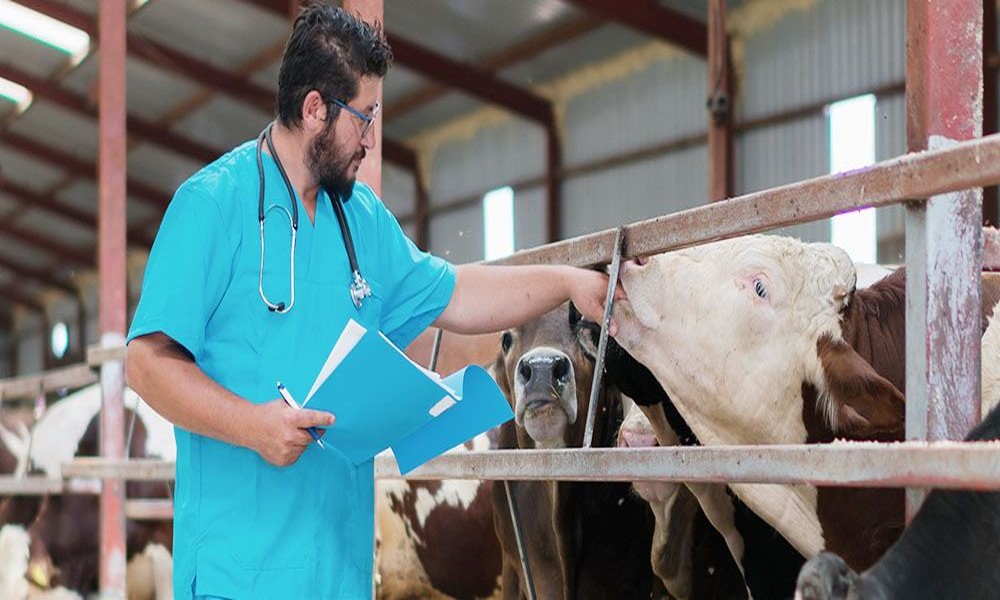
You might have a sense that veterinary clinics matter for more than vaccines and nail trims, but it is hard to see the full picture when you are just trying to keep your own pets healthy. Maybe you have wondered why your Winnipeg, MB veterinarian sometimes asks about travel history, wildlife exposure, or even your family’s health. It can feel a little unsettling, as if there is a bigger story going on that no one has really explained to you.end
The truth is, there is a direct connection between veterinary clinics and public health. What happens in the exam room with your dog, cat, or backyard chickens can affect your household, your neighborhood, and sometimes your entire community. That can sound heavy. It is also reassuring, because it means you have powerful partners watching out for you, often in ways you do not see.
In simple terms, veterinary clinics are on the front line of disease prevention, early warning systems for emerging threats, and quiet guardians of safe food and water. You do not need a medical degree to understand how this works. You just need a clear picture of why your vet’s work matters far beyond your pet’s chart.
Why do veterinary clinics matter so much for community health?
It often starts with something small. A dog comes in with a strange cough. A cat has a sudden fever that does not match the usual patterns. A backyard flock has several birds die within a few days. To the pet owner, it is a stressful, personal crisis. To a trained veterinary team, it might also be a signal that something contagious is moving through the area.
Many of the diseases that worry public health experts most are shared between animals and people. These are called zoonotic diseases. The CDC offers a clear overview of what zoonotic diseases are and why they matter on its page about diseases that spread between animals and humans. Rabies, some kinds of influenza, certain parasites, and even some foodborne infections fall into this category.
Because of this overlap, veterinary clinics are not just caring for pets. They are quietly protecting families. When your vet recommends a rabies vaccine, flea and tick prevention, or deworming, it is not only about your animal’s comfort. It is also about stopping germs before they can reach the people who live, sleep, and play alongside that animal.
So where does that leave you and your everyday decisions about pet care and safety at home.
When the problem grows: from one sick pet to a community concern
Problems often begin as isolated worries. Your dog gets sick after a trip to the park. Your child develops a rash and you wonder if the new kitten brought something home. Financial stress can creep in as you weigh the cost of testing and treatment. It is easy to think, “Maybe I will wait and see.”
That delay can be risky. Some infections spread quickly from animals to people, or from one household to the next. For example, if a vet notices an unusual cluster of coughing dogs, they may alert local authorities or professional networks. This can lead to faster public health responses, warnings to other clinics, and guidance to pet owners about safe behavior in parks or boarding facilities.
On a larger scale, veterinary clinics are part of what many agencies call the One Health approach. This is the idea that the health of people, animals, and our environment are tightly linked. The CDC describes this connection clearly on its main One Health information page. Your local vet might seem far removed from national health strategies, but they are often feeding information into these broader systems.
There can also be emotional challenges. When a vet recommends reporting a certain disease, limiting contact with your pet for a time, or changing how you handle food and waste, it can feel scary and even guilt inducing. You might worry about stigma, or about what neighbors will think if they hear that public health officials are involved.
This is where the solution side begins. A good veterinary clinic does not just treat the animal. The team also guides you through what to expect, explains why reporting is important, and helps you understand how to protect yourself and others without panic.
How exactly do veterinary clinics support public health behind the scenes?
To make this more concrete, it can help to look at how everyday clinic work connects to larger public health systems. Many clinics:
- Report certain diseases to public health authorities so patterns can be tracked.
- Advise on safe handling of animals, food, and waste, especially for children, pregnant people, and those with weak immune systems.
- Support safe food production by caring for livestock and working with farmers.
- Help detect environmental problems when animals are exposed to toxins or contaminated water before people are.
Public health agencies rely on this quiet flow of information. The CDC describes how public health programs partner with animal health experts on its page about One Health and public health practice. Your vet may not talk about these connections at every appointment, but they are part of the daily reality of modern veterinary medicine.
The US Food and Drug Administration also recognizes this shared responsibility. The FDA’s Center for Veterinary Medicine explains how it uses a One Health approach to protect people, animals, and the environment in its overview of One Health in veterinary regulation. That includes how medications are approved, how food-producing animals are treated, and how antimicrobial resistance is monitored.
So how do your own choices about a veterinary clinic and routine pet care fit into this bigger picture.
Comparing everyday choices that affect animal and human health
Even small decisions, like whether to skip a vaccine or buy unchecked medication online, can influence both your pet’s health and public health. The table below compares some common choices and their impact.
| Choice | Short term impact on your pet | Long term impact on your family & community |
|---|---|---|
| Regular vet visits with core vaccines and parasite prevention | Lower risk of serious illness, earlier detection of problems | Reduced spread of zoonotic diseases, stronger community disease control |
| Skipping checkups and vaccines to save money | Higher risk of preventable disease, emergency visits more likely | Greater chance of disease transmission and outbreaks, higher overall costs for everyone |
| Using medications prescribed and monitored by your vet | Safer dosing, fewer side effects, treatment tailored to your pet | Lower risk of drug resistance, better surveillance of medication safety |
| Buying unregulated or shared medications without guidance | Risk of toxicity, treatment failure, or missed diagnosis | Potential contribution to antibiotic resistance and untracked adverse effects |
| Calling your vet when you notice unusual signs or sudden clusters of illness | Faster help for your own animals | Earlier detection of outbreaks and environmental hazards that could affect people |
When you see it laid out like this, the connection between animal and human health becomes much clearer. So what can you do right now to use this knowledge in a practical way.
Three concrete steps you can take with your veterinary clinic today
1. Ask your vet how your pet’s care protects your family
At your next appointment, ask one simple question. “Is there anything about my pet’s health that could affect my family’s health.” This opens the door for your vet to talk about zoonotic risks, safe handling, and any special precautions for children, older adults, or anyone with a weak immune system in your home.
2. Keep vaccines and parasite control truly up to date
Instead of viewing vaccines or parasite preventives as optional extras, think of them as shared protection for your whole household. Work with your vet to set a clear schedule and ask what each product is preventing. Understanding the “why” often makes it easier to commit, even when you are watching your budget closely.
3. Call early when something feels “off”
If you notice unusual symptoms, sudden changes in behavior, or several animals becoming sick around the same time, contact your veterinary clinic sooner rather than later. Early calls give the clinic a chance to spot patterns and guide you on safe steps at home, such as isolation, hygiene, or when to seek human medical care as well.
Where this leaves you and your relationship with your vet
You do not need to carry the weight of public health on your own shoulders. You simply need to recognize that your choice of veterinary public health partner matters more than you might have realized. Every time you walk through that clinic door, you are not only caring for a pet you love. You are also taking a quiet, powerful step to protect your family and your community.
If you have been putting off a visit, or if you have questions about how your pet’s care might affect your own health, reach out to your trusted veterinary clinic and start the conversation. A few honest questions today can bring you peace of mind and stronger protection for the people and animals you care about most.
