
You brush their teeth, you watch the sugar, and then you notice something that does not sit right. Maybe your child says cold juice hurts. Maybe the teeth look a little more yellow than they used to. Maybe there is bad breath that keeps coming back, even after brushing. That kind of change can leave you second guessing yourself, especially when your child is too young to explain what feels different. If you are worried and need an emergency pediatric dentist in Riverside, CA, it may help to have your child checked sooner rather than later.
Acid exposure can wear down enamel, the hard outer layer that protects teeth. Once that process starts, the damage does not always look dramatic at first. It can show up as sensitivity, color changes, rough edges, or cavities that seem to appear faster than expected. Sometimes the source is food and drinks. Sometimes it is frequent vomiting or reflux. If you suspect acid damage to kids’ teeth, you are not overreacting. Catching it early gives a pediatric dentist more room to protect what is still healthy.
Acid erosion in children can start with small changes
Acid weakens enamel by pulling minerals out of the tooth surface. The tooth decay process starts when acids in the mouth break down enamel faster than it can repair itself. In children, that can happen from frequent sipping of juice, sports drinks, soda, sour candy, or from stomach acid reaching the mouth during reflux episodes.
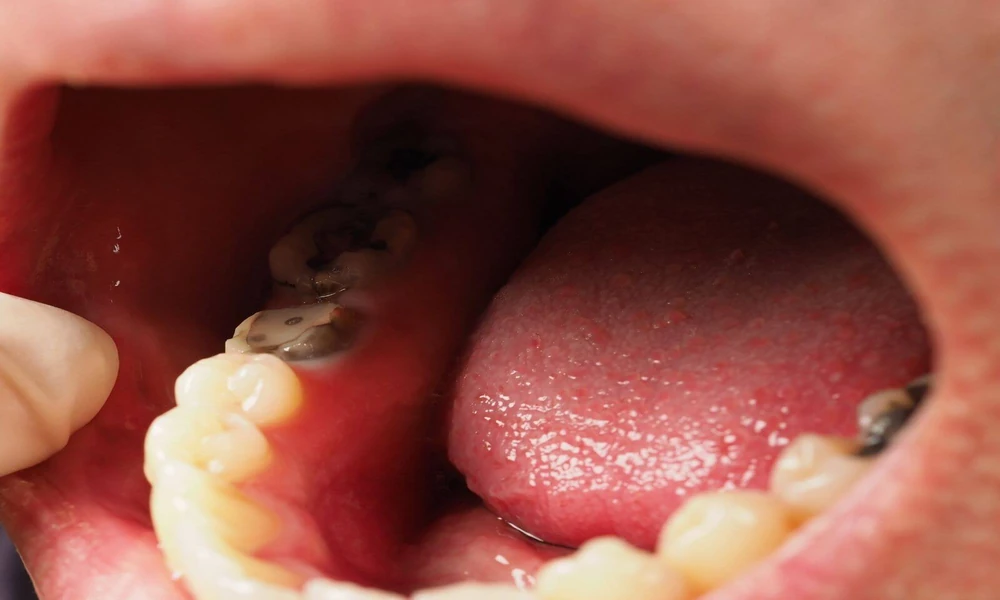
Parents often expect a cavity to be a dark hole they can see right away. Acid wear is less obvious. It may begin as a smooth, shiny area where the tooth looks thinner. It may show up on the back teeth first, where chewing surfaces take more stress, or on the inside surfaces if reflux is part of the picture. That is why signs of enamel erosion in children are easy to miss until your child starts feeling pain.
Six signs acid exposure may be affecting a child’s teeth
1. Tooth sensitivity. Your child flinches when eating ice cream, drinking something cold, or brushing certain spots. Enamel protects the softer inner layers of the tooth. When acid wears enamel down, those layers react faster to temperature and touch.
2. Teeth look more yellow. A yellower tone does not always mean poor brushing. As enamel thins, the dentin underneath shows through more clearly. Dentin has a naturally warmer color, so teeth can appear darker or more yellow even when they are clean.
3. Rounded or thinning edges. Front teeth may lose their crisp edges and start to look smooth or slightly see through. Back teeth can look flattened. This kind of wear matters because once tooth structure is gone, it does not grow back.
4. Small dents, cupping, or shiny patches. Acid erosion can create shallow dips on chewing surfaces. Some parents notice areas that look extra smooth or glossy, almost polished. That surface change is a warning sign, not a cosmetic quirk.
5. More cavities than expected. Acid weakens enamel and makes it easier for decay to move in. If your child gets cavities despite decent brushing habits, there may be more going on than missed spots. Daily habits and acid exposure often work together.
6. Ongoing bad breath or signs of reflux. If your child has sour breath, complains of a burning throat, coughs at night, or says food comes back up, stomach acid may be reaching the mouth. Reflux in children can affect more than the stomach. It can quietly damage teeth over time.
Pediatric dentist evaluation helps separate erosion from everyday wear
A child can grind teeth, brush too hard, snack often, and have reflux all at once. That overlap is why guessing at home usually leads to delay. A pediatric dentist looks at where the wear is happening, how fast it seems to be progressing, and whether there are patterns that point to dietary acids, stomach acid, or decay.
You may be wondering if this will pass once your child switches toothpaste or cuts back on juice. Sometimes small habit changes help a lot. Sometimes the enamel is already thin enough that the tooth needs treatment, fluoride support, or monitoring. If reflux is involved, dental care and medical care often need to work side by side.
Home prevention and professional care serve different roles
| Concern | What you can do at home | What a pediatric dentist can do |
|---|---|---|
| Frequent acid exposure from drinks | Limit juice and soda, offer water, avoid constant sipping, wait before brushing after acidic drinks | Check for erosion patterns, apply fluoride treatments, recommend enamel protection strategies |
| Possible reflux related enamel wear | Track symptoms like sour breath, night cough, or regurgitation, speak with your child’s doctor | Document dental changes, monitor progression, coordinate findings that support medical follow up |
| Sensitivity or pain | Use a soft brush, avoid very cold and acidic foods until evaluated | Identify exposed areas, treat decay if present, protect weakened teeth |
| Cavity prevention | Brush twice daily with fluoride toothpaste and follow oral health tips for children | Provide cleanings, sealants when appropriate, and a prevention plan based on your child’s risk |
Three steps you can take right away
Track the pattern. Write down when your child complains about pain, what they were eating or drinking, and whether you notice reflux symptoms, bad breath, or night coughing. Patterns help a dentist or doctor connect the dots faster.
Change how acids hit the teeth. Cut down on frequent sipping of acidic drinks and offer water after juice or sports drinks. If your child has just vomited or had reflux, rinse with water first. Do not brush right away because softened enamel can wear down more easily.
Schedule a pediatric dental visit. If you are seeing any of these six signs, do not wait for a visible cavity. A pediatric dentist can spot early enamel loss before it turns into deeper damage. That early visit often means simpler treatment and less discomfort for your child.
Early attention protects your child’s smile
You are not expected to catch every dental change the moment it starts. You are paying attention, and that matters. Children’s tooth erosion signs can be subtle, but they are easier to manage when they are found early. If your child has sensitivity, yellowing, unusual wear, or possible reflux symptoms, schedule a visit with a pediatric dentist and get a clear answer before the problem grows.
