
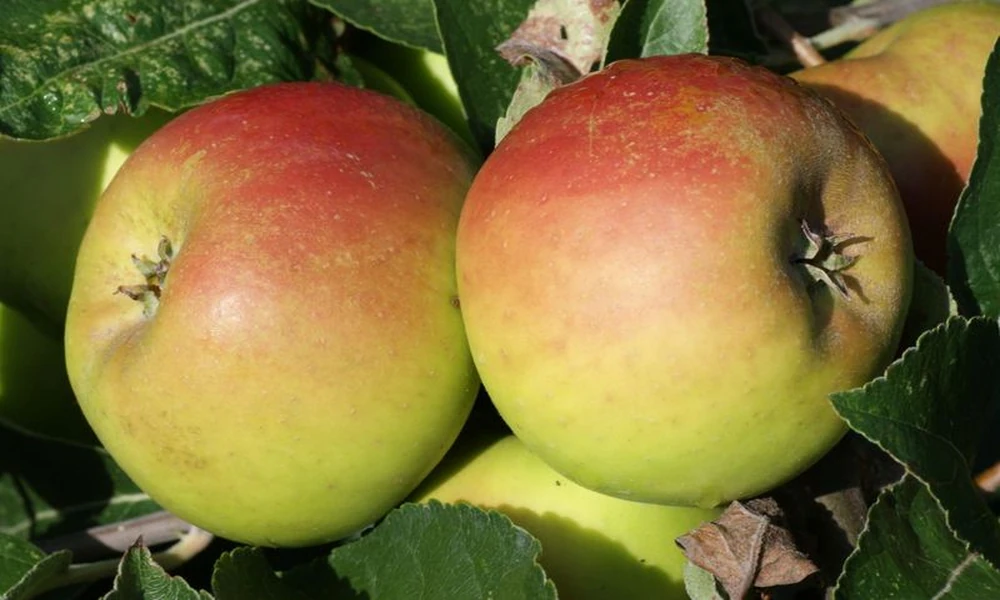
There is a particular beauty to a bowl of russet apples. Against the polished reds and greens, their skins look almost like another material: bronze, fine netting, sometimes a dry surface that recalls suede. That appearance invites a certain idea of the fruit, usually something old, small and intensely flavoured. The catalogues of British fruit-tree suppliers tell a more varied story. They contain large russets and tiny ones, established favourites and comparatively recent introductions, apples described as honeyed and others with a sharper aromatic edge. Russeting gives this group its visible connection; the pleasures beneath the skin remain individual. Choosing a tree begins to feel less like selecting a type of apple and more like discovering which particular fruit deserves to return to the table each autumn.
Reading the cultivar descriptions closely
The suppliers in this guide have named russets in their catalogues, with enough information about the fruit or the tree to support a considered enquiry. The sequence begins with contrasting cultivar choices and then explores different routes to obtaining them, including specialist nurseries, online retailers and suppliers whose offers require direct contact. Descriptions of texture and flavour are attributed to the published accounts. They are invitations to investigate, with none of the authority of a comparative tasting claimed for this list.
Practical details remain attached to that investigation. Rootstock influences the tree’s eventual scale, and the available form determines how much shaping the gardener undertakes. Pollination arrangements need checking for the chosen cultivar. With a less commonly offered russet, availability can be a conversation rather than an immediate online transaction. These considerations belong to the pleasure of choosing well: they connect an imagined apple with a real place in the garden, where its tree will occupy much longer than the fruit itself spends in a bowl.
Top 10 russet apple tree suppliers for UK gardens
1. Chris Bowers & Sons
Princesse gives the russet selection among the apple trees for sale at Chris Bowers & Sons an expansive character for UK gardeners. The published description is of large, pale golden-brown fruit, rich and nutty in flavour, with a crisp texture. There is considerable appetite in that account. The attraction lies as much in the substantial apple and the first bite as in the colour of its skin.
A russet chosen for eating at the table merits precisely that sort of attention. Size affects the experience of an apple; so does the difference between a tender flesh and a crisp one. Princesse enters the discussion through those qualities, while Egremont supplies a familiar reference in the nursery’s wider apple guide. Someone who already enjoys Egremont has a basis for considering whether the described character of Princesse offers another pleasure worth growing.
The catalogue presents Princesse as an addition to the range. That establishes its place in this supplier’s offer, without assigning it a breeding date. The name and the fruit description are the sound foundations for the enquiry. From there, the choice of young tree and rootstock brings the apple into the proportions of the garden. Chris Bowers supplies the mainland market, with collection by arrangement for those making a local purchase. A large russet fruit can belong to a carefully chosen tree; its presence at the table need not dictate an oversized planting.
2. Keepers Nursery
Herefordshire Russet complicates the assumption that a brown apple must be an old apple. Keepers records its release in Kent in 2003 and describes a Cox-like aroma under golden russeting. The combination has an appealing continuity: a familiar aromatic reference expressed through a comparatively recent cultivar. It will interest a gardener drawn to russets through flavour, regardless of their age. The available rootstocks include M9, M26 and MM106, placing the same fruit within several possible garden scales. Keepers lists it as partially self-fertile and explains the benefit of a companion. That detail belongs beside its pedigree and aroma, because the pleasure of an interesting cultivar depends on giving its tree the conditions in which to bear fruit.
3. R.V. Roger
Wheeler’s Russet and Aromatic Russet read like two different temperaments in R.V. Roger’s descriptions. Wheeler’s is sugary, rich and aromatic. Aromatic is firm and sweet-sharp, described as more intense than Egremont, with a later suggestion of lemon. The common russet skin holds together a group within which those distinctions still matter greatly.
The Pickering nursery’s seasonal offers distinguish tree forms, including maiden and bush material for Aromatic. A gardener attracted by a particular description can therefore pursue the fruit and the form together. The interest here is the opportunity to move beyond a general liking for russets towards a more articulate preference: richness, perhaps, or a sharper flavour whose character changes as the fruit develops. Neither description cancels the other. They open different possibilities for the same autumn table.
4. Adam’s Apples
Brownlees Russet appears as a named dessert apple in the Adam’s Apples catalogue. For a reader accustomed to seeing Egremont dominate the russet conversation, the name introduces another line of curiosity.
That curiosity benefits from an encounter with the fruit if one can be found at an apple event or through a grower. Nursery descriptions begin an appreciation, but a preference for texture is intensely personal. The long life of a fruit tree makes the prospect of tasting before planting especially attractive.
The Devon nursery takes seasonal orders for delivery or arranged collection. Its winter buying cycle gives an enquiry time to develop around the available tree form, the garden and the fruit itself. Brownlees need not acquire extravagant claims to justify attention. A clearly identified alternative, obtainable through a specialist apple catalogue, is already a worthwhile addition to the search.
5. Bernwode Fruit Trees
Pitmaston Pine Apple offers a different scale of delight. Bernwode describes small golden-russet fruit with crisp, juicy flesh and flavours recalling pineapple and honey. The description makes smallness feel intrinsic to the apple’s appeal. A fruit can be memorable without filling the hand.
Bernwode also supplies a little of the argument that makes old fruit literature engaging. Its account distinguishes Pitmaston Pine Apple from Pine Golden Pippin, another apple discussed on the page, and disputes an earlier writer’s pineapple description of the latter. The names therefore require close reading. Their resemblance does not make the fruits interchangeable, and an order should preserve the full cultivar identity that first attracted attention.
This specialist route requires a planned collection. Bernwode supplies container-grown trees from Ludgershall in Buckinghamshire and has suspended delivery. Availability and collection arrangements should be settled before travelling. For a gardener within reach, the journey offers access to a small russet with an unusually vivid published description, through a supplier attentive to the distinctions between similar-sounding names.
6. Orange Pippin Trees
A dedicated russet section creates a welcome pause in a large apple catalogue. Orange Pippin brings the named varieties together, allowing their descriptions and available tree options to be considered in company. At this point the search can become more exact. Two apples may sound equally appealing, while only one is offered in the rootstock and form required for the intended planting.
Orange Pippin operates as a retailer working with growers; its pot-grown trees are produced to its specification by Frank P Matthews. The ordering route is therefore part of the comparison, alongside the cultivar. Different shopfronts can lead to trees from the same producer. What matters to the gardener is the particular specification available through that shopfront and its delivery arrangements, especially where trained trees have a more restricted service area.
7. Ashridge Nurseries
Familiarity can be a considerable recommendation. For a gardener who knows and enjoys Egremont Russet, Ashridge offers the prospect of carrying that preference directly into a tree purchase, with MM106 and different stages of development represented in its range.
The creative question then concerns shape. A maiden purchased for training as a cordon or espalier leaves the formation of the framework to its owner. A developed form begins further along that path. Ashridge’s young training material should be understood at its supplied stage, with the eventual tiers or outline still to be made. Once the fruit is settled, attention can move to the space it will occupy: a known apple acquiring a particular place and shape in the garden.
8. The Heritage Fruit Tree Company
Aromatic, Brownlees, Rosemary and Egremont appear among the russets in The Heritage Fruit Tree Company’s published catalogue. It is a list that rewards an enquiry, particularly where two descriptions appeal for different reasons. The catalogue is labelled 2023/24 and separates reserved collection material from winter mail-order trees, so it functions as a reference to the range rather than a current inventory. The company invites contact to establish what can now be supplied. A preference for a certain texture, the space available, or the name of an apple already enjoyed will give that exchange substance. Such correspondence has its own pace, suited to a fruit choice that deserves more consideration than the immediate availability of a checkout button.
9. Blackmoor Nurseries
Brownlees Russet and Ashmeads Kernel provide two named lines of enquiry at Blackmoor. Rootstocks and tree forms are distinguished in its catalogue, allowing interest in the fruit to be carried through to the material actually being bought.
The difference between a young tree and a more developed form becomes quite tangible at this stage. An established outline may matter in a garden where the planting is immediately visible; smaller material gives its owner a longer part in making that outline. Those are choices about the tree’s place, even when its apples will share the same cultivar name.
Blackmoor supplies mainland orders subject to destination and size restrictions and offers collection arranged in advance. Its site is a production nursery rather than a browsing garden centre. The route therefore favours a reasonably precise order, with the variety, roots and form settled before collection or dispatch.
10. Otter Farm
Egremont sits among a wider company of edible plants at Otter Farm. The MM106 offer is described as reaching roughly four to four-and-a-half metres in suitable conditions, an indication of the presence this familiar russet can acquire among a garden’s other fruit.
That setting gives the search a satisfying final perspective. An apple tree belongs both to the annual appetite for its crop and to the garden throughout the rest of the year. Its room, its shape and the pleasure of eating its fruit all enter the choice. Russet skin may be the quality that first attracts attention across a fruit bowl, but the lasting preference lies beneath it: in the crispness, the fragrance, the character of an apple whose return will be welcome each autumn.
Source note: Published cultivar accounts informed the descriptions of russet character. Supplier catalogues and ordering pages established the tree offers and buying arrangements; the dated Heritage catalogue is treated as a range reference. Flavour descriptions remain attributed to their publishers.
