
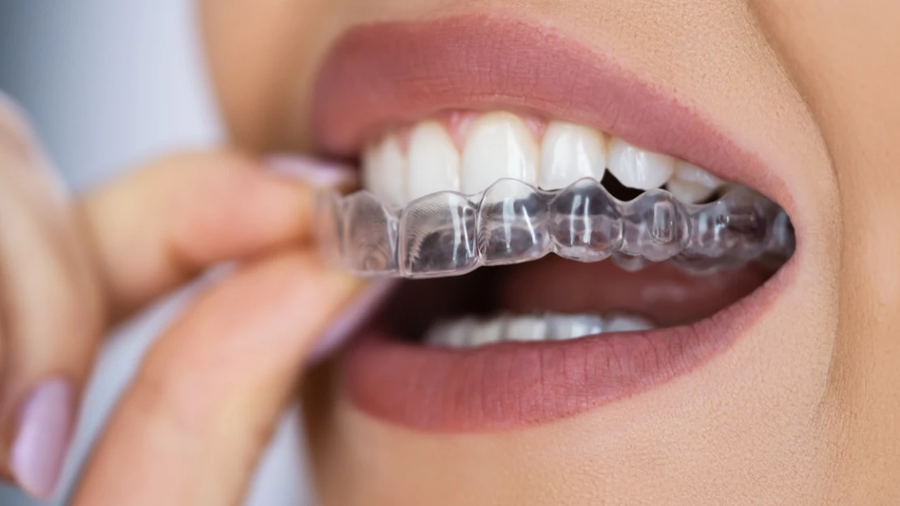
You might be feeling stuck between wanting straighter teeth and not wanting your life turned upside down by metal brackets, food getting caught, and awkward photos. Maybe you have been thinking about orthodontic treatment for years, yet every time you picture yourself with traditional braces or consider options like teeth caps in Wichita falls, you quietly decide to wait a little longer.end
That tension is very real. You want a confident smile, yet you also want to feel like yourself at work, on dates, in photos, and around your family. Because of this, you might be wondering whether Invisalign or other clear aligners can actually fit your life instead of taking it over.
Here is the short version. Clear aligner treatment, such as Invisalign teeth straightening, can offer five major lifestyle benefits. It can be more discreet, more flexible with food, easier to clean, kinder to your schedule, and often more comfortable day to day. It is still real orthodontic treatment, not a cosmetic shortcut, which means you need the guidance of a general dentist or orthodontist who understands your mouth as a whole.
So where does that leave you? It means you have options. You do not have to choose between your smile goals and your lifestyle. You can look at the tradeoffs with clear eyes and decide what truly fits you.
Why does the way you straighten your teeth matter so much to daily life?
On paper, straightening teeth sounds simple. Teeth are crooked. Braces or aligners move them. Problem solved. In real life, the process touches almost everything you do. How you eat. How you speak. How you brush and floss. How you feel in front of other people.
Think about a few common worries. You might worry that metal braces will make you feel self conscious in front of clients or during presentations. If you are a teenager, you might worry about school photos or feeling different from your friends. If you are a parent, you might wonder how many appointments you will need to juggle with work and childcare.
Traditional braces are effective, but they are not invisible. They stay on your teeth 24 hours a day and they can make brushing and flossing more demanding. Certain foods are suddenly off limits. Sticky snacks. Hard crusty bread. Chewy candies. Even biting into a whole apple can be a problem.
Because of all this, many people quietly choose to live with a smile they do not love instead of going through treatment that feels like a full time job. That is where clear aligner therapy enters the picture as a gentler option for everyday life.
What are the 5 lifestyle benefits of choosing Invisalign® or other clear aligners?
Clear aligners are custom made trays that fit over your teeth and gradually move them. They are part of what experts call clear aligner orthodontic therapy. If you are curious about the science behind it, you can read more in this Harvard overview of clear aligner orthodontic therapy.
From a lifestyle point of view, five benefits tend to stand out.
1. Subtle appearance that protects your confidence
Clear aligners are just that. Clear. When they are in place, most people will not notice them unless they are standing very close. This can make a big difference if you give presentations, meet clients, work in a public facing role, or simply prefer to keep personal health choices private.
Instead of feeling like your braces enter the room before you do, you can go about your life and know that your treatment is working quietly in the background.
2. Freedom to eat the foods you love
Because aligners are removable, you take them out to eat and drink anything other than water. That means no official “do not eat” list. You can still enjoy popcorn at the movies, crunchy vegetables, crusty bread, or the occasional chewy treat, as long as you brush before putting your aligners back in.
This does not just protect your diet. It protects your social life. You can go out to dinner, enjoy a celebration meal, or grab a quick bite between meetings without worrying about food stuck in brackets or broken wires.
3. Easier brushing and flossing
Traditional braces create more surfaces and corners for plaque to hide. That can make cleaning your teeth feel like a project every single night. With aligners, you remove the trays and clean your teeth almost exactly as you do now. Brush. Floss. Rinse. Then clean the aligner and put it back in.
This can be especially important if you already struggle with gum sensitivity or a history of cavities. A general dentist who offers clear aligner orthodontics can help you balance your alignment goals with the long term health of your teeth and gums.
4. Fewer interruptions to your schedule
Traditional braces often need more frequent in office adjustments. Aligners are planned in advance using digital models, so many visits are shorter and there can be fewer emergency visits for broken brackets or poking wires.
If you have a busy job, children with full calendars, or a long commute, fewer chair time hours can feel like a real relief. You still need consistent check ins so your dentist can watch your progress. The difference is that your treatment is often more predictable, and that can make planning your life easier.
5. Comfort and control during treatment
Every orthodontic treatment involves some pressure as teeth move. Many patients describe clear aligners as smoother and gentler on the cheeks and lips compared with brackets and wires. If a particular tray edge feels rough, your dentist can often adjust it easily.
There is also a sense of control that comes from being able to remove the aligners briefly for a special photo, a big speech, or a short break when you need it. You still need to wear them the recommended 20 to 22 hours a day, yet that small bit of flexibility can help you stay committed for the long run.
How do Invisalign® and braces compare in everyday life?
So how do these benefits stack up when you look at your daily routine as a whole? The table below gives a simple side by side view of common lifestyle questions people ask when choosing between clear aligners and traditional braces.
| Everyday concern | Clear aligners (Invisalign®) | Traditional metal braces |
| How noticeable is it at work or school? | Clear and usually hard to see in photos or conversation | Visible brackets and wires in most situations |
| Can I eat my usual foods? | Aligners removed to eat. No list of banned foods, but brushing after meals is important. | Certain hard, sticky, or chewy foods should be avoided to prevent damage. |
| Brushing and flossing | Aligners removed. Routine similar to normal brushing and flossing. | More challenging. Requires careful cleaning around brackets and wires. |
| Office visits | Planned check ins. Fewer emergencies from broken parts. | Regular adjustments plus possible visits for broken brackets or wires. |
| Comfort of lips and cheeks | Smooth plastic trays. Fewer sharp edges. | Metal parts can rub or irritate soft tissues. |
Every mouth is different, so this table is a starting point, not a final answer. A general dentist who provides clear aligner treatment can look at your bite, your bone support, and your lifestyle to help you decide which path makes sense. Academic centers like UCSF Dentistry’s braces and Invisalign information can also help you understand how both options are used in real patient care.
What should you do next if you are considering Invisalign®?
Knowing the benefits is helpful, yet you might still be wondering how to move from “thinking about it” to actually taking a step. A calm, practical plan can make the choice feel less overwhelming.
1. Schedule a consultation with a trusted general dentist
Start with an in person evaluation. Ask specifically whether your case is a good fit for aligners or whether braces would be more effective. Bring your questions about lifestyle, not just your questions about teeth. How will this affect work? Travel? Sports? The right dentist will welcome those questions.
2. Ask for a clear, written treatment and cost overview
Before you decide, ask for a simple summary that covers treatment length, expected number of aligners, visit frequency, and total cost. If you have dental insurance, ask how much it may cover. This can prevent surprises and help you compare options with a clear head.
3. Think honestly about your habits and commitment
Aligners only work if they are worn as directed. If you tend to misplace small items or you know you will be tempted to take them out often, talk about that with your dentist. Together you can decide whether removable aligners or fixed braces match your personality and routines better. There is no shame in choosing the option that you are more likely to stick with.
Finding a smile solution that supports your whole life
Choosing how to straighten your teeth is not just a cosmetic choice. It is a quality of life decision. You deserve a plan that respects your schedule, your comfort, and your confidence, not only your X rays.
Clear aligners like Invisalign can offer real lifestyle advantages, especially when guided by a thoughtful general dentist who sees the bigger picture of your oral health. With the right support, you can move toward a smile that feels natural and confident without feeling like you have put your life on hold to get there.
If you feel ready, your next step is simple. Reach out to a trusted dental office, ask about Invisalign and other clear aligner options, and start a conversation about what would work best for you right now.
