
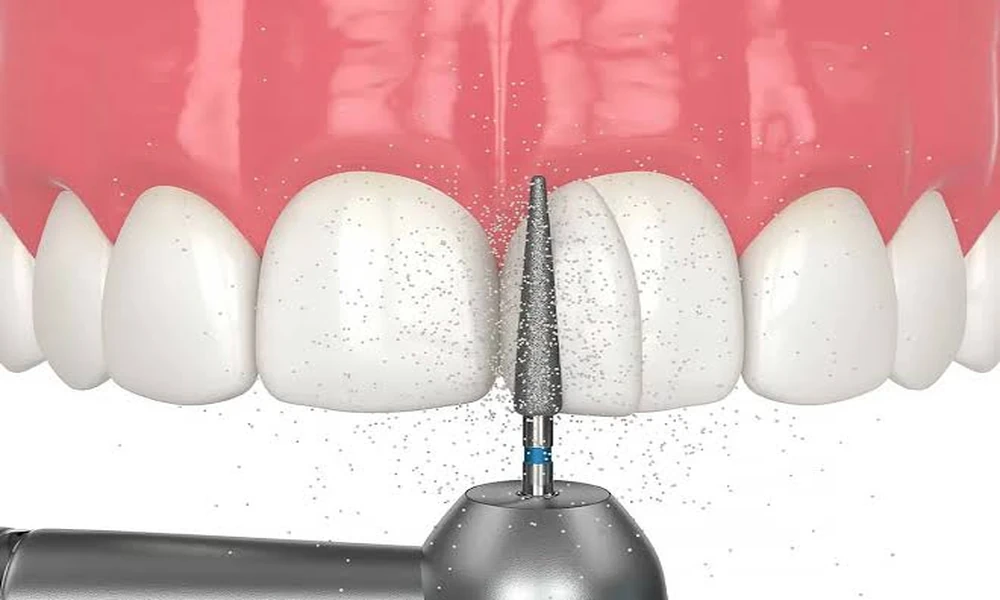
You see it in photos first. The front teeth that used to look even now look shorter, thin at the edges, or chipped in a way your eye goes straight to. Sometimes it starts with one small rough spot. Sometimes you wake up, run your tongue across your teeth, and realize the edge feels flat. That change can feel bigger than it sounds because front teeth show every time you talk, laugh, or eat. For those seeking comprehensive dental care for families in Castroville, TX, these changes can be an important reason to schedule an evaluation.
Flattened or chipped edges often come from grinding, clenching, minor trauma, or years of wear. According to the National Institute of Dental and Craniofacial Research, bruxism can wear down tooth surfaces and strain the mouth over time. If the damage is limited to the outer part of the tooth and the tooth is still healthy, dental bonding can often rebuild the shape in one visit. It is not the right fix for every tooth, but it is a common, conservative way a family and cosmetic dentist can restore a natural smile without removing much tooth structure.
Dental bonding works well when front tooth edge damage is small to moderate
Bonding uses a tooth colored resin that is shaped directly onto the tooth, then hardened and polished. For flattened front teeth, that matters because the goal is usually simple. You want the smile to look balanced again, the edges to feel smooth, and the repair to blend in when you speak. If the chip is small, the edge is uneven, or the teeth have mild wear that makes them look shortened, tooth bonding for chipped front teeth can be a practical option.
The appeal is easy to understand. You do not want a huge procedure for a problem that may look small on paper but feels very personal. Bonding is often less invasive than veneers or crowns, and it can usually be completed faster. That said, the reason the edge flattened matters just as much as the shape itself. If you grind at night, bite pens, chew ice, or had a fall that cracked deeper into the tooth, the repair plan changes.
This is where people get stuck. They want the chip fixed, but they also worry about spending money on a repair that breaks again. That concern is fair. If the bite is heavy or the enamel loss is advanced, bonding alone may not last as well unless the underlying cause is addressed. A night guard, bite adjustment, or a different restoration may be part of the plan.
Flattened front teeth often point to wear, not just one bad moment
A chipped edge after biting a fork or taking a hit during sports is easy to trace. Flattened edges are different. They often build slowly from grinding and clenching, and many people do it in their sleep. You may also notice jaw tension, morning headaches, or teeth that look more square than they used to. The broader category of tooth disorders includes wear, fractures, and enamel damage, all of which can change whether bonding is enough or whether the tooth needs more support.
If the edge is only worn down, bonding may rebuild lost length and soften the older, tired look that wear creates. If there is a crack running into the tooth, repeated breakage, or decay, a dentist may recommend something stronger. In some cases, if a tooth is knocked out or badly injured, immediate action matters. Recent reporting from the University of Florida highlights how fast response can improve the chances of saving an injured tooth. Bonding helps many cosmetic edge problems, but trauma can involve much more than appearance.
Dental bonding versus veneers and crowns comes down to damage, bite, and goals
You may hear three options for rebuilding front edges. Bonding adds material to the tooth. Veneers cover the front surface with a custom shell. Crowns cover the whole tooth. The best choice depends on how much tooth is left, how strong your bite is, and how long you want the result to hold up.
| Option | Best for | Tooth change | Typical strength | Appearance |
|---|---|---|---|---|
| Dental bonding | Small to moderate chips, mild flattening, edge reshaping | Usually minimal removal | Good for lighter wear cases, less durable than porcelain | Natural when well matched and polished |
| Veneers | Repeated edge wear, shape changes, broader cosmetic concerns | Usually some enamel removal | Stronger stain resistance and edge stability | Highly refined and consistent |
| Crowns | Large fractures, weak teeth, heavy structural damage | More tooth reduction | Strongest coverage for compromised teeth | Natural looking, but more extensive treatment |
Front tooth edge repair with bonding makes the most sense when the tooth is healthy, the damage is limited, and you want a conservative fix. If you have a history of breaking bonding or your front teeth hit hard when you close, porcelain may hold up better. A good exam looks at the smile and the bite together, because a pretty repair that keeps chipping is not really a solution.
Small details decide whether cosmetic dental bonding will last
The material matters, but habits matter too. Nail biting, chewing ice, opening packages with your teeth, and untreated grinding can all shorten the life of bonding. So can poor bite alignment. On the other hand, when the case is chosen well and the edges are protected, bonding can stay attractive for years.
Color is another detail people do not always expect. Bonding can be shaded to match your current teeth, but resin can stain over time more than porcelain. If you drink coffee, tea, or red wine often, or if you smoke, the polish and shade may need maintenance sooner. That does not mean bonding is a bad choice. It means the right choice is the one that fits how you actually live.
Three smart steps to take before fixing chipped or flattened front teeth
1. Pay attention to the pattern of wear. Look beyond the one tooth that bothers you. If several front teeth look shorter, the issue may be grinding instead of one isolated chip. Mention headaches, jaw soreness, and any old trauma at your visit.
2. Ask whether the tooth needs support or just reshaping. A simple cosmetic fix is great when the tooth is solid. If there is a crack, decay, or a bite problem, ask what will protect the repair from breaking again.
3. Protect the result after treatment. If your dentist recommends a night guard, use it. Avoid hard habits that stress the edges. Keep regular cleanings so small changes can be caught early before a quick repair turns into a larger one.
If your front teeth look worn, chipped, or shorter than they used to, you are not overreacting. Those small edge changes can affect comfort, confidence, and the way your whole smile reads. A family and cosmetic dentist can tell you whether bonding is enough, whether the wear points to grinding, and what will give you a result that looks natural and lasts. If you are ready to stop staring at that chipped edge and start fixing it, schedule a consultation and get a clear plan for your smile.
