
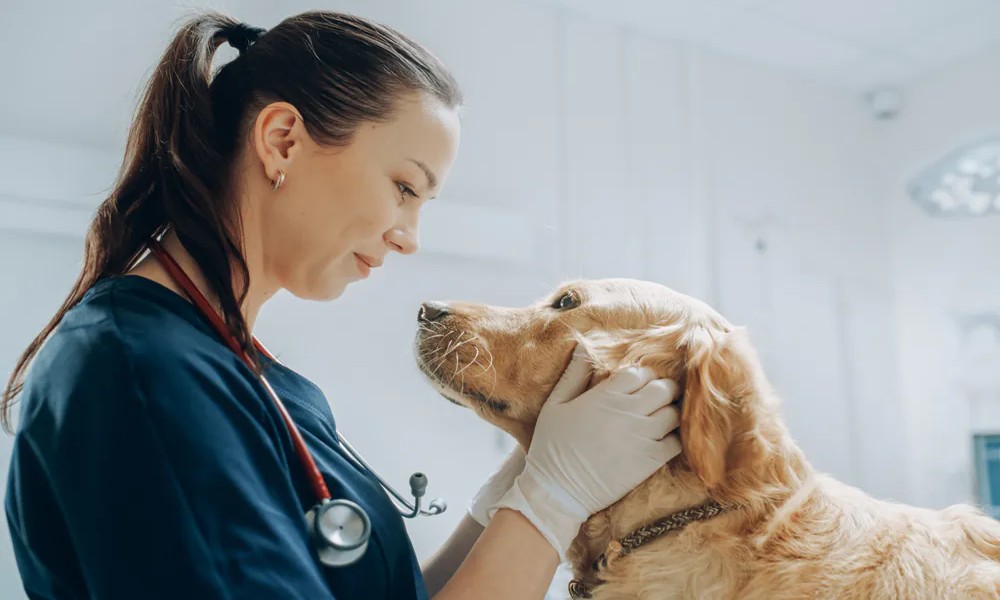
Your pet depends on you for safety, comfort, and steady care. You want to protect that trust. An animal hospital is not only for emergencies or vaccines. It can also guide your pet’s whole body health, mind, and daily life. When you visit an animal hospital in Beaumont, the team looks at how your pet eats, moves, sleeps, and behaves. They check teeth, skin, weight, and mood. They listen to your worries about pain, fear, or strange habits. Then they create a clear plan that fits your home and budget. This support can lower stress, prevent disease, and ease long term problems. It can also help you understand which treatments your pet truly needs. The result is a stronger bond, fewer crises, and a calmer home. The five ways below show how an animal hospital can support your pet’s full wellness.
1. Routine exams that catch problems early
Regular exams protect your pet from slow silent harm. You may not see small changes. A trained team can.
During a routine visit, staff often:
- Check weight and body shape
- Listen to heart and lungs
- Look at eyes, ears, skin, and coat
- Check teeth and gums
- Review eating, drinking, and bathroom habits
Early checks help find issues before they cause pain. They can reveal heart trouble, kidney strain, joint wear, or hidden mouth infection. You then choose clear next steps. You may change food, add simple home care, or plan tests.
Routine care also lowers stress. Your pet learns that the clinic is a safe place. Each visit becomes shorter and calmer. That makes future care easier on both of you.
2. Whole body nutrition and weight support
Food shapes every part of your pet’s life. It affects joints, teeth, energy, and mood. Extra weight increases risk of diabetes, arthritis, and some cancers. The American Veterinary Medical Association warns that even a few extra pounds can shorten life.
At an animal hospital, you get clear guidance. Staff can:
- Score your pet’s body condition by touch and sight
- Explain how many calories your pet needs each day
- Suggest foods that match age and health status
- Set a safe weight loss or gain plan
They also help with special needs. That includes kidney support diets, allergy plans, and joint support food. You leave with exact feeding amounts. You also learn which treats to use and which to skip.
Healthy weight check: simple signs to watch at home
|
Sign |
Healthy |
Too low |
Too high |
|---|---|---|---|
|
Ribs by touch |
Easy to feel with light pressure |
Ribs stick out |
Hard to feel under padding |
|
Waist from above |
Clear inward curve |
Sharp hourglass shape |
No waist at all |
|
Tummy from side |
Gentle tuck behind ribs |
Strong tuck and sharp bones |
Round belly hangs down |
Use these signs as a guide. Then confirm with your veterinary team. They can back up your view with facts and tests.
3. Pain relief and joint care for steady movement
Many pets hide pain. They slow down. They sleep more. They may lick or chew one spot. You might think they feel old. In truth they may hurt.
Animal hospitals use exams, lab work, and images to spot pain. They then build a plan that protects the whole body. It can include:
- Safe pain medicine
- Joint support and simple home exercises
- Weight control for less joint strain
- Changes to your home like rugs or ramps
Some clinics also offer rehab and controlled movement plans. These support healing after injury or surgery. They can also slow joint damage from long term disease.
When pain is under control, pets move with more ease. They play more and feel calmer. You also feel less guilt and fear, because you know you are not ignoring quiet suffering.
4. Behavior support for a peaceful home
Behavior problems can tear at your family. Biting, scratching, house soiling, or nonstop barking can feel like a storm. Many families give up pets due to behavior. This loss hurts children and adults.
Animal hospitals first rule out medical causes. Thyroid disease, pain, or brain issues can change how a pet acts. The Centers for Disease Control and Prevention note that healthy pets protect families from some infections and bites.
Once medical causes are clear, the team may:
- Teach you how to read your pet’s body language
- Suggest changes to daily routines
- Plan safe training steps for fear or aggression
- Discuss tools such as crates, gates, or toys
Some pets need medicine along with training. Staff explain risks and benefits in plain words. You choose what fits your values. You also get support when progress feels slow.
This shared work can turn chaos into peace. Your pet learns what to expect. You feel less shame and more control.
5. Long term wellness plans that grow with your pet
Your pet’s needs change with age. A puppy needs vaccines and house training. An adult pet needs weight checks and teeth care. A senior pet needs screening for cancer, organ strain, and memory change.
An animal hospital helps you plan for each stage. Many use wellness plans that group needed care into clear sets. These plans often cover:
This long view protects your budget. It also protects your heart. You are not left guessing about the next step. You know when to come back and what to expect.
Staff can also help you prepare for hard choices. That includes chronic disease, comfort care, and end of life plans. You do not face those moments alone. You walk in with a trusted team who knows your pet’s full story.
Taking the next step for your pet
Whole wellness is not a luxury. It is steady care over time. You watch your pet at home. The animal hospital studies signs that you cannot see. Together you build a clear path.
Start with one choice. Schedule a wellness exam. Bring your questions in writing. Share what keeps you awake at night. Then listen. From that visit you can shape food, movement, behavior, and comfort in ways that match your life. Your pet will feel safer. You will feel stronger.
