
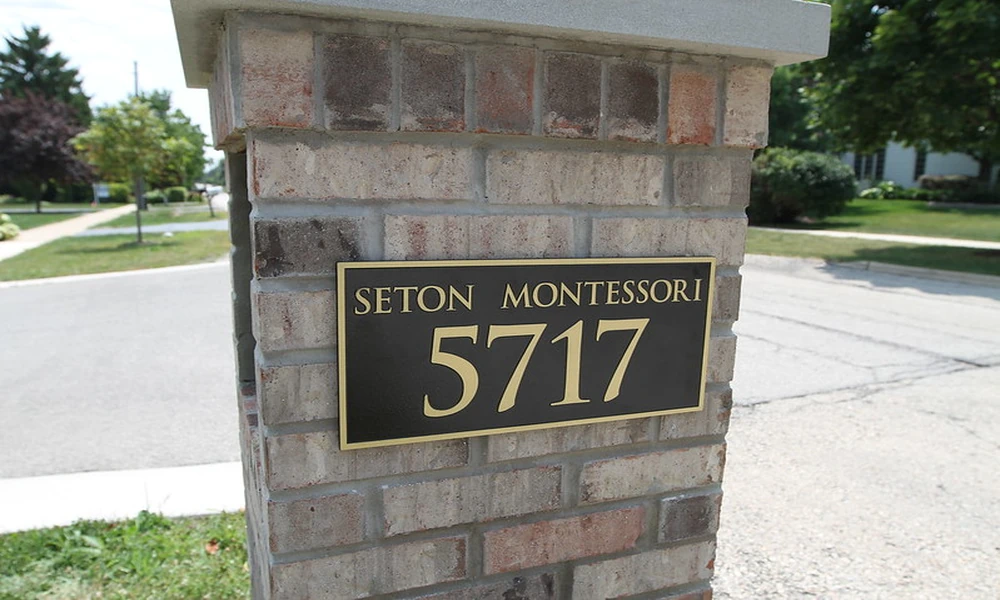
A well-chosen address sign does more than just display a house number. In the urban landscape, it shapes first impressions, aids navigation, and signals a building’s character before you even cross the threshold. Picking the right material for your custom address sign is crucial, not only for style, but for surviving the unique challenges of city living.
Understanding the Role of Address Signs in Urban Settings
Step onto a busy Toronto sidewalk and one thing is clear: clear, stylish signage is not just about aesthetics. It is a practical necessity. The visual impact of a custom address sign can transform a nondescript facade into a statement, instantly elevating curb appeal. That sharp set of numbers or a refined plaque draws the eye, guiding visitors and delivery drivers alike.
Yet function is equally vital. Urban environments demand high visibility for safety, accessibility, and efficient wayfinding. In cities with diverse architectural styles, including Toronto’s eclectic mix of Victorian, Annex, and modern homes, an address sign must also blend harmoniously with its surroundings. The goal? A sign that stands out for the right reasons, complementing the design rather than competing with it.
Key Material Options for Custom Address Signs
Not all materials are created equal when it comes to city streets. Metals like bronze, brass, aluminum, and stainless steel offer timeless appeal and exceptional durability. Bronze and brass bring classic warmth, while aluminum and stainless steel shine in modern settings that favor sleek lines and minimalism.
Natural stone, such as slate, makes a statement with its weight, texture, and longevity. It resists chipping and fading, making it a favorite for engraved plaques that need to withstand decades of exposure.
Acrylic opens up modern possibilities, a favorite for vivid colors, crisp lines, or layered effects. It is also weather-resistant and lightweight, which simplifies installation. For those drawn to warmth and texture, wood and composite alternatives can offer a unique look, though they typically require more protection in harsh climates.
Durability and Weather Resistance in Urban Climates
Urban weather is relentless. Sun, snow, sleet, and pollution take their toll on exterior hardware. Metals like aluminum and stainless steel resist rust and corrosion, while bronze and brass develop an attractive patina over time. Slate and stone shrug off freezing temperatures and heavy rains.
Some materials demand minimal care, while others benefit from protective finishes or coatings. For example, acrylic holds up well but can scratch if not handled properly; wood requires sealing or regular oiling to prevent warping or decay.
Aesthetic Considerations: Style Compatibility and Customization
Every building tells a story, and the best address signs are designed to echo that narrative. Minimalist numbers suit modern condos and townhomes, whereas ornate plaques, perhaps engraved or inlaid, feel right at home on a stately Victorian. Texture, finish, and color are all customizable, think brushed metal for industrial lofts or polished slate for historic row houses.
Design flexibility is key. Companies like Orthografica Toronto specialize in crafting signage that adapts to your architecture and personal taste, making sure the result complements brick, stone, wood, or contemporary cladding.
Installation Factors and Mounting Techniques
Urban buildings present a variety of facades: brick, stone, stucco, glass. Each requires a specific mounting method to ensure the sign stays secure and sits flush with the surface. For maximum visibility, size and placement are carefully considered, numbers must be readable from the street without overwhelming the design.
Nighttime visibility is a growing concern in cities. Illuminated options, like halo-lit numbers, add both safety and flair, ensuring your address is visible around the clock.
Comparing Cost, Maintenance, and Lifespan of Materials
Material choice impacts both upfront costs and long-term value. Here is how the main contenders stack up:
| Material | Upfront Cost | Maintenance | Lifespan | Weather Resistance |
|—————–|————-|———————-|——————|———————|
| Bronze/Brass | High | Minimal (occasional polish) | 50+ years | Excellent |
| Aluminum | Moderate | Low | 30-50 years | Excellent |
| Stainless Steel | Moderate | Low | 30-50 years | Excellent |
| Slate/Stone | High | Very Low | 50+ years | Excellent |
| Acrylic | Low-Moderate| Low | 15-25 years | Good |
| Wood/Composite | Moderate | Moderate-High | 10-20 years | Fair (needs sealing)|
Ease of cleaning matters, too. Metals and acrylics wipe clean easily. Stone can be hosed down. Wood requires more vigilance, especially in polluted or wet urban areas. Vandalism resistance is another factor, especially for ground-level signs.
Case Studies and Popular Choices in Urban Environments
In Toronto, the diversity of architecture inspires a range of signage solutions. Single-family homes often favor individual metal numbers for a clean, modern look, while duplexes or triplexes opt for shared engraved plaques. Multi-unit entries benefit from coordinated directory signage, boosting clarity for residents and visitors alike.
Commercial buildings use address signs as brand statements, mixing bold fonts, unique finishes, and even 3D or illuminated effects to grab attention at street level. Local trends lean toward durable, weather-resistant materials that require little upkeep but still stand out against Toronto’s winters.
Making the Right Choice: Balancing Function, Style, and Budget
Custom signage is rarely one-size-fits-all. The right material depends on your building’s exposure, desired style, and maintenance preferences. Consult with designers who understand both local conditions and architectural nuance; they can guide you through size, material, and installation options tailored to your needs.
Ultimately, the best address sign is one that endures the elements, fits your building’s character, and makes a statement, day or night, rain or shine. For Torontonians seeking expert advice and top-quality craftsmanship, local specialists remain an invaluable resource for custom solutions that last.
