
Introduction: Why Ear Shape and Hearing Health Are Connected
The intricate design of the human ear is not only essential for hearing but also significantly influences facial structure. While often overlooked, the connection between ear shape and hearing health plays a vital role in how you perceive the world and how others perceive you. The alignment and structure of your ears can affect everything from your confidence to how efficiently you communicate.
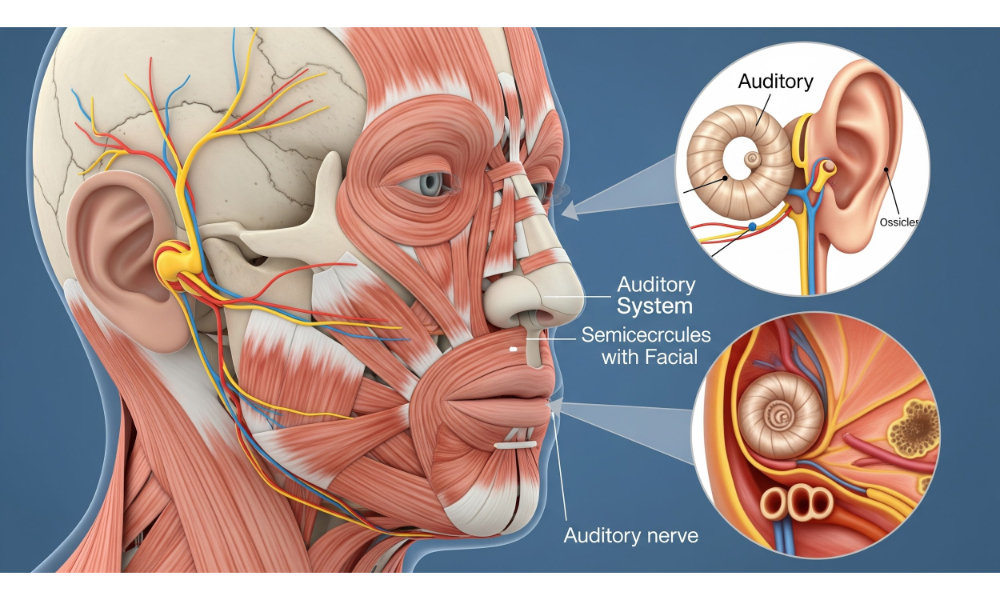
Understanding this link begins with recognizing the anatomy of the ear. The outer ear, known as the pinna, collects sound waves and channels them into the ear canal. Its shape and position can influence how sound is perceived, impacting both auditory health and social interactions. Issues with ear shape may lead to challenges in hearing, which can subsequently affect your quality of life.
The relationship between ear structure and auditory function also extends to aesthetics. A well-balanced ear shape contributes to overall facial harmony, influencing how you feel about yourself. By addressing both hearing health and ear aesthetics, you can enhance your well-being, ensuring that both functional and aesthetic needs are met.
The Impact of Ear Structure on Confidence and Social Interaction
Ear structure significantly influences your confidence and social interactions. Prominent or asymmetrical ears can lead to self-consciousness, affecting how you engage with others. In social settings, you may find yourself focusing more on how your ears look rather than participating actively in conversations.
The psychological impact of ear structure can manifest in various ways. Children with noticeable ear differences may experience teasing, leading to a drop in self-esteem. Adults, too, might avoid social situations or choose hairstyles that cover their ears, limiting self-expression and affecting how they present themselves in public.
It’s important to recognize that confidence and social interaction are deeply intertwined with how you perceive your appearance. Addressing concerns about ear structure through procedures like otoplasty can significantly boost confidence. By improving your ear shape, you can enhance your overall appearance, which positively affects how you interact socially, enabling you to communicate more effectively and confidently.
How Otoplasty Enhances Facial Balance and Appearance
Otoplasty, a surgical procedure aimed at reshaping the ears, plays a crucial role in enhancing facial balance. This procedure is not only about improving the ears’ appearance but also about achieving harmony with the rest of the face. When ears are proportional and symmetrical, they complement facial features, enhancing your overall look.
The benefits of otoplasty for ear reshaping are multifaceted. Aesthetically, it can correct issues such as protruding or uneven ears, creating a more balanced facial appearance. Functionally, it can even address certain auditory issues by adjusting the ear’s position, which may improve how sound waves are captured and processed.
Individuals considering otoplasty often find that the procedure leads to a significant boost in self-confidence. By addressing concerns related to ear shape, you can feel more comfortable in your skin. This newfound confidence can have a ripple effect, improving various aspects of life, from personal relationships to professional interactions.
The Role of Audiology in Diagnosing Hearing Challenges
Audiology is a critical field that focuses on diagnosing and treating hearing challenges. Professional audiology services are essential for assessing hearing health, identifying issues that may go unnoticed, and recommending appropriate treatments. If you’re experiencing difficulties with hearing, consulting an audiologist is a crucial step.
Audiologists employ various methods to diagnose hearing problems, including comprehensive hearing tests. These tests assess your ability to hear different sounds and frequencies, helping to pinpoint specific issues. A hearing test near you can provide valuable insights into your auditory health, guiding necessary interventions.
The role of audiology extends beyond diagnosis. Audiologists work closely with other healthcare providers to ensure a holistic approach to hearing health. They can recommend advanced hearing aids that are customized to your needs, ensuring that you receive the best possible care. By integrating audiology services into your healthcare routine, you can safeguard your hearing and improve your quality of life.
Modern Hearing Solutions: Hearing Tests and Advanced Hearing Aids
Advancements in hearing technology have revolutionized the way hearing loss is managed. Modern hearing solutions, such as advanced hearing aids, offer sophisticated features that cater to diverse needs. These devices are designed to enhance sound clarity, reduce background noise, and connect seamlessly with other digital devices.
Advanced hearing aids are equipped with cutting-edge technology that adapts to different environments. Whether you are in a quiet setting or a bustling crowd, these devices adjust automatically to optimize hearing. This adaptability ensures that you can communicate effectively, enhancing your engagement in social activities and professional settings.
Regular hearing tests play a crucial role in maximizing the benefits of these modern solutions. By scheduling a hearing test near you, you can monitor changes in your hearing and make informed decisions about your auditory health. Audiologists can then tailor hearing aids to your specific needs, ensuring that you receive personalized care that enhances both hearing and overall life satisfaction.
Combining Aesthetic and Functional Care for Better Outcomes
Combining aesthetic and functional care for the ears yields optimal outcomes. By addressing both the visual and auditory aspects of ear structure, you can achieve a more comprehensive improvement in quality of life. This integrated approach ensures that both confidence and communication are enhanced.
Otoplasty for ear reshaping, when combined with audiological care, offers a dual benefit. While otoplasty improves the appearance of the ears, audiological services ensure that hearing is optimized. This combination is particularly beneficial for individuals facing both aesthetic concerns and hearing challenges.
An integrated care plan involves collaboration between cosmetic surgeons and audiologists. This teamwork ensures that both aesthetic and functional needs are addressed, leading to improved self-esteem and auditory health. By prioritizing both aspects of ear care, you can enjoy a more harmonious and fulfilling life, free from the limitations imposed by ear-related issues.
Conclusion: Supporting Confidence and Communication Through Integrated Care
Hearing and appearance are closely connected. Conditions that affect the ears can impact confidence, communication, and social well-being. Otoplasty improves ear shape and structure, while audiology services and hearing aids enhance hearing function—working together to improve both health and self-esteem.
By considering both the aesthetic and functional aspects of ear care, you support a more holistic approach to well-being. This integrated care not only boosts confidence but also enhances communication, vital for personal and professional success. Whether you’re considering otoplasty for ear reshaping or seeking audiological services, prioritizing comprehensive ear health is a step towards a more confident and connected life.
For those in need of solutions, seek out professional audiology services and schedule a hearing test near you. Explore advanced hearing aids that align with your lifestyle. By taking these steps, you invest in your auditory health and overall appearance, ensuring a balanced approach to well-being.
