
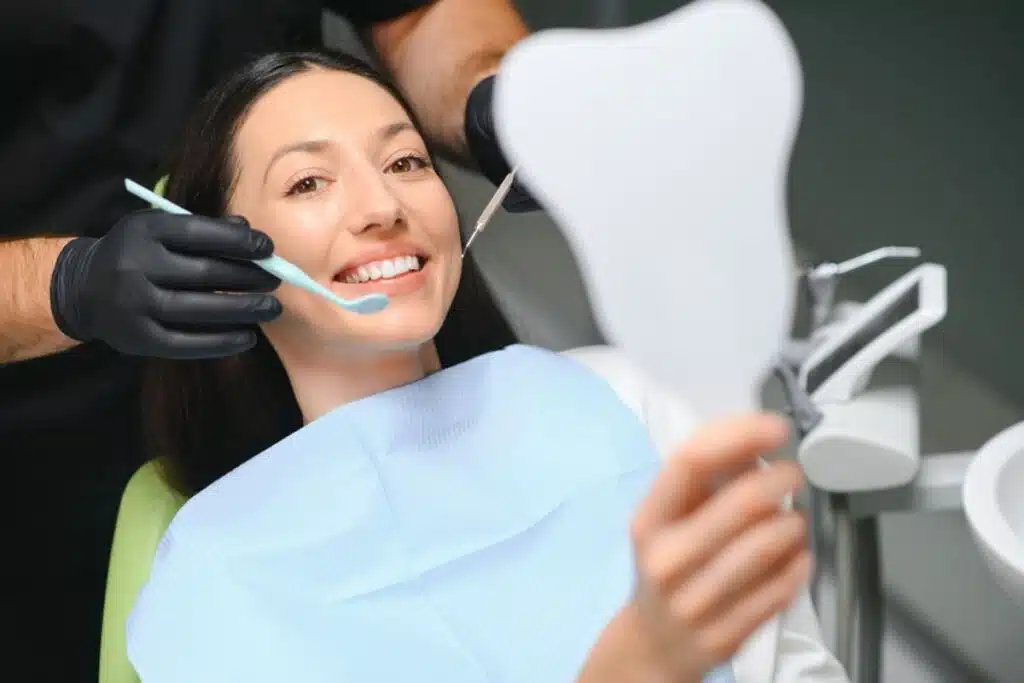
You take care of your teeth. You brush, floss, and show up for cleanings. Yet when you look in the mirror, something still feels off. Maybe your teeth look uneven in photos. Maybe a chipped tooth catches your eye every morning. Or you hide your smile because of a dark stain or gap. These problems do more than change how you look. They can shape how you speak, eat, and relate to other people. Your family dentist can help you fix that. You do not need a celebrity clinic or a crowded chain office. You can start with the person who already knows your mouth and your history. From whitening to missing tooth replacement in Fontana, your dentist can guide you through safe options that match your needs. This blog shares three clear signs that it is time to talk about cosmetic changes at your next visit.
Sign 1: You Hide Your Smile Or Avoid Photos
Small flaws can carry heavy weight. If you avoid smiling in photos or cover your mouth when you laugh, your teeth are already affecting your daily life. You may not notice how often you do it. Yet your body feels the strain each time you hold back.
Common triggers include:
- Yellow or brown stains that do not fade with regular toothpaste
- Crooked or crowded teeth that feel hard to clean
- Old fillings that show when you talk or smile
These problems are common. You are not alone. The good news is that many cosmetic treatments are simple. Some can be done in one or two visits.
Your family dentist can review options such as:
- Professional whitening for stains from coffee, tea, or tobacco
- Bonding to cover small chips, cracks, or gaps
- Tooth colored fillings to replace silver metal in visible spots
First, you need a full checkup. Your dentist must treat cavities and gum disease before any cosmetic work. The Centers for Disease Control and Prevention explains how untreated decay can lead to pain and infection. Cosmetic changes work best on a healthy mouth.
Sign 2: You Have Ongoing Trouble With Chewing Or Speaking
Cosmetic care is not only about looks. When teeth are worn, chipped, or missing, simple tasks can feel hard. You may avoid certain foods. You may notice a lisp or whistling sound when you speak. These changes can feel embarrassing. They can also hint at deeper problems.
Common signs include:
- Chewing hurts on one side of your mouth
- Food often gets stuck in gaps between teeth
- You bite your tongue or cheek many times each week
- Your jaw feels tired at the end of the day
These signs may point to:
- Worn down teeth from grinding
- Broken or cracked teeth that no longer match your bite
- Missing teeth that let others drift out of place
Your dentist can use crowns, bridges, or implants to rebuild support. Even though these are often seen as cosmetic, they also protect your health. The National Institute of Dental and Craniofacial Research notes that missing teeth can affect chewing, nutrition, and speech. Restoring your smile can ease pain and help you eat a wider range of foods.
Comparison: Living With Tooth Problems Versus Choosing Cosmetic Care
You may feel torn between putting up with problems and starting treatment. The table below shows common differences.
|
Issue |
If You Do Nothing |
If You Choose Cosmetic Care |
|---|---|---|
|
Stained or dark teeth |
Ongoing self-doubt during photos and social events |
Cleaner look that can support steady confidence |
|
Chipped or cracked teeth |
Higher risk of deeper breaks and pain |
Stronger surface that guards the inner tooth |
|
Missing tooth |
Shifting teeth and bite changes over time |
Stable bite that supports chewing and speech |
|
Crooked front teeth |
Harder cleaning and more plaque build up |
Smoother surfaces that are easier to brush and floss |
This choice is personal. You do not need a perfect smile. You do deserve comfort when you eat, speak, and meet other people.
Sign 3: You Avoid Social Events Or Work Chances Because Of Your Teeth
When teeth affect how you see yourself, they can steal chances. You might turn down a job interview or a family photo session. You might stay quiet at meetings. Over time, this can shape your career and your close ties.
Warning signs include:
- You feel dread before events where people might notice your teeth
- You cover your mouth in every meeting or class
- You feel sharp shame when you see your reflection
Cosmetic care will not fix every worry. It can remove one heavyweight. Many people feel relief when stains, chips, or gaps no longer pull their focus. That mental space can go back to your family, your work, and your daily joys.
Your family dentist can help you set clear goals. You might choose one small step now. You might plan more work later. The key is honest talk about what bothers you most.
How To Start The Conversation With Your Family Dentist
You do not need the right words. You only need to say what you feel. You can use simple lines such as:
- “I feel embarrassed by this tooth when I smile.”
- “I want to chew better on this side.”
- “I want my teeth to look more even in photos.”
Your dentist will then:
- Check your teeth, gums, and bite
- Take x rays or photos if needed
- Explain options, costs, and time frames in clear terms
You can ask:
Moving Toward A Smile You Trust
If you hide your smile, struggle to chew, or avoid events because of your teeth, it is time to talk with your family dentist. You do not need to feel shame. Many patients share the same worries. With the right plan, you can gain a smile that feels steady and true to you. That change can support your health, your comfort, and your daily life.
