
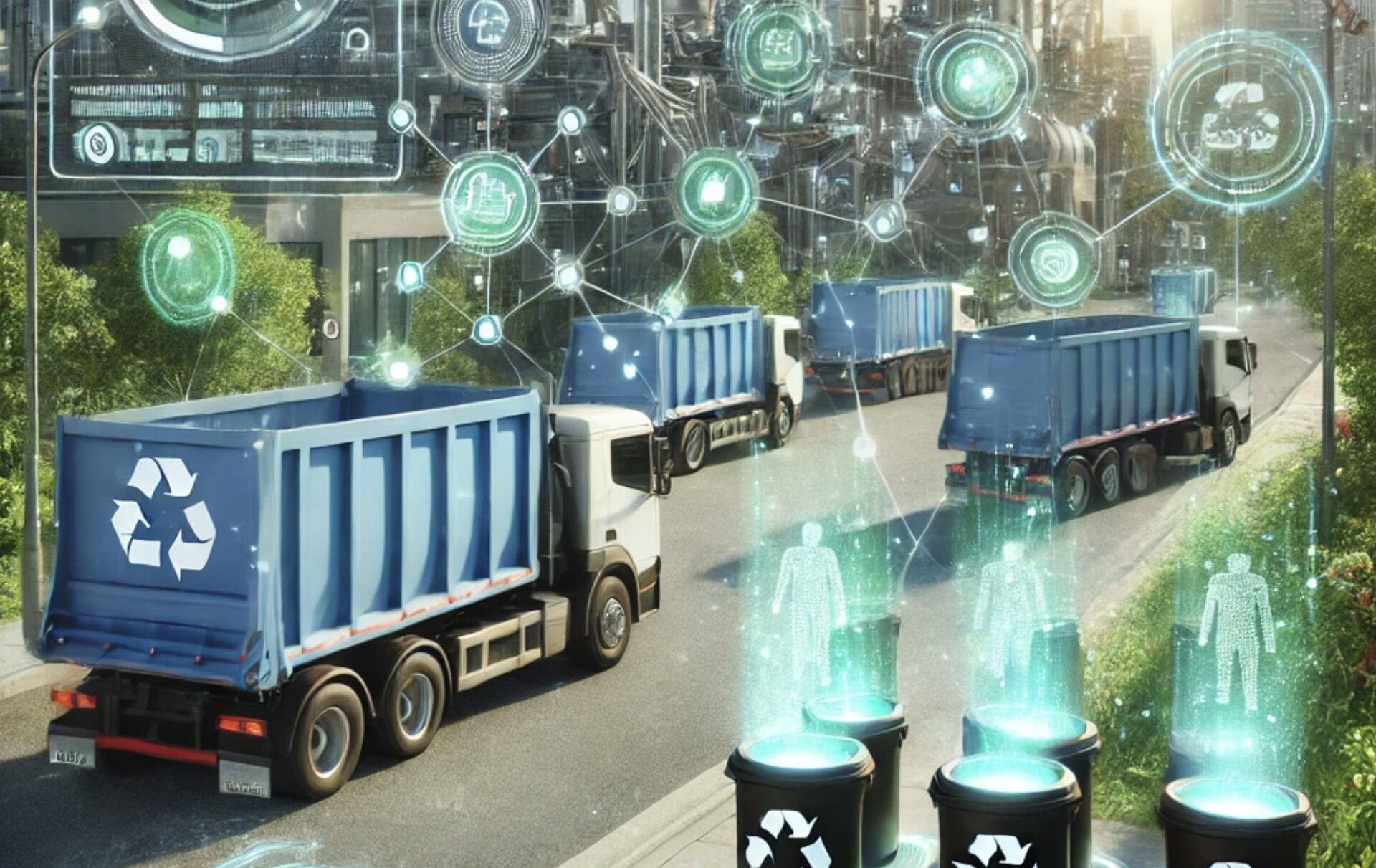
The problem is the result of a trend that has taken hold around the world — consumption is increasing faster than infrastructure can keep up. Every day, recycling facilities handle massive volumes of mixed waste. Introducing the garbage screen; an idea that streamlines the recycling process, while maximizing efficiency, and minimizing waste.
The Waste Screening Machine: What Does It Do?
The waste screening machine is a machine that used to classify waste by size and has the advantages of smooth operation, low energy consumption, simple structure and long service life. Effectively process recyclables and waste, vibrating or rotating sorting drums. This in turn simplifies recycling of materials, such as plastics, glass, metals and organics. They don’t just reduce the hands-on work needed to do the separating, they also make recycling runs much quicker.
Key Benefits of Waste Screening
Not just for sorting, a waste screening machine can also find applications in many other activities. Some of the benefits are:
- Increased Rate of Recycling: Greater amounts of material are being recovered and recycled which improves the recycling rate.
- Economical: Eliminates time consuming labor and second sorting.
- Environmental Protection: Recycled material will help refrain the waste to the landfill and preventing potential pollutants, including fresh water and greenhouse gases.
- Performance: Processing large amounts of garbage with little downtime is its performance.
These advantages render screening systems an essential device of contemporary waste treatment.
Utilizations of Solid Waste Sorting Machines
There are many different types of industries that utilize waste screening trammels:
-
- Municipal recycling centers: Recycling facilities run by municipalities sort general refuse into several materials, including paper, metal, plastic, and more.
- Construction & Demolition: Recycling concrete, wood, and metals is a specialty of the construction and demolition industries.
- Facilities for Composting Landfills: Produces compost that is exceptionally free of contaminants by removing them from organic waste.
- Operations in the Manufacturing Sector: Provide Support in the Management of Byproducts and Improvement Work Waste.
By adjusting to various conditions, these machines provide cleaner and more efficient recycling.
Types of Screening Systems
It’s not always as simple as finding a place to put the waste. Common technologies include:
- Trommel Screens: A type of “sizing screen” that has a hollow, cylindrical-shaped drum that is rotated as the feed is separated by size.
- Sieves: Devices for fine sorting based on vibration.
- Disc and Star Screens: Perfect for C&D and low weight waste.
- Hybrid Systems: When dealing with challenging or massive waste applications, use both methodologies.
All screening waste machinery is created to enhance production and ease the particular demands belonging to the industry.
What Does the Future Hold for Screening of Waste Technology?
New technology is helping to usher in the next era of screening systems. Future trends include:
- Artificial Intelligence-Driven Sorting: Cost-effective solutions based on AI that identify and sort high-value materials.
- Energy-Efficient Models: Machines that require less energy to operate but keep same output levels.
- Intelligent Integration: Easy connection to the rest of your processing line for greater automation.
These improvements will help recycling plants to become smarter, more sustainable, and more affordable.
Conclusion
It’s not just recycling equipment; it is a solution you can depend on. In improving recovery rates, cutting costs, and easing landfill dependence, these machines are helping industries, mitigating climate change and achieving environmental goals set by communities and companies. As technology progresses, their ability to contribute to a cleaner, greener future will increase further, these little juggernauts becoming key players in the global fight for smarter, cleaner energy usage for all.
