
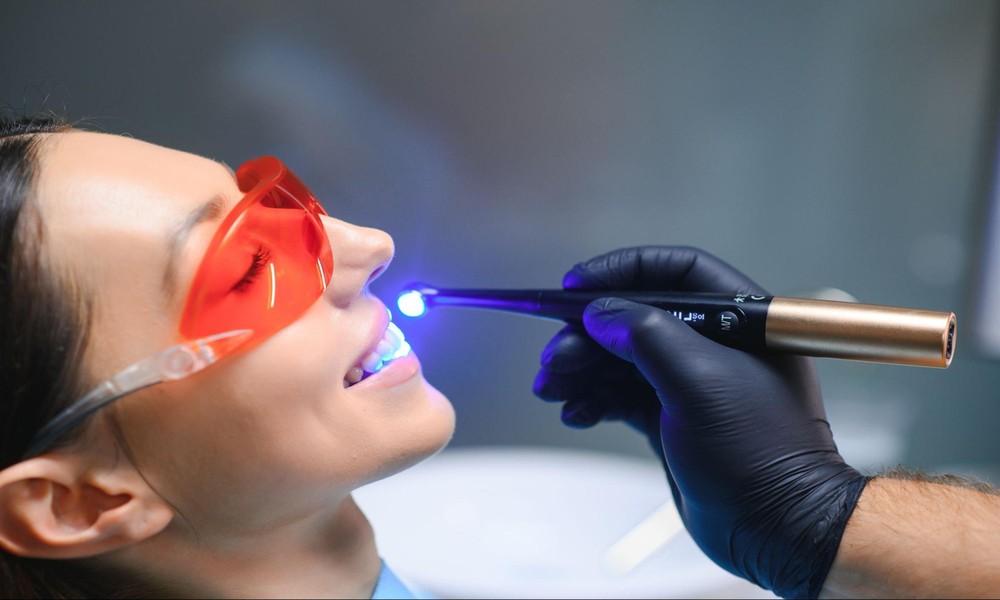
Your daily choices shape your mouth and your life. New digital tools now help you and your dentist catch problems early, before pain, fear, or high bills hit. These tools do more than polish your teeth. They expose silent damage, track small changes, and guide simple steps that protect you. Today, a dentist in Verrado, Buckeye AZ can use 3D images, smart sensors, and real time data to build a clear picture of your mouth. That picture shows where decay starts, how you brush, and what needs attention now. Early warnings replace guesswork. Clear visuals replace confusion. Simple plans replace delay. This blog walks through five digital changes that protect your smile. You see how each one works, what it means for your visits, and how it can cut your risk of sudden emergencies. You deserve calm, steady care that stops problems before they grow.
1. 3D imaging that exposes hidden tooth decay
Old X rays gave flat, hazy views. New 3D scans give sharp pictures of teeth, roots, and bone. You see problems from many sides. Your dentist sees tiny weak spots long before they turn into deep cavities.
This helps you in three clear ways.
- You get early warnings for decay between teeth.
- You see clear images that make treatment choices easier.
- You avoid surprise root canals and extractions.
Now your dentist can zoom in on one tooth, measure the depth of a crack, and watch small changes over time. You and your child can see the same picture. That makes it easier to explain brushing, flossing, and food choices in simple terms.
The Centers for Disease Control and Prevention notes that cavities are the most common ongoing disease in children. Digital 3D tools give you a real chance to stop that pattern.
2D X rays compared to 3D imaging
|
Feature |
2D X Rays |
3D Imaging |
|---|---|---|
|
View of teeth |
Flat picture |
Full 3D picture |
|
Early decay detection |
Misses many small spots |
Reveals tiny weak spots |
|
Patient understanding |
Hard to read |
Clear and easy to see |
|
Tracking change over time |
Rough comparison |
Exact size and shape change |
2. Digital cavity risk tools that predict trouble early
New software tools pull together your history, your diet, your saliva tests, and your past cavities. They turn that mix into a clear risk score. That score shows your chance of new decay in the next few years.
This matters for you and your family.
- You see your true risk, not a guess.
- You get a personal plan that fits your habits.
- You track progress with new scores at each visit.
If your child has a high score, your dentist can use sealants, fluoride, and closer checkups. If your score drops after you cut sugary drinks, you see proof that your effort works. That proof keeps you on track.
3. Smart toothbrushes and apps that coach you at home
Most people miss the same spots every time they brush. Smart toothbrushes now record where you brush, how long, and how much pressure you use. Connected apps turn that data into a simple map of your mouth.
These tools give you clear feedback.
- You see missed zones on a mouth map.
- You get gentle alerts if you brush too hard.
- You earn streaks for brushing for two minutes, twice each day.
Parents can view brushing reports for children. That reduces nagging. The data speaks for you. Over time, your dentist can match these records with less plaque and fewer cavities during visits.
Healthy brushing looks simple. Yet many adults still get gum disease and decay. Smart coaching tools close the gap between what you know and what you do each night.
4. Digital photos and AI checks that spot small changes
Digital cameras now record high-quality photos of your teeth at each visit. Some offices also use AI programs that scan those images and X-rays for signs of decay or bone loss.
This double check brings three strong gains.
- Your dentist compares today’s images to past visits with exact side-by-side views.
- AI flags tiny shadows or changes that a human eye might miss.
- You get measured proof when a spot stays stable or gets worse.
This does not replace your dentist. It supports careful judgment. It is like having a second set of sharp eyes that never get tired.
The National Institute of Dental and Craniofacial Research reports strong links between early decay and later tooth loss. Catching change at the smallest stage gives you more choices and less fear.
5. Teledentistry that keeps you connected between visits
Life gets busy. Work and school pull you in many directions. Teledentistry uses secure video calls, messages, and shared photos so your dentist can check on you without a trip to the office.
Here is how it supports prevention.
- You show a concern early instead of waiting months.
- You review brushing for a child or a senior at home.
- You get quick guidance after a small injury or sudden sensitivity.
Your dentist can decide if you need an in-person visit or if home care and watchful waiting are enough. That protects your time and still guards your health.
How you can use these tools for your family
You do not need to master technology to gain from it. You only need to ask clear questions.
- Ask which digital tools the office uses to spot early disease.
- Ask to see your images and risk scores and have them explained.
- Ask which home tools match your age, budget, and health.
Then set three simple steps for the next six months. For example, you can use a smart brush, schedule a 3D scan, and set one teledentistry check-in. Small actions, guided by clear data, can stop silent damage before it steals your comfort.
