
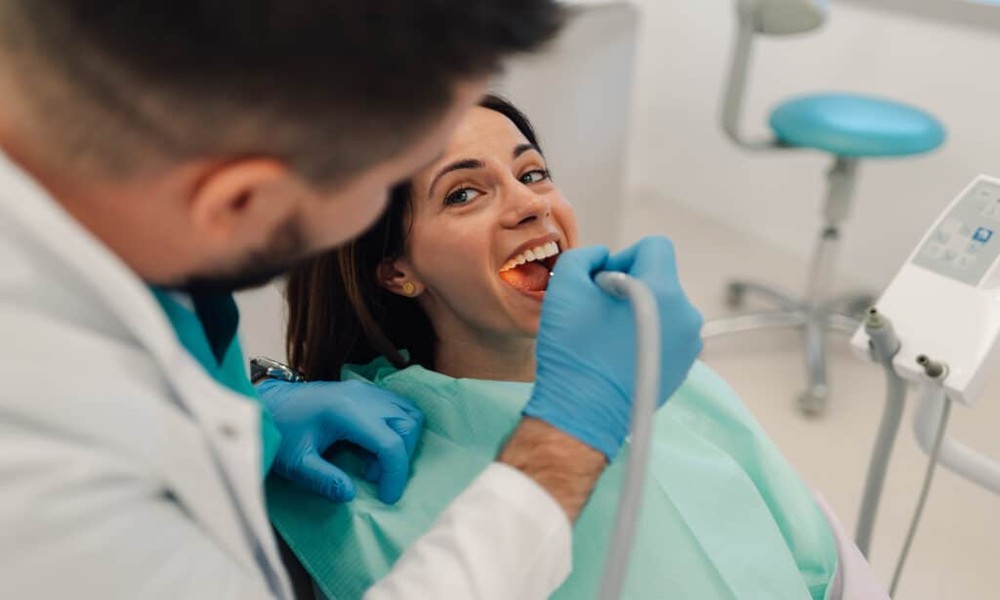
Caring for aging parents can feel heavy. You watch small changes add up. You worry about the next emergency. Preventive dentistry removes some of that fear. It keeps small issues from turning into painful infections. It protects eating, speech, and daily comfort. It also cuts down on rushed visits and high bills. You give your parents dignity when you protect their teeth and gums. They eat real food. They smile without hiding. They sleep without throbbing pain. Preventive care can include cleanings, simple fillings, fluoride, and even Invisalign in Newton MA when alignment affects comfort or function. Each visit builds a shield against decay, gum disease, and tooth loss. You gain time to plan instead of react. You gain calmer nights and fewer urgent calls. Your parents gain relief, control, and a body that feels more steady.
Benefit 1: Fewer Emergencies And Less Pain
Dental pain drains strength. It also triggers confusion, sleep loss, and mood changes. Small cavities and early gum disease often cause no clear warning. Then one day your parent cannot chew or wakes up with a swollen face.
Preventive visits catch these problems before they explode. The dentist checks for:
- Early decay between teeth
- Dry mouth from common medicines
- Gum pockets that trap food
- Cracks under old fillings and crowns
Routine cleanings remove plaque and hardened tartar. Fluoride strengthens weak spots. Simple fillings stop decay from reaching the nerve. You spare your parent from root canals, extractions, or infections that can lead to hospital care.
The National Institute of Dental and Craniofacial Research explains that untreated decay and gum disease rise with age. You can review patterns of tooth loss and disease in older adults here: NIDCR data on seniors and tooth loss.
Benefit 2: Better Eating And Stronger Overall Health
Teeth are tools for eating. When they hurt, break, or feel loose, your parent avoids many foods. Soft choices like pudding and white bread fill the stomach but starve the body. Over time this weakens muscles and the immune system.
Preventive dentistry protects chewing. The dentist focuses on three key goals.
- Keep as many natural teeth as possible
- Fit and adjust partials or dentures so they stay stable
- Protect tooth surfaces from wear and acid
The link between oral health and overall health is strong. The Centers for Disease Control and Prevention notes that poor oral health in older adults is connected to diabetes, heart disease, and poor nutrition.
Use the table below to see how chewing strength affects daily life.
|
Chewing Status |
Common Food Choices |
Possible Health Effects |
|---|---|---|
|
Good chewing with most teeth |
Meat, raw fruits, raw vegetables |
Stronger muscles, more energy, steady weight |
|
Reduced chewing with missing teeth |
Cooked vegetables, soft grains, ground meat |
Risk of low protein, slower healing, fatigue |
|
Poor chewing with pain or loose dentures |
Pudding, white bread, mashed foods |
Weight loss, weakness, higher infection risk |
When you keep your parents in the top row, you protect strength, balance, and recovery from illness. You also reduce choking risk because pain does not force rushed, shallow chewing.
Benefit 3: Clear Speech, Confidence, and Social Connection
Mouth health shapes how your parent speaks and feels in public. Missing front teeth, loose dentures, or swollen gums can change speech sounds. Your parent may mumble, avoid words, or stop speaking in groups.
Preventive visits protect clear speech. The dentist can:
- Repair small chips before they spread
- Adjust dentures so they do not slip
- Reduce sharp edges that cut the tongue
- Check for early signs of oral cancer
These steps do more than fix teeth. They protect identity. Many older adults feel shame when they lose teeth. They stop smiling in photos. They skip meals with family. Preventive care slows this slide. Each stable tooth and each comfortable denture piece keeps your parent in the room, not on the sidelines.
Clear speech also helps doctors hear symptoms and concerns. Your parent can report pain, dizziness, or side effects without struggle. You reduce the risk of silent suffering.
How To Start Preventive Dentistry For Your Parent
You may feel late. You may think the damage is done. It is not. You can still act and gain benefits in three steps.
- Schedule a full checkup. Ask for a complete exam with X-rays if safe, a gum check, and an oral cancer screen.
- Share medical and medicine lists. Many common drugs dry the mouth. This raises decay risk. The dentist can suggest saliva helpers and fluoride.
- Set a simple routine. Aim for brushing two times a day with fluoride toothpaste and cleaning between teeth one time a day. Use floss holders or brushes if grip is weak.
If alignment or crowding causes biting problems, ask if gentle options such as clear aligners are right for your parent. In some cases that type of care, including services like Invisalign in Newton, MA, can reduce grinding, uneven wear, and jaw strain. The goal is comfort and function, not a perfect smile.
Support Your Parent Without Taking Over
Your parent may feel shame about mouth problems. You can respond with respect. Offer help, not control.
- Ask how brushing feels right now
- Offer to set reminders or place supplies within easy reach
- Arrange rides to the dentist and stay in the room if your parent wants that
Small, steady support matters. Over time, you lower pain, protect eating, and keep your parent present in family life. Preventive dentistry cannot stop aging. It can ease the hard edges and guard the simple daily joys that still matter.
