
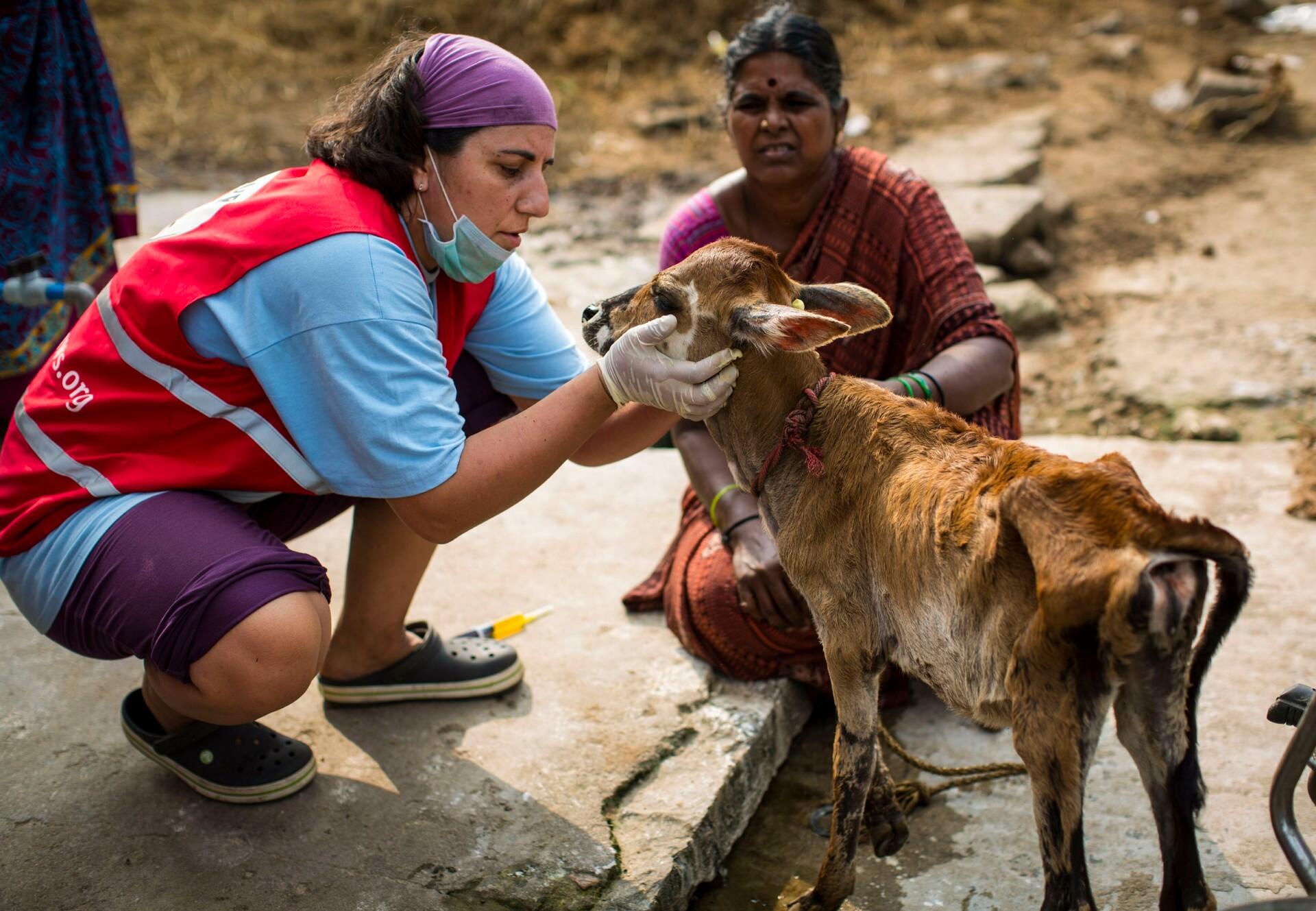
Natural disasters hit fast. You may have only minutes to grab your family, your pets, and leave. In that rush, many people feel fear, guilt, and confusion. You might wonder where to go if your pet is hurt, lost, or left behind. Animal hospitals step into that chaos with clear support. They treat injuries, give shelter, and guide hard choices when stress is high. They also work with local shelters and emergency teams so pets do not fall through the cracks. During storms, fires, or floods, a place like Cary animal hospital becomes more than a clinic. It becomes a steady point when everything else feels unstable. This blog explains four clear ways animal hospitals protect your pet and support you during a disaster. You will see how simple planning with your local animal hospital can reduce panic and protect the bond you share with your pet.
1. Emergency Treatment When Every Minute Counts
During a disaster, pets face burns, broken bones, smoke harm, heat stress, or cuts from flying debris. You may not see the full damage right away. Animal hospitals know how to act fast and keep your pet alive.
You can expect three basic steps.
- Quick check of breathing, bleeding, and pain
- Stabilizing care such as fluids, bandages, or oxygen
- Clear advice on next steps, including surgery or transfer
Emergency teams often bring rescued pets straight to nearby hospitals. Some hospitals set up triage lines to sort many animals at once. That order keeps the most fragile pets from waiting.
The Centers for Disease Control and Prevention explains that pets face a high risk during floods and storms. You can read their guidance on pets and disasters at CDC Pet Disaster Preparedness. That advice matches what many animal hospitals use in their own plans.
2. Safe Boarding When You Have Nowhere To Go
Sometimes shelters or hotels do not accept pets. You might need to evacuate far from home. In that moment, leaving your dog or cat alone feels cruel. Animal hospitals often open boarding spaces during disasters so pets stay safe while you find housing.
Hospitals may offer three types of short-term shelter.
- Emergency boarding for healthy pets who need a safe kennel
- Medical boarding for pets with chronic disease who need medicine
- Isolation boarding for contagious pets
Staff can feed, clean, and watch your pet. They can give medicine on time. They can also keep records so you know what happened each day. That care removes one heavy weight from your mind.
For planning, the Federal Emergency Management Agency lists pet shelter tips in its guide at Ready.gov Pets. Many animal hospitals use these same steps when they set up emergency boarding.
3. Help With Lost, Found, And Reunited Pets
After a storm or fire, many pets run off or get carried away in the rush. You might search streets, social media, and shelters. Animal hospitals often sit at the center of that search.
They can perform three key tasks.
- Scan for microchips on rescued pets
- Keep a log of lost and found reports
- Share photos and updates with shelters and rescue groups
Even one tiny chip can bring a pet home after weeks apart. If your pet is not chipped, hospitals can add one during routine visits. That one step can prevent long-term grief later.
Hospitals also help sort out confusion. They confirm identity when several people claim the same pet. They review records, photos, and chip numbers. That care protects both the pet and the true family.
4. Planning Support Before The Next Storm
You cannot stop a hurricane, flood, or wildfire. You can still prepare. Animal hospitals give quiet, steady help long before sirens start.
During regular visits, you can ask three simple questions.
- What shots and medicines does my pet need for evacuation shelters
- What should I pack in a pet go bag
- How will your hospital operate during a disaster
Staff can help you build a written plan. They can print records, refill medicines, and suggest safe carriers or muzzles. They can mark any special needs your pet has, such as heart disease or a fear of loud noises.
The table below shows how planning with an animal hospital compares to waiting until a disaster hits.
|
Action |
Planned With Animal Hospital |
Left Until Disaster |
|---|---|---|
|
Medical records |
Printed or saved on phone |
Lost or stuck at home |
|
Pet ID and microchip |
Updated with current contact |
Out of date or missing |
|
Medicines |
Extra supply in go bag |
Empty bottles during evacuation |
|
Evacuation crate |
Proper size and labeled |
Improvised box or no crate |
|
Hospital contact |
Written in your phone and wallet |
Searching online while under stress |
Take The Next Simple Step Today
Natural disasters will keep coming. You cannot control the wind or water. You can protect the bond with your pet through steady planning and smart help.
Start with three small moves today.
- Call your local animal hospital and ask about their disaster plan
- Update your pet’s shots, ID tag, and microchip contact
- Build a pet go bag and store it near your own supplies
When you act now, you give your future self a calmer path. You give your pet a better chance to survive, heal, and come home.
