
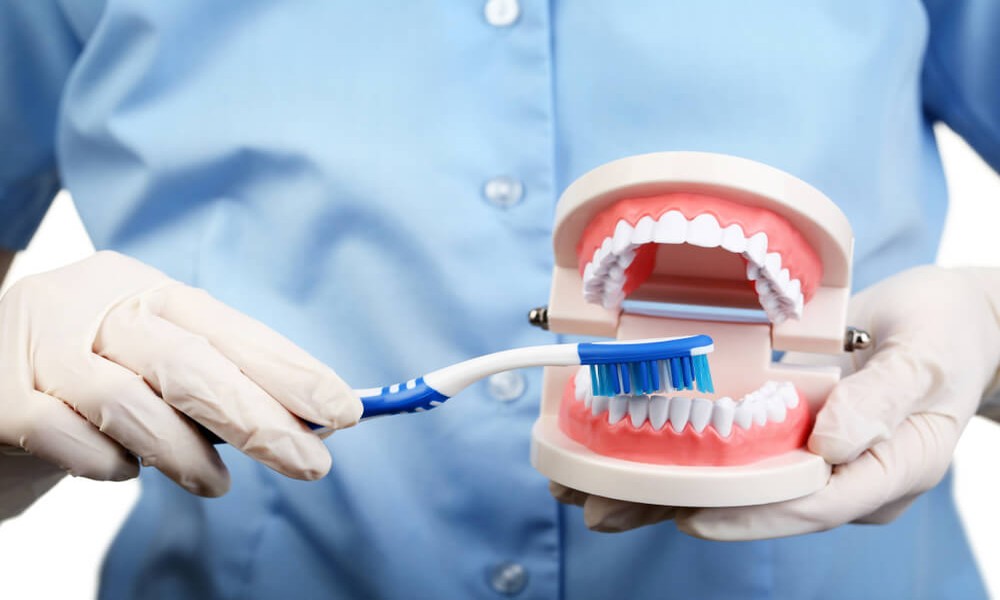
Prevention protects your teeth, your health, and your wallet. General dentistry starts with this simple fact. Small problems grow fast. A tiny cavity can turn into pain, infection, and lost teeth. You deserve care that stops problems early. A Ramona dentist can clean your teeth, spot warning signs, and guide you on daily habits that work. Regular checkups, cleanings, fluoride, and sealants keep your mouth steady and strong. They also reduce the chance of sudden emergencies. Many people wait until they feel pain. By then, treatment can be harder, longer, and more costly. Instead, you can use prevention to stay ahead of decay, infection, and gum disease. You gain control. You keep your natural teeth longer. You feel less fear at each visit. Prevention is not extra. It is the core purpose of general dentistry and the best way to protect your smile.
How Tooth Decay Starts And Why It Spreads Fast
Tooth decay starts with sticky plaque. This thin film forms each day from food, drinks, and bacteria. When you eat or drink sugar or starch, bacteria turn it into acid. The acid attacks the hard outer shell of your tooth. Over time, a weak spot forms. That weak spot becomes a cavity.
You may not feel anything at first. The surface looks fine to you. Inside, the damage grows. Once decay reaches the inner layers, pain and infection follow. A problem that needed a small filling can grow into a root canal or even a lost tooth.
Routine preventive care breaks this chain early. Cleanings remove plaque and hardened tartar. Exams find soft spots and cracks before they reach the nerve. Fluoride helps the tooth rebuild weak spots. Small steps stop decay from spreading.
Prevention Costs Less Than Repair
Preventive visits feel simple. You sit in the chair. Your teeth get cleaned. You get a checkup. You may think nothing happened. Yet those visits keep you away from more serious treatment.
The pattern is clear.
|
Type of care |
Typical timing |
Impact on teeth |
Relative cost in time and money |
|---|---|---|---|
|
Checkup and cleaning |
Every 6 months |
Removes plaque and tartar. Finds early problems. |
Low |
|
Fluoride and sealants |
Yearly or as advised |
Strengthens enamel. Protects chewing surfaces. |
Low to moderate |
|
Filling |
When decay is small |
Repairs a damaged part of the tooth. |
Moderate |
|
Root canal and crown |
When decay reaches the nerve |
Saves a badly damaged tooth. |
High |
|
Extraction and replacement |
When the tooth cannot be saved |
Removes tooth and replaces it with bridge or implant. |
Very high |
Early care is shorter and less intense. Advanced treatment takes more visits. It also brings more stress and higher cost. Prevention keeps you at the top rows of the table and away from the bottom rows.
Key Preventive Services In General Dentistry
Your general dentist uses three main tools to protect your mouth.
- Checkups. Your dentist checks each tooth, your gums, your bite, and the skin in your mouth. Small changes show early trouble. X rays help find decay between teeth and under fillings.
- Cleanings. A hygienist removes plaque and tartar that brushing leaves behind. This lowers your risk of both cavities and gum disease.
- Protective treatments. Fluoride strengthens enamel. Sealants cover the grooves on back teeth. Both give extra protection, especially for children and teens.
The Centers for Disease Control and Prevention explains how sealants cut cavities in children. This is strong proof that prevention works across a whole population.
Home Habits That Support Dental Prevention
Your daily choices decide how well preventive care works. Office visits help. Your home routine keeps that progress steady.
Use three simple habits.
- Brush with fluoride toothpaste twice each day. Brush all surfaces. Spend at least two minutes.
- Clean between your teeth once each day. You can use floss or another approved tool. This removes plaque that your brush cannot reach.
- Limit sugary drinks and snacks. Sip water during the day. Save sweets for mealtimes.
These steps match the guidance from the National Institute of Dental and Craniofacial Research. When you follow this advice, your checkups become easier, and treatment needs shrink.
Prevention Protects More Than Your Mouth
Your mouth connects to the rest of your body. Gum disease is linked to heart disease and diabetes. Infections in your teeth can spread to other parts of your body. Poor oral health can also affect speech, sleep, and eating.
When you protect your teeth, you protect your general health. You chew better. You avoid constant low-grade pain. You feel more at ease in social moments. You also lower your chance of sudden dental emergencies that send you to urgent care or the emergency room.
Prevention For Every Age And Stage
Preventive dentistry adjusts as you move through life.
- Children. Early visits build trust. They also catch problems with baby teeth and new adult teeth. Sealants and fluoride are especially helpful here.
- Teens and adults. Stress, sports, and diet changes raise risks. Mouthguards, regular cleanings, and honest talks about habits help you stay ahead.
- Older adults. Dry mouth from medicines, gum recession, and past dental work needs close watch. Prevention here protects both comfort and nutrition.
At each stage, you can ask direct questions. You can also share any fear or past trauma. A good dentist listens and adjusts the plan so you feel safe.
How To Use Prevention Starting Now
You can start with three clear steps today.
- Schedule your next checkup and cleaning. If it has been more than a year, do not wait.
- Set a daily brushing and flossing routine that you can keep. Post a note on your mirror as a prompt.
- Pick one sugary drink or snack you can cut or replace with water or a healthier choice.
These simple moves shift you from reacting to problems to staying ahead of them. You give your dentist the chance to protect, not just repair. You give yourself fewer hard decisions in the chair. Prevention as the core of general dentistry is not a slogan. It is a steady, proven way to keep your mouth strong and your life calmer.
