
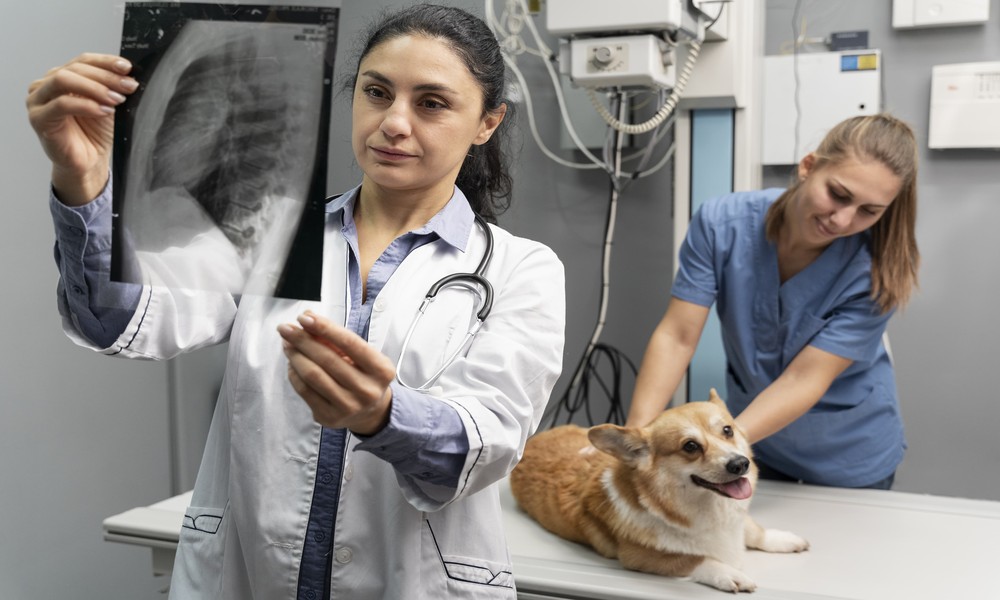
Your pet depends on you for every meal. Food shapes energy, mood, weight, and long term health. Yet many people feel lost when they read a pet food label or try to sort through bold claims. Nutrition counseling gives you clear, personal guidance so you do not have to guess. A veterinarian in East San Jose can review your pet’s age, breed, habits, and medical history, then match food and portions to real needs. This support can prevent obesity, diabetes, skin problems, and stomach trouble. It can also support recovery after surgery or illness. Careful feeding helps joints, teeth, and even behavior. You learn what to feed, how much, and how often. You also learn when to change a diet as your pet grows older. With the right counseling, every bowl becomes part of a simple plan to protect your pet’s health.
Why Nutrition Counseling Matters For Every Pet
Food is the one treatment your pet receives every single day. Each meal either supports health or slowly harms it. You see the effect in three simple ways. You see it in body weight. You see it in energy. You see it in the coat and skin.
Yet pet food bags use hard words and small print. Claims can create confusion and doubt. You may rely on habit or ads instead of facts. Nutrition counseling replaces confusion with clear steps. You get a plan that fits your pet, your budget, and your routine.
The American Veterinary Medical Association explains that nutrition is a core part of preventive care and disease treatment.
What Happens During Pet Nutrition Counseling
Nutrition counseling is more than a quick chat about food brands. It is a structured review of your pet’s life. You can expect three clear steps.
- History. You share current diet, treats, table scraps, schedule, and past health problems.
- Assessment. The veterinarian checks body weight, body condition score, teeth, skin, and muscle.
- Plan. You receive a feeding plan with food type, amount per meal, number of meals, and treat limits.
The plan should feel simple. You should leave knowing what to buy, how to measure, and what to watch. You should also know when to return for a weight check or diet change.
Common Nutrition Problems That Counseling Can Fix
Many pets share the same problems. You may see your own pet in this list.
- Overweight or underweight body condition
- Constant begging or food guarding
- Loose stool, vomiting, or gas
- Itching, dull coat, or ear infections
- Low energy or joint strain
Nutrition counseling targets the cause instead of chasing single symptoms. The veterinarian may adjust total calories, protein source, fiber level, or fat content. You may also change the treat habits or the feeding schedule.
The U.S. Food and Drug Administration provides guidance on pet food labels and safety. You can use this together with your counseling plan.
How Nutrition Needs Change Over A Pet’s Life
Pets do not need the same food at every age. Nutrition counseling keeps pace with each life stage. You can think of three broad stages.
- Growth. Puppies and kittens need more calories, protein, and key nutrients.
- Adult. Healthy adults need steady calories that match activity.
- Senior. Older pets often need fewer calories and more support for joints and organs.
A set-and-forget diet can cause slow harm. Regular checkups and nutrition reviews catch small changes early. You protect joints, kidneys, heart, and weight before damage builds.
Sample Daily Calorie Needs For Dogs And Cats
Every pet is different. Yet a simple comparison can show how needs change with size and species. These are rough daily calorie ranges for healthy, neutered pets with moderate activity. Your veterinarian may set higher or lower targets.
|
Pet Type |
Body Weight |
Approximate Daily Calories |
Common Health Risk If Overfed |
|---|---|---|---|
|
Small dog |
10 pounds |
200 to 275 kcal |
Knee and back strain |
|
Medium dog |
30 pounds |
575 to 775 kcal |
Arthritis and diabetes |
|
Large dog |
60 pounds |
975 to 1350 kcal |
Joint disease and heart stress |
|
Indoor cat |
10 pounds |
180 to 220 kcal |
Obesity and urinary problems |
Even small extra portions can cause slow weight gain. A few extra treats each day can add up to hundreds of calories each week. Nutrition counseling turns these rough ranges into a clear, safe number for your pet.
Signs Your Pet May Need Nutrition Counseling Now
You do not need to wait for severe illness. You can seek help when you notice early warning signs. Look for three simple changes.
- Weight. The collar or harness fits tighter. Ribs feel hard to find. Or spine and ribs feel sharp.
- Energy. Short walks cause heavy breathing. Playtime ends quickly. Or your pet seems restless at night.
- Stool and skin. Stool swings between loose and hard. The coat looks dull. Itching or licking increases.
If you see any of these, call your veterinarian and ask for a nutrition review. You protect your pet from deeper pain and higher costs later.
How To Prepare For A Nutrition Counseling Visit
You can turn one visit into strong results with some simple steps.
- Write down every food, treat, and table scrap your pet eats in one week.
- Bring photos of food labels or the bags and cans.
- Record current weight if you have a scale at home.
- Note changes in thirst, urination, stool, or behavior.
Then be honest about your routine. Share your schedule, budget, and any limits. A good plan respects your life. That way, you can follow it without guilt or strain.
Turning Food Into Daily Care
Nutrition counseling is not a luxury. It is a simple form of protection you can choose for your pet. Each meal becomes a quiet dose of care. You can stop guessing and start feeding with purpose.
When you work with a trusted veterinarian, you gain a partner who watches weight, organ health, and comfort over time. You give your pet a better chance at more years with less pain. You also gain peace each time you fill the bowl.
