
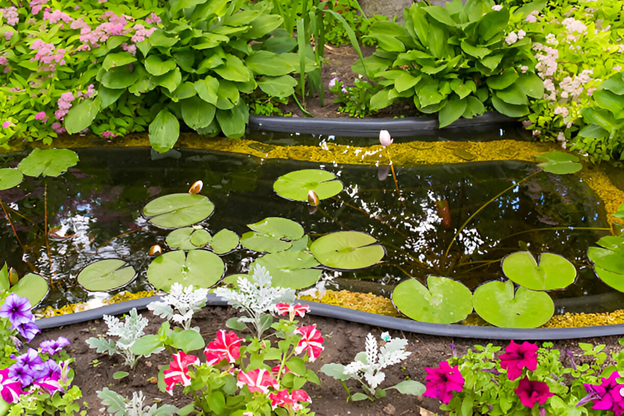
With the right seasonal flowers, a garden pond is a busy mini-ecosystem rather than just a quiet center of attraction. Selecting the appropriate plants for every season will help you to keep your pond alive all year around whether you are starting from scratch or updating one already present.
Every kind of plant has a function –
- The role of oxygenators helps to maintain water quality
- Floating plants offer shade
- Marginals give height and composition
Using trusted products and professional advice aids one in achieving that ideal equilibrium. Evolution Aqua intervenes there with its selection of premium pond equipment, therefore enabling hobbyists and experts alike to keep water conditions ideal. And when it comes to local know-how, turn no farther than That Pond Guy in Kent for individualized guidance and excellent materials to satisfy all of your seasonal pond needs.
Spring
Time to plant kinds that start the season as the pond starts to awaken from its winter sleep. Early spring is ideal for marginal plants such Marsh Marigold (Caltha palustris) and Water Hawthorn (Aponogeton distachyos). These hardy plants flourish in colder water and provide color when other plants are only starting to grow.
Adding oxygenating plants like Hornwort or Elodea around spring improves pond life and clarity as fish and amphibians get more active. To provide overgrown plants a fresh start and keep harmony in your ecosystem, repot or divide them.
Summer
Summer is the season for vivid flowers and thick foliage. Water Lilies (Nymphaea) are a must have for their gorgeous blossoms and floating leaves that naturally shade the pond, hence lowering algae development. Select several types for staggered June–September blooms.
Warm weather promotes tall marginals like Iris pseudacorus (Yellow Flag Iris) and Pickerelweed, thereby heightening the surroundings of the pond. Don’t lose sight of floating plants like Water Lettuce and Water Hyacinth. These quick growers remove superfluous nutrients while also shading and sheltering fish.
Watch out for plant growth this season—many species can soon take over. Frequently prune to thin the plants as it helps to keep your pond looking good and healthy.
Autumn
Your pond starts preparing as the temperature starts to fall. Autumn is about changing from color to texture. As flowering slows down, plants like Dwarf Sweet Flag (Acorus gramineus) and Corkscrew Rush (Juncus effusus ‘Spiralis’) keep intriguing forms and leafage.
In colder months hardy margins like Creeping Jenny or Bog Bean stay greener for long, so you can add these. Dying leaves fall in water and decay, which badly affect the oxygen level in the pond, so in summer start clipping the dead leaves from plants.
Winter
Plant activity in winter slows dramatically. This is when tough, semievergreen plants show their value. Hardy Water Hawthorn may still be in flower during mild winters and can withstand cold temperatures. Evergreen marginals such as Hardy Water Clover (Marsilea quadrifolia) preserve their shape and stop the pond from appearing bleak.
If there is any dead plant material remove it and cover the pond with a net to catch falling leaves. Ensure to have a robust filtration system for maintaining necessary oxygen level during colder months.
Conclusion
Timing and diversity are key to a good garden pond. Matching plants to the rhythm of the seasons maintains your pond beautiful and fit all year long.
