
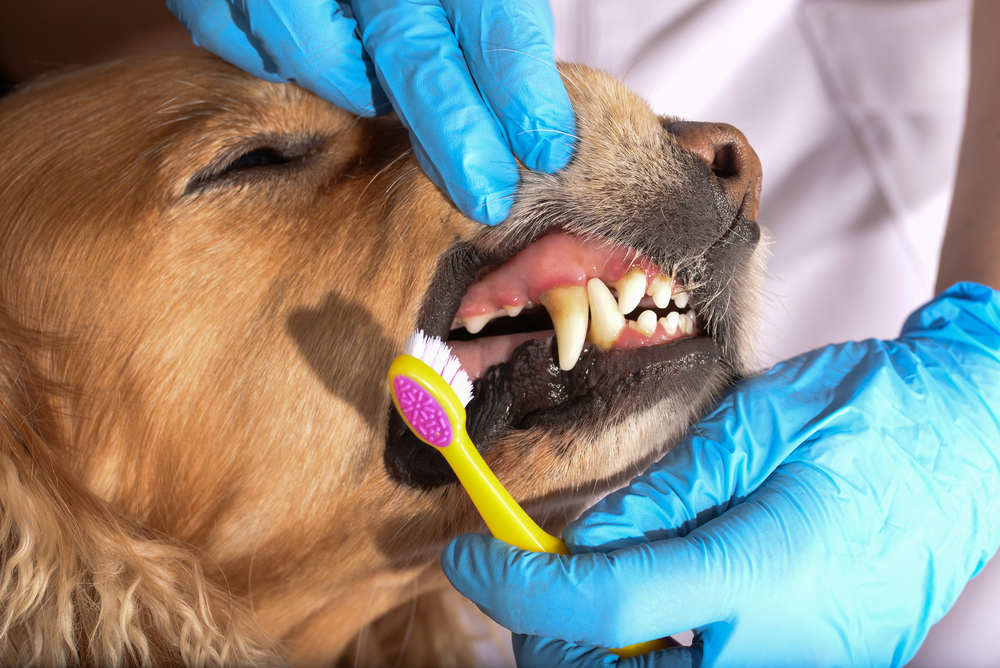
Your pet depends on you for everything. Dental care often sits low on the list, yet it shapes your pet’s comfort, mood, and lifespan. Poor teeth and gums cause steady pain. They also spread infection through the blood and strain the heart, liver, and kidneys. You might notice bad breath, bleeding gums, or trouble chewing. You might not see anything at all. Disease under the gum line grows in silence. Regular dental care at veterinary hospitals protects your pet from this hidden damage. Trained teams use safe tools and clear steps. They clean teeth, check gums, and find problems early. They also teach you how to brush at home and choose safe chews. If you already see signs of dental trouble, a veterinarian in Studio City, CA can examine your pet, ease pain, and build a simple plan that keeps your companion eating, playing, and resting in peace.
Why Dental Care At The Veterinary Hospital Matters
Dental disease is the most common health problem in dogs and cats. The American Veterinary Medical Association explains that most pets show signs of dental disease by age three. You can read more on the AVMA pet dental care page. This disease does not stay in the mouth. It affects the whole body.
At a veterinary hospital, the team can:
- Look under the gum line with dental X rays
- Clean away hard tartar that home brushing cannot touch
- Treat broken or infected teeth before they poison the body
Home care matters. Yet it cannot replace a full exam and cleaning under anesthesia. Together, they protect your pet’s health and sense of peace.
How Dental Disease Harms Your Pet
Food and bacteria form sticky plaque on teeth. If you do not clean it off, it hardens into tartar. Gums then swell, pull back, and expose roots. Infection moves into the jawbone and blood.
This process can cause:
- Constant mouth pain that changes how your pet eats and plays
- Tooth loss that makes chewing hard food impossible
- Higher risk of heart, kidney, and liver problems
Your pet may still eat. Many animals hide pain. Instead, you might see small changes. Your pet may pick up food and drop it. Your pet may chew on one side. Or your pet may just seem tired and cold toward play. These quiet signs point toward trouble in the mouth.
Warning Signs You Should Not Ignore
Call your veterinary hospital if you notice:
- Strong mouth odor that does not fade with brushing
- Red, swollen, or bleeding gums
- Brown or yellow buildup on teeth
- Loose, broken, or missing teeth
- Pawing at the mouth or face
- Drooling more than usual or bloody drool
- Slow eating or refusal to eat hard food
- Sudden mood change or loss of interest in toys
Early steps stop deeper pain and higher costs later. Quick action also lowers the chance of infection spreading to the heart and other organs.
What Happens During A Dental Visit At The Hospital
A dental visit at a veterinary hospital is clear and structured. You know what your pet will face and why each step matters.
- Pre exam. The team checks your pet’s mouth, heart, and lungs. They may run blood tests to see if anesthesia is safe.
- Anesthesia. Your pet sleeps so the team can clean above and below the gum line without fear or pain.
- Dental X rays. These pictures show roots and bone that you cannot see with the eye.
- Cleaning. The team removes tartar, smooths tooth surfaces, and flushes the mouth.
- Treatment. The veterinarian treats or removes diseased teeth.
- Recovery and home plan. Staff watch your pet wake up and send you home with clear steps.
The process feels technical. Yet the goal stays simple. Your pet should eat, drink, and rest without pain.
Home Care Versus Hospital Care
Both home care and hospital care matter. They work best together. This table shows how they compare.
|
Type of care |
Main goal |
What it can do |
What it cannot do |
|---|---|---|---|
|
Home brushing and chews |
Slow plaque and tartar each day |
|
|
|
Veterinary hospital dental care |
Find and treat disease |
|
|
How Often Your Pet Needs Dental Care
Needs differ by species, breed, age, and health. The American Animal Hospital Association offers general guidance on its pet dental care page. You can use these common ranges as a starting point. Then you can work with your own veterinarian.
- Most dogs and cats need a full dental cleaning every one to two years
- Small breed dogs and short nosed breeds often need yearly cleanings
- Older pets or pets with health problems may need more frequent checks
Daily or at least three times weekly brushing gives the best support between visits. Dental diets and approved chews can help when brushing is hard. Your veterinary team can suggest products that protect teeth without risk.
Making Dental Care Easier For You And Your Pet
Dental care can feel heavy. You may fear anesthesia. You may worry about cost. You may feel guilt about past neglect. These feelings are common. You are not alone.
You can move forward with three simple steps.
- Schedule an exam and ask for a mouth check and honest plan
- Start gentle brushing with a soft brush and pet safe paste
- Set a repeat visit date before you leave the hospital
Each small step protects your pet from silent pain. It also protects your home from the grief that comes when disease goes unchecked. With steady dental care at your veterinary hospital and simple habits at home, you give your pet a longer, calmer, more comfortable life.
