
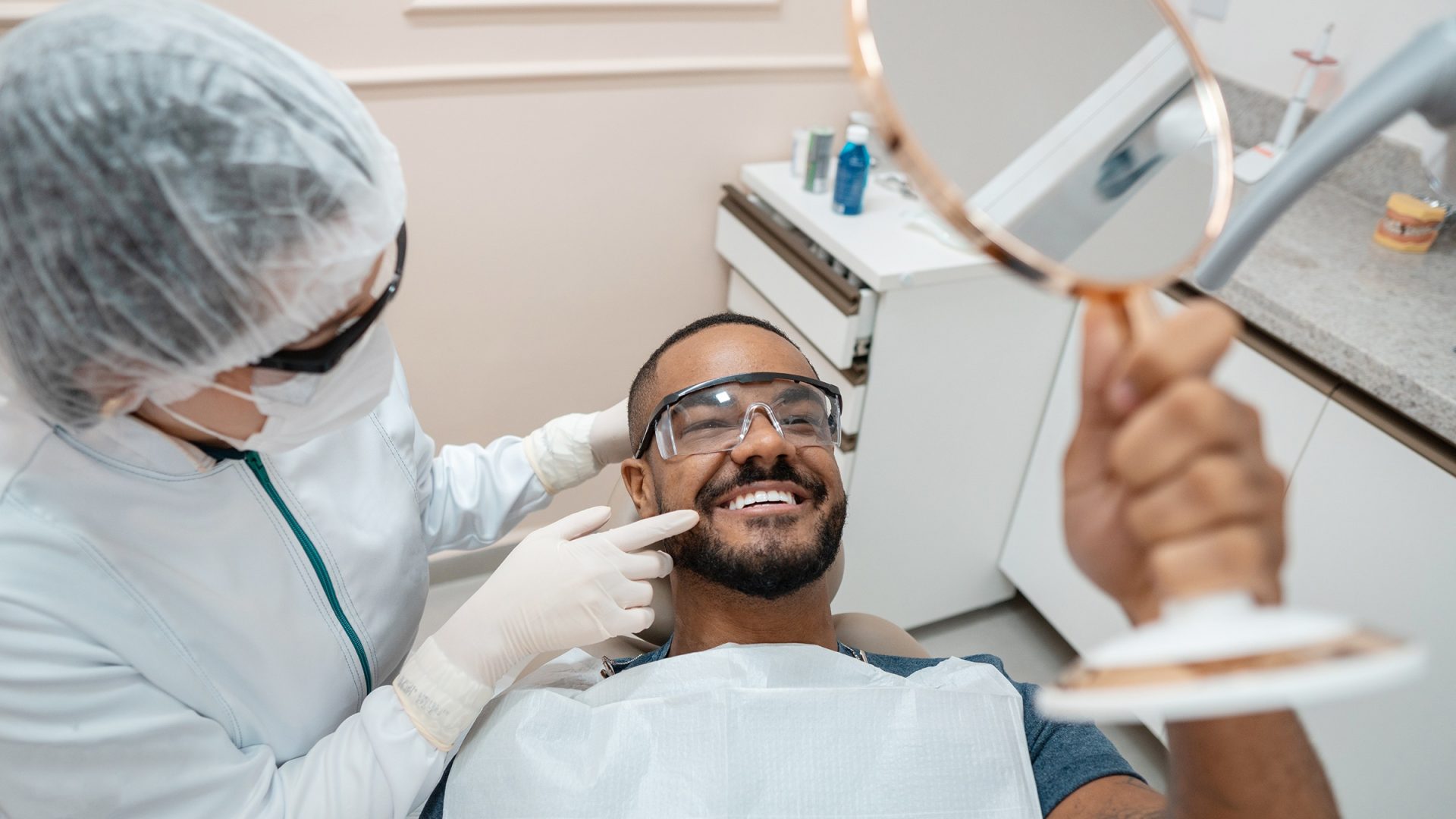
You work hard to stay healthy. Your teeth deserve the same attention. General dentistry gives you basic care that protects your mouth before problems grow. It focuses on simple steps. You get cleanings, exams, and X rays that catch small issues early. You save money by avoiding root canals, extractions, and emergency visits. You also gain options that fit your budget and comfort. For example, clear braces in Northeast Philadelphia, basic fillings, and routine sealants can all prevent bigger costs. You and your dentist plan care that fits your life, not the other way around. You learn what to do at home. You know when to schedule visits. You know what each treatment will cost. You take control of your health. You protect your smile and your wallet at the same time.
Why Preventive General Dentistry Costs Less Over Time
Tooth decay and gum disease start small. They grow when you ignore them. Preventive care stops that growth. You spend a little now so you do not face painful treatment later.
General dentists focus on three simple goals.
- Keep teeth clean.
- Catch problems early.
- Guide your daily habits at home.
The cost gap between early care and late care is wide. A basic exam and cleaning is usually the lowest cost visit. A deep infection that needs a root canal and a crown can cost many times more. The pattern is clear. Early care is cheaper care.
The American Dental Association explains that regular visits spot decay and gum disease before they cause tooth loss.
Common Preventive Services And What They Do
General dentistry offers a small set of core services that protect your teeth. Each one has a clear purpose. Together they cover most family needs.
- Routine exams. Your dentist checks teeth, gums, tongue, and jaw. You learn what looks healthy and what does not.
- Cleanings. The team removes plaque and tartar that brushing leaves behind. This lowers your risk of cavities and gum disease.
- X rays. Images show decay between teeth and under fillings. They also show bone loss and infections.
- Fluoride treatments. Fluoride hardens enamel. This makes teeth more resistant to decay.
- Sealants. A thin coating is placed on chewing surfaces of back teeth. This helps block food and bacteria.
- Basic fillings. Small cavities are cleaned and filled before they reach the nerve.
- Early orthodontic screening. Your dentist checks crowding and bite. Early advice can prevent more complex work later.
The Centers for Disease Control and Prevention explains that sealants can prevent up to 80 percent of cavities in back teeth in children.
How Preventive Care Saves Money
Preventive care works like regular car maintenance. You change the oil so the engine does not fail. You see your dentist so your teeth do not break or get infected.
Here is a simple comparison of common services. Exact prices vary by location and insurance. The pattern still holds.
| Type of visit | Purpose | Typical timing | Relative cost level |
|---|---|---|---|
| Exam and cleaning | Check health and remove plaque | Every 6 to 12 months | Low |
| Fluoride or sealants | Strengthen and protect teeth | During routine visit | Low to medium |
| Small filling | Treat early cavity | As needed | Medium |
| Root canal and crown | Treat deep infection | When decay reaches nerve | High |
| Extraction and replacement | Remove tooth and restore gap | When tooth cannot be saved | Very high |
Three points stand out.
- Preventive visits cost less than repair visits.
- Small problems cost less to fix than large problems.
- Tooth loss often leads to new long term costs.
Affordable Options For Families
Many families worry about cost. You are not alone. General dentistry offers practical ways to manage that stress.
You can ask about three key choices.
- Insurance and discount plans. Many plans cover exams, cleanings, and X rays at low or no cost. Some offices also offer in house savings plans for people without insurance.
- Payment schedules. Offices often spread payments over time for larger work. You avoid one sudden bill.
- Step by step treatment plans. Your dentist can rank needs as urgent, soon, or later. You address the most serious issues first.
General dentists also help you compare options. For example, clear aligners may cost more than basic metal braces. They may still prevent future wear on teeth from a bad bite. You can weigh cost against daily comfort and long term health.
Home Habits That Strengthen Preventive Care
Your daily routine makes or breaks your dental budget. Office visits work best when you support them at home. You do not need complex tools. You only need steady habits.
Use three core steps.
- Brush twice a day with fluoride toothpaste.
- Clean between teeth once a day with floss or another tool.
- Limit sugary drinks and snacks.
You can also use a simple rule. If a food sticks to your teeth, rinse or brush soon after eating. This reduces the time sugar and acid sit on enamel.
Children need help with brushing until they can tie their shoes. You can make brushing a family routine. You can brush together and use a timer or a song that runs two minutes.
When To See A General Dentist
Regular visits are your safety net. They keep small concerns from turning into painful problems. A simple schedule works for most people.
- Every 6 months for exams and cleanings unless your dentist suggests a different gap.
- Sooner if you notice new pain, swelling, bleeding, or a broken tooth.
- Early visits for children, by their first birthday or when the first tooth comes in.
General dentists also guide you on when to see specialists. They may refer you for braces, gum care, or oral surgery. You still return to your general dentist for ongoing preventive care.
Taking The Next Step
You have more control than you think. Preventive general dentistry lets you protect your teeth and your budget with simple steps. You schedule regular visits. You follow clear home habits. You ask direct questions about cost and choices.
Small actions today protect you from pain, missed work, and large bills later. You support your own comfort. You support your family. You give your future self fewer dental surprises and more steady health.
