
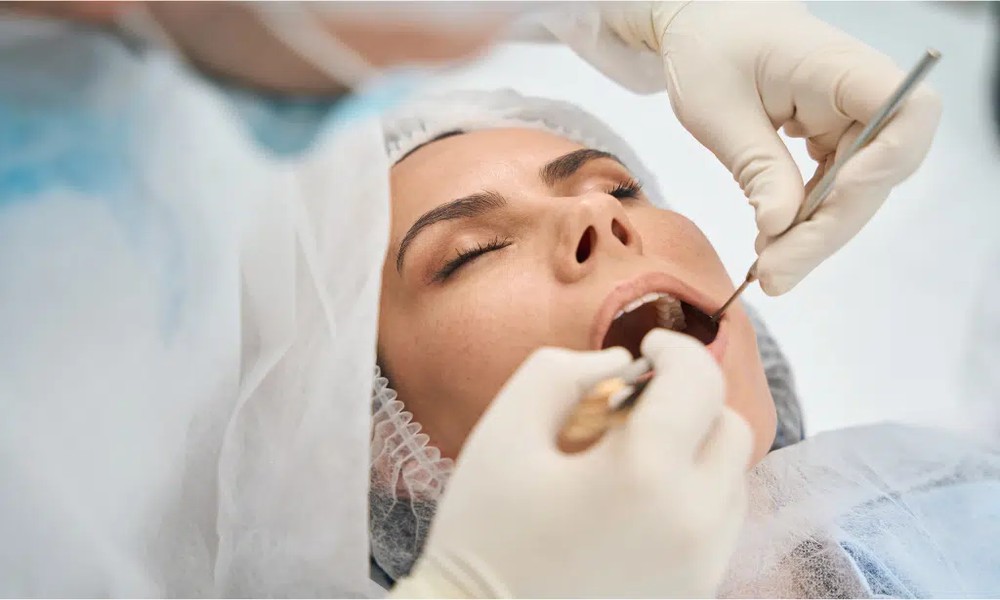
You can brush, floss, and feel fine. You still may not see early damage in your mouth. Small cavities, gum disease, and even signs of oral cancer often stay hidden. They grow in quiet corners you cannot see in a mirror. A routine visit with a general dentist works like a skilled inspection. You get trained eyes, proper tools, and clear answers. A dentist in Mississauga Ontario uses lights, mirrors, and X-rays to spot tiny changes. You may only notice a slight ache. The dentist may see cracked enamel, bone loss, or infection. Early detection saves teeth. It can also protect your heart, lungs, and blood sugar. This blog explains how general dentistry finds trouble early, why home care is not enough, and what to expect at a checkup. You deserve a mouth that feels strong, clean, and safe.
Why home care alone misses early problems
You look in the mirror and see teeth that seem clean. You do not see what hides under the gums or between tight spaces. You also cannot feel many problems until they grow large.
Home care misses early issues for three main reasons.
- You only see the front surfaces. You cannot see between teeth or under old fillings.
- You cannot see under the gums. Early gum disease starts where a brush and floss often do not reach.
- You do not have training. Many early spots look harmless to you and dangerous to a dentist.
The result is simple. By the time you feel pain, damage has often spread.
What a general dentist checks at every visit
A general dentist follows a clear routine at each visit. You may hear short terms in the chair. The steps below explain what is happening in plain words.
- Medical history check. You share medicines and health changes. Diabetes, pregnancy, and heart disease all affect your mouth.
- Tooth by tooth exam. The dentist checks each tooth for soft spots, cracks, and worn edges.
- Gum exam. The dentist measures pocket depth around each tooth. Deep pockets signal gum disease.
- Bite check. The dentist watches how your teeth meet. An uneven bite can chip teeth and strain the jaw.
- Soft tissue exam. The dentist checks your tongue, cheeks, lips, and throat for spots, lumps, or color changes.
- X rays when needed. X rays show infection, bone loss, and decay between teeth.
The steps may feel quick. They still cover your whole mouth.
Common hidden problems your dentist can find early
Many serious mouth problems start in silence. A general dentist can catch these while they still need simple care.
- Small cavities. Early decay often hides between teeth or under the surface. It feels like nothing to you. The dentist sees a faint stain, a soft patch, or a shadow on an X-ray.
- Early gum disease. Gums may look pink at home. The dentist finds tenderness, bleeding, deep pockets, and tartar below the gumline.
- Tooth cracks. Tiny cracks are hard to see. The dentist uses lights and magnification to spot lines that weaken the tooth.
- Worn enamel from grinding. Many people grind at night. The dentist sees flat edges and small chips long before you feel jaw pain.
- Infections at the root. X rays show dark spots at the root tip that signal infection. You may not feel a toothache yet.
- Oral cancer changes. The dentist checks for sores that do not heal, red or white patches, and firm lumps.
The Centers for Disease Control and Prevention explains that untreated mouth disease is linked to heart disease, stroke, and poor blood sugar control. Your dentist is not just checking teeth. The dentist is guarding your general health.
What dentists see that you do not
The table below shows how checkups compare with home care.
|
Oral health task |
At home |
At general dentist visit |
|---|---|---|
|
View of teeth and gums |
Front surfaces in the mirror |
Full view with mirrors, lights, and magnification |
|
Hidden decay |
Usually missed until pain starts |
Found early through probing and X-rays |
|
Gum disease |
Noticed only when gums bleed or hurt |
Measured by pocket depth and bone level |
|
Oral cancer signs |
Often not checked |
Routinely checked at every exam |
|
Tartar removal |
Not possible with a brush or floss |
Removed with professional tools |
|
Bite and jaw problems |
Noticed only when pain or clicking starts |
Seen early through wear patterns and jaw movement |
This gap between home care and office care is large. Regular exams close that gap.
What to expect at a family checkup
A family visit should feel calm and clear. You can prepare your children and yourself by knowing the simple flow.
- You check in and update your health history.
- The hygienist or dentist cleans your teeth. You may hear scraping as tartar comes off. This is normal.
- The dentist examines your mouth using a small mirror and bright light.
- X-rays are taken when needed. The team places a small sensor or film in your mouth for a few seconds.
- The dentist explains any findings in plain language. You can ask every question on your mind.
- You leave with a clear plan for the next six months.
Children often feel nervous. You can help by describing the visit as a simple tooth check and cleaning. You can also bring a comfort toy or book for them.
How often you should visit
Most people need a checkup every six months. Some need visits every three or four months. This is common for people with diabetes, a history of gum disease, or many fillings and crowns.
You should also call right away if you notice three warning signs.
- Bleeding when you brush or floss.
- Lasting tooth pain or sensitivity to hot and cold.
- Sores in your mouth that do not heal within two weeks.
Waiting adds cost, fear, and stronger treatment. Steady checkups keep treatment small and simple.
Taking the next step for your mouth and your health
Your mouth is part of your body. Silent damage in your teeth and gums can strain your heart, lungs, and blood sugar. General dentistry turns on the light in places you cannot see.
You can keep brushing and flossing at home. You also need regular exams and cleanings. Together, these protect your smile, your comfort, and your health.
The next step is clear. Call a trusted general dentist. Set a date for a full exam. Bring your questions. Ask for plain answers. You deserve early detection and a mouth that feels strong, clean, and safe.
