
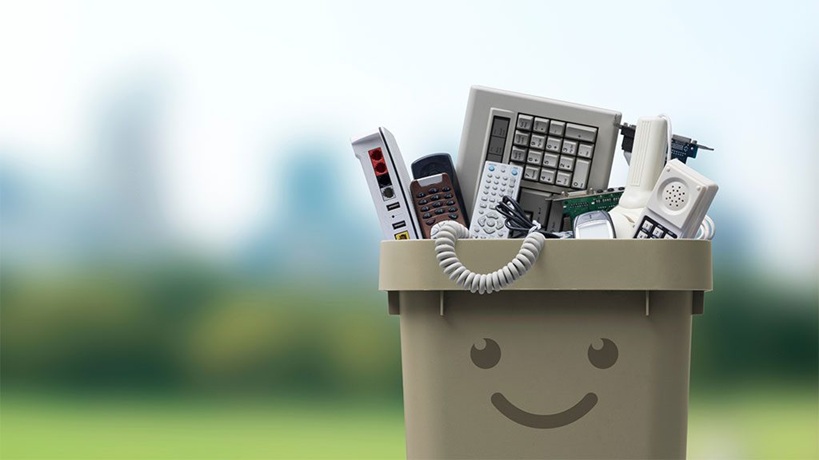
The challenge of ewaste recycling in our current age recalls earlier moments in human history when societies grappled with the unintended consequences of their own innovations. Just as nineteenth-century London struggled with the mountainous accumulation of horse manure from its transport revolution, or twentieth-century cities choked on industrial smoke before anyone thought to question progress itself, we now face the detritus of our digital age with a mixture of bewilderment and belated responsibility. The difference, perhaps, is that we possess both the knowledge and the means to address this problem before it overwhelms us entirely, if only we can muster the collective will to act. Our electronic devices, those marvels that promised to lighten our burdens and expand our horizons, have instead created a new category of waste that threatens both environmental and human health.
The Historical Pattern of Disposal
Throughout history, human societies have displayed a remarkable consistency in their approach to waste: ignore it until it becomes impossible to overlook, then scramble for solutions. Medieval cities disposed of refuse by simply tossing it into streets until plague forced reconsideration. Industrial nations dumped chemical waste into rivers until those waterways became lifeless. We are, it seems, slow learners when it comes to the consequences of convenience.
The situation with ewaste recycling follows this well-worn path. For decades, we accumulated electronics with enthusiasm whilst giving little thought to their eventual fate. Old computers gathered in cupboards and basements. Defunct mobile phones filled drawers. Obsolete televisions languished in storage rooms. Only when the volume became impossible to ignore did we begin to ask: what now?
What Responsible Disposal Requires
The practical matter of ewaste recycling demands attention to detail and a modicum of forethought, qualities not always abundant in our hurried age. The process begins not at the recycling bin but earlier, with preparation that protects both personal interests and the integrity of the recycling stream.
Consider these essential steps before parting with any electronic device:
- Remove all personal data through factory resets, a precaution that protects against identity theft and unauthorized access
- Extract batteries where possible, as they require separate handling and pose fire risks during processing
- Delete accounts and sign out of all services linked to the device
- Gather corresponding cables and accessories, which aids sorting at recycling facilities
- Clean devices of obvious debris, making them safer for handlers to process
- Identify appropriate disposal locations before the device fails, avoiding the temptation of expedient but improper disposal
These measures may seem tedious, but history teaches that neglecting such details often leads to larger problems. As one environmental administrator in Singapore observed, “Convenience in disposal requires inconvenience in preparation.”
Navigating Collection Systems
The infrastructure for ewaste recycling varies considerably by location, a disparity that reflects differing levels of governmental commitment and public engagement. Singapore, constrained by geography into efficiency, has developed a network of collection points that demonstrates what is possible when necessity meets political will.
The system operates through multiple channels. Large bins marked with the recycling symbol stand in housing estates, accepting small electronics and batteries. Retailers offer take-back programmes, accepting old devices when customers purchase replacements. Quarterly collection events target bulky items like refrigerators and televisions. Licensed recycling centres process commercial volumes of electronic waste. This multiplicity of options reflects a pragmatic understanding: people will not travel far to dispose of a broken phone, but they might deposit it in a bin encountered during their daily rounds.
The Material Question
To understand why ewaste recycling matters beyond mere tidiness, one must consider what these devices contain. Modern electronics are mineral-rich in ways that would astound earlier generations. A smartphone contains more than thirty elements from the periodic table, including gold, silver, copper, and rare earth metals extracted from distant mines at considerable environmental cost.
Yet these same devices harbour toxins. Lead in solder, mercury in switches, cadmium in batteries, and brominated compounds throughout. When improperly disposed, these substances leach into soil and water, creating health hazards that persist for generations. History offers numerous examples of such folly: lead pipes in Rome, asbestos insulation in buildings, DDT in agriculture. We knew these materials were useful before we understood they were dangerous. With electronics, we have the advantage of foreknowledge.
The Repair Alternative
Perhaps the wisest approach to ewaste recycling is to avoid creating waste altogether. Repairing devices rather than replacing them extends their utility and postpones their entry into the waste stream. This was once common practice, when household items were built to last and repairmen plied their trade in every neighbourhood.
We have strayed from this sensible path. Manufacturers design products that resist repair, using proprietary components and deliberate obsolescence to encourage replacement. Consumers, conditioned to expect newness, dispose of devices for minor malfunctions that could be easily remedied. This represents a failure not of technology but of wisdom.
The Way Forward
The problem of electronic waste will not solve itself through individual virtue alone. It requires structural changes: manufacturers designing for disassembly, governments mandating take-back schemes, retailers facilitating returns, and consumers accepting responsibility for the full lifecycle of their purchases.
Yet individual action retains importance. Every device properly recycled, every repair chosen over replacement, every purchase delayed or reconsidered represents a small assertion of responsibility over convenience. History suggests that broad social changes often begin with such modest individual choices, accumulating until they reach a tipping point that reshapes collective behaviour.
We stand at such a point now with electronic waste. The question is whether we will learn from past mistakes or repeat them. The infrastructure exists. The knowledge is available. What remains is the will to make ewaste recycling not an occasional gesture but a habitual practice, woven into the fabric of daily life as naturally as the use of the devices themselves.
