
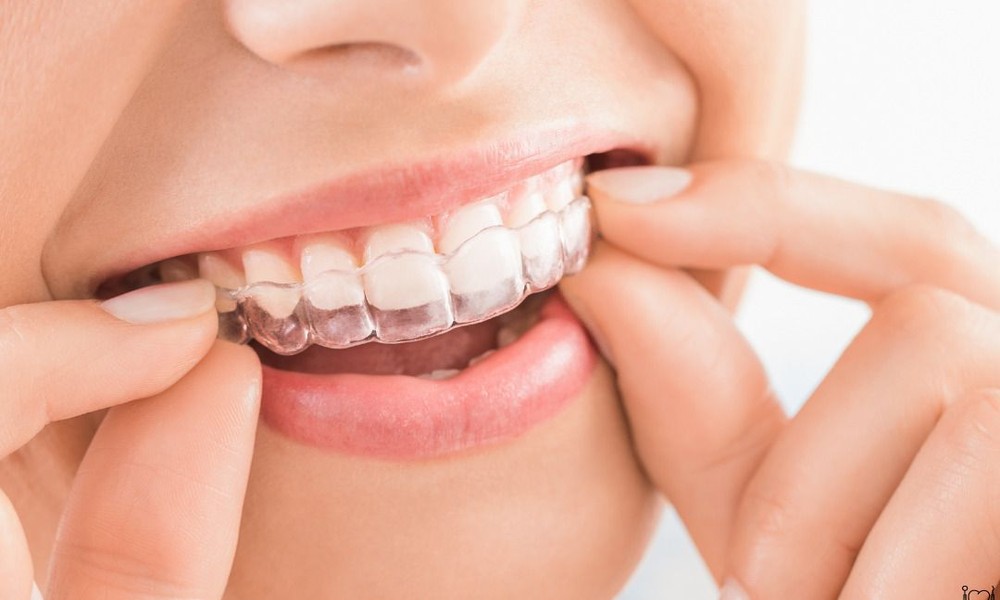
You want straighter teeth. You also want a treatment that fits your daily life. That choice often comes down to clear aligners or metal braces. Both move teeth. Yet they feel very different in your mouth, on your schedule, and in your budget. This blog explains four clear differences so you can choose with less stress and more control. You will see how each option affects pain, cleaning, food, and office visits. You will also see how your habits and health needs can shape the better choice for you. If you already searched for clear aligner in Dearborn Heights, you may feel pressure from ads and fast promises. You deserve calm facts instead. Use this guide to ask sharper questions at your next visit. Then you and your provider can agree on a plan that protects your time, your comfort, and your long term oral health.
1. How Each Treatment Looks And Feels
Clear aligners use thin plastic trays that fit over your teeth. You change to a new set every one to two weeks. The trays are see through. Most people do not notice them in normal talk or photos.
Traditional braces use brackets and wires. A provider glues brackets to each tooth. Then the wire connects the brackets. Braces stay on your teeth until treatment ends.
Ask yourself three things.
- How much do you care if others see your treatment
- Can you keep track of small trays at home, school, or work
- Will you feel more honest about treatment if it is easy to see
Some people like that braces are clear to others. It reminds them that change takes time. Others want a quiet look and feel more at ease with aligners.
2. Daily Habits, Eating, And Cleaning
Your daily routine matters more than any ad. Aligners and braces change how you eat and clean your teeth in different ways.
With clear aligners, you remove the trays to eat and drink anything except water. You brush and floss as usual. Then you clean the trays and put them back in. You must wear them for 20 to 22 hours each day. If you leave them out too long, your teeth stop moving as planned.
With braces, you eat with the brackets and wires on your teeth. Sticky, hard, or chewy foods can break or bend parts. You may need to avoid popcorn, nuts, hard candy, and gum. Cleaning takes more time. You thread floss under the wire. You brush around each bracket. The work is steady yet worth it. It lowers the risk of white spots and cavities.
The National Institute of Dental and Craniofacial Research explains why steady cleaning protects your mouth from decay and gum disease.
|
Daily task |
Clear aligners |
Traditional braces |
|---|---|---|
|
Eating |
Remove trays. Eat most foods. |
Eat with braces on. Avoid very hard or sticky foods. |
|
Brushing |
Brush teeth as usual. Rinse trays. |
Brush around brackets and wires with care. |
|
Flossing |
Floss as usual. |
Use floss threaders or special tools. |
|
Time needed each day |
Short. Similar to normal care. |
Longer. Extra work around braces. |
|
Risk from missed care |
Plaque on teeth and trays. |
White spots, plaque around brackets. |
3. Pain, Pressure, And Office Visits
Both aligners and braces move teeth through pressure. You will feel tightness. You may feel sore when you start or when your provider adjusts the plan.
With clear aligners, the pressure often feels more even. Each new tray makes a small change. Many people use over-the-counter pain relief for a day. Then the mouth adjusts.
With braces, the first week can feel rough. Lips and cheeks may rub on the brackets. Wax and salt water rinses help. After that, you may feel sore for a day or two after wire changes.
Visit schedules also differ.
- Clear aligners often use longer gaps between visits if you follow the plan.
- Braces often need visits every four to eight weeks for wire changes and checks.
- Emergency visits can happen if something breaks or feels sharp.
The Centers for Disease Control and Prevention notes that regular dental visits protect long-term health, not just appearance.
4. Who Is A Good Match And What It May Cost
Aligners and braces do not treat every bite problem in the same way. Your provider will look at crowding, spacing, jaw position, and tooth shape.
Clear aligners often work well if you have
- Mild to moderate crowding or spacing
- Some overbite or underbite that does not need jaw surgery
- Good mouth health and strong daily habits
Traditional braces often work better if you have
- Severe crowding or rotated teeth
- Complex bite or jaw issues
- Mixed baby and adult teeth in younger children
Cost depends on how long treatment lasts and what your insurance covers. Aligners can cost about the same as braces in many cases. Some plans cover one but not the other. Some offer a lifetime orthodontic limit. Ask your provider for a full cost sheet that lists
- Exam and X rays
- Aligners or braces
- Emergency visits
- Retainers after treatment
Always ask how many visits are in the quote. Also ask what happens if treatment needs more time than planned.
How To Choose With More Confidence
Clear aligners and traditional braces both straighten teeth. Yet they fit different lives. When you talk with your provider, bring three clear questions.
- What are my top three goals for my smile and bite
- Which option matches my daily habits and my child or teen’s habits
- What are the long-term risks if I do not follow the plan
Use plain words about your fears. Talk about pain, cost, school, sports, and work. A strong plan respects your time and your limits. It also protects your teeth, gums, and jaw over decades, not just during treatment.
With clear facts, you can choose the path that feels honest and steady. Then each visit becomes one more step toward teeth that work well and feel easier to care for every day.
