
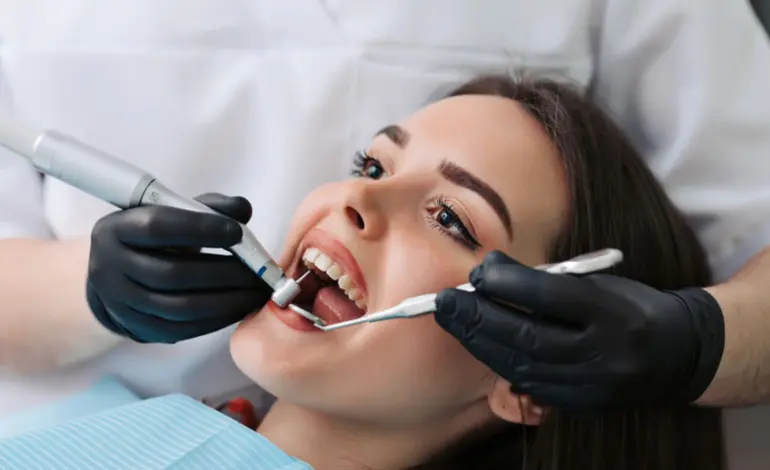
You want to avoid pain, missed work, and huge bills. Preventive dentistry helps you do that. When you brush, floss, and see your dentist on a set schedule, you stop small problems before they grow. A tiny cavity is quick to fix. A cracked tooth can turn into a root canal or even an extraction. That means more visits, more time in a chair, and higher costs over years. Regular cleanings and exams give you control. You catch gum disease early. You keep your teeth strong. You protect any crowns, bridges, or implants you already have. A Tukwila implant dentist sees the same pattern. Patients who keep up with preventive care need fewer urgent visits and fewer large treatments. You do not need perfect habits. You only need steady ones. Preventive care is simple. Repairing damage is not.
How Preventive Dentistry Saves You Time
You have a full life. You have work, school, and family demands. Dental pain cuts into all of that. Preventive care keeps you away from long visits and emergency stops.
Think about three types of time costs.
- Time in the chair
- Time away from work or school
- Time spent in pain or stress
A checkup and cleaning often takes about an hour. You plan it. You put it on a calendar. You arrange a ride if you need one. An emergency visit is different. You might leave work early. You might wait in a lobby in pain. You might need a second or third visit to finish treatment.
The Centers for Disease Control and Prevention explains that tooth decay and gum disease are common and preventable with routine care and fluoride use. This type of care cuts down on sudden problems that disrupt your day.
How Preventive Dentistry Cuts Long Term Costs
Dental problems grow in stages. Each step up in severity brings a bigger bill. Early care costs less money. Late care costs more money and more healthy tooth.
Here is a simple example for one tooth.
- Small cavity. One short visit. A filling.
- Deep decay. One or two visits. A root canal and a crown.
- Untreated infection. Extraction. Then a bridge or implant to replace the tooth.
Every step adds more lab work and more chair time. It also adds more risk. You might need time off to recover. You might need pain medicine. You might eat on one side for a while. All of this has a cost that goes beyond the bill.
The American Dental Association notes that preventive visits and cleanings help avoid tooth loss and advanced gum disease. Keeping a tooth healthy is almost always cheaper than replacing it.
Cost And Time Comparison Over Five Years
The table below shows a simple comparison. It is not a quote. It is a picture of how steady preventive care can compare with crisis care over five years for one adult.
| Type of care over 5 years | Typical visits | Estimated time in office | Example cost pattern |
|---|---|---|---|
| Regular preventive care | 2 cleanings and exams per year. 1 set of X rays every 1 to 2 years. | About 10 to 15 hours total | Mostly checkups and cleanings. Occasional small filling. |
| Irregular care with emergencies | Few or no cleanings. Several emergency visits for pain. | About 20 to 30 hours or more | Root canals, crowns, extractions, or implants. Higher fees over time. |
Again, this is a simple picture. Every mouth is different. The pattern is the same. Preventive care spreads small costs across time. Skipped care often leads to sudden large costs that hit at once.
What Preventive Dentistry Includes
You do part of preventive care at home. Your dental team does the rest.
At home you can:
- Brush twice a day with fluoride toothpaste
- Floss once a day
- Limit sugary drinks and snacks between meals
At the dental office you can expect:
- Regular exams and X rays when needed
- Cleanings to remove plaque and tartar
- Fluoride treatments for children and adults at higher risk
- Sealants on back teeth for children when appropriate
These steps help you stop decay and gum disease early. They also help your dentist find small cracks or worn spots before they fail.
Benefits For Children, Adults, And Older Adults
Every age group gains something clear from preventive care.
- Children build habits and protect new teeth. Sealants and fluoride protect against early decay.
- Adults keep teeth strong while stress, grinding, and busy schedules put pressure on the mouth.
- Older adults protect existing work like crowns and implants and manage dry mouth from some medicines.
When everyone in a home follows a routine, you save shared time and money. Fewer emergency visits mean fewer schedule changes for work and school. Children also miss fewer school days due to tooth pain.
Practical Steps You Can Take Today
You can start small. You do not need a perfect plan.
- Schedule your next checkup and cleaning, even if it has been years.
- Set a phone reminder to replace your toothbrush every three months.
- Choose water instead of soda with one meal each day.
Each step lowers your risk. Each visit builds trust with your dental team. Over time you will notice fewer surprises and fewer urgent needs.
The Bottom Line
You have a choice. You can pay a little now for cleanings and quick fixes. Or you can risk paying a lot later for root canals, extractions, and implants. Preventive dentistry respects your time and your budget. When you act early, you stay in control.
