
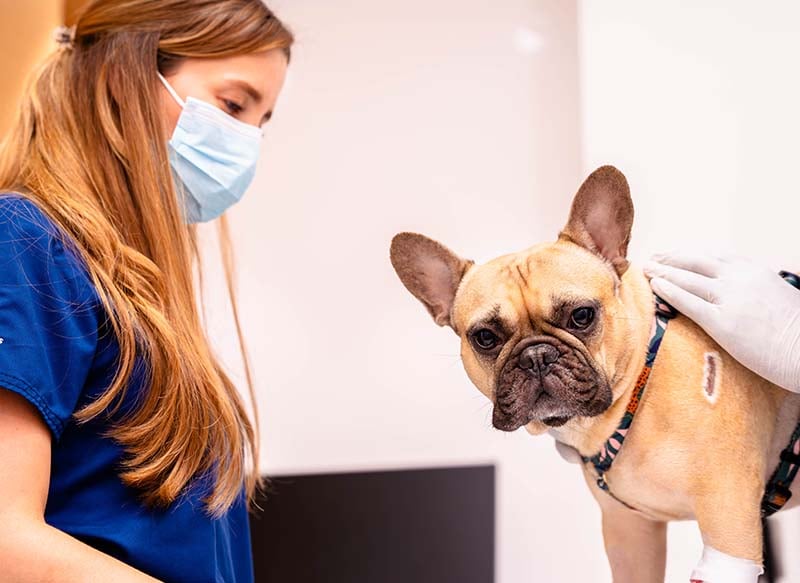
Taking your pet to the vet in Los Altos can feel overwhelming. You want the best care, but understanding the process helps ease your mind. This blog outlines four steps in a standard veterinary wellness exam. First, your vet will ask about your pet’s past health and routine. This helps pinpoint any changes. Next, the physical exam begins. The vet checks eyes, ears, and mouth for signs of issues. They also listen to the heart and lungs, providing valuable insights. Then, your vet may recommend simple tests. Blood or urine tests check for hidden conditions. Finally, your vet discusses the findings and suggests any needed actions. These may include vaccines or diet changes. Knowing these steps helps you prepare and ensures your pet gets the best care possible. Compassionate and clear communication with your vet not only eases stress but also supports your pet’s health journey.
Step 1: Gathering Health and Routine Information
Your vet begins by asking about your pet’s health history and daily routine. This step is crucial for identifying any changes since the last visit. It’s important to mention any new behaviors, changes in eating habits, or signs of discomfort. Your insights provide the vet with a starting point for the exam. According to the American Veterinary Medical Association, sharing detailed information helps in tailoring the exam to your pet’s unique needs.
Step 2: Conducting the Physical Exam
The physical exam is thorough and covers all basics. The vet checks your pet’s eyes, ears, and mouth. They look for signs of infection or abnormalities. Listening to the heart and lungs gives a snapshot of your pet’s cardiovascular and respiratory health. These checks are vital in detecting issues early. Here’s a table summarizing common checks during this step:
| Body Part | What the Vet Checks |
|---|---|
| Eyes | Signs of redness, cloudiness, or discharge |
| Ears | Redness, odor, or wax build-up |
| Mouth | Gum color, tartar, or broken teeth |
| Heart | Abnormal sounds or rhythms |
| Lungs | Breathing patterns or wheezing |
Step 3: Recommending Necessary Tests
Based on the exam, your vet may suggest tests to uncover hidden health issues. Blood tests and urine analysis provide a deeper insight into your pet’s overall health. These tests can identify conditions like diabetes or kidney problems early, which is crucial for effective management. The Ohio State University states that regular testing is key in maintaining pet health.
Step 4: Discussing Findings and Next Steps
After the exam and tests, the vet discusses the findings with you. This conversation includes suggestions for vaccinations, diet adjustments, or further treatments if needed. Understanding your pet’s condition and the necessary steps for care creates a partnership between you and your vet. Routine care is effective after treatment, ensuring your pet stays healthy and happy.
Final Thoughts
Understanding the steps in a veterinary wellness exam eases the stress of vet visits. Preparing for the appointment and engaging with your vet ensures a positive experience for you and your pet. Regular exams are a cornerstone of preventive health, helping catch potential issues early and keeping your pet healthy for years to come.
