
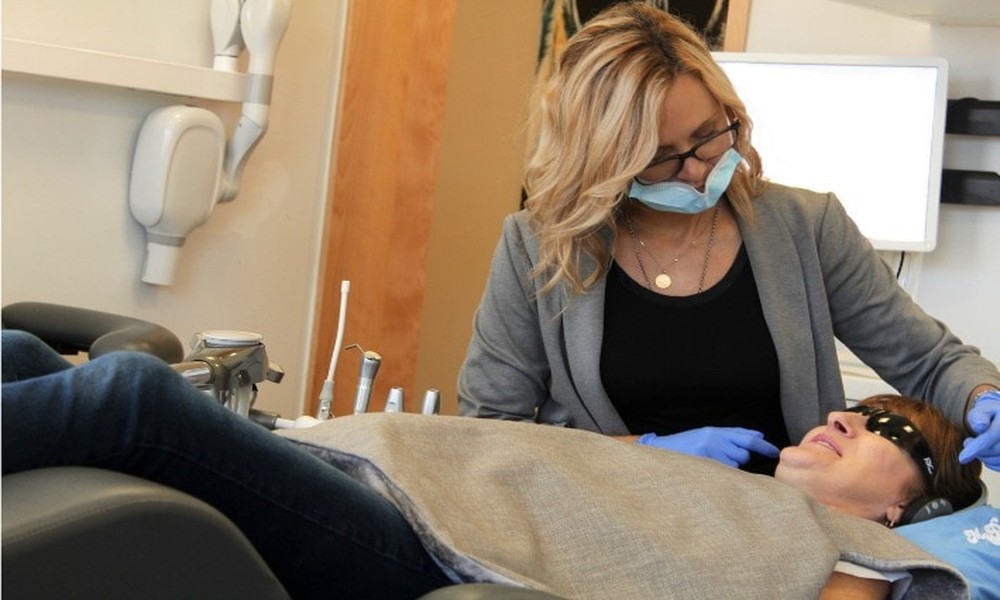
Dental visits can feel painful when lights, sounds, tastes, and touch hit you all at once. You might gag during X rays. You might flinch at the sound of the drill. You might feel panic before you even sit in the chair. Many people with autism, ADHD, PTSD, or chronic pain live with this burden. So do many children and older adults. A special needs dentist in San Jose, CA understands that your senses shape your experience. The team does not expect you to “tough it out.” Instead, they change the space, the schedule, and the steps of care to match your needs. They lower noise. They adjust lighting. They use clear and honest words. They give you choices. This blog explains how dental teams adapt care for sensory needs so you can plan visits that feel calmer, safer, and more under your control.
Why sensory overload hits so hard at the dentist
A dental visit often brings many triggers at once. You face bright lights in your eyes. You hear high pitched tools. You taste sharp flavors. You feel pressure in your mouth and on your face. You smell cleaning products. Your body may react before your mind can explain why.
People with autism, ADHD, anxiety, PTSD, or certain medical conditions often feel these inputs more strongly. The mouth is a sensitive part of the body. Touch there can feel hard to manage. The National Institute of Dental and Craniofacial Research notes that sensory issues are common during dental care for people on the autism spectrum. You are not “too sensitive.” Your nervous system is working hard to protect you.
How dental teams prepare before you arrive
Good care for sensory needs starts before you walk through the door. You can expect the office to plan with you. You can ask for changes that help you stay steady.
Many teams offer
- Pre visit phone calls to learn your triggers and your coping tools
- Photo tours or short videos that show the office and staff
- First visit as a “get to know you” visit with no treatment
- Longer appointment times so you never feel rushed
- First or last slots of the day to avoid crowds and noise
You can bring a short list of what helps you. For example
- “I need dim lights and no music.”
- “I need my headphones and a weighted lap pad.”
- “I need a clear count before each step.”
The team can then set up the room before you arrive. This reduces surprises and stress.
Adapting the space for your senses
The treatment room can change in many simple ways. These changes can lower your body’s alarm response.
- Lights. The team can use lower light, turn off the ceiling light, or aim the light away from your eyes until needed.
- Sounds. The team can turn off music, close doors, and use quieter tools when possible.
- Smells. The team can limit strong scents and use unscented cleaning products when possible.
- Touch. The team can offer a blanket, a weighted lap pad, or a neck pillow.
- Movement. The team can let you sit up between steps and stretch your hands or feet.
Some offices also offer sunglasses, noise blocking headphones, or small fidgets. These supports can give your body a sense of control.
Changing how care is given
Dental teams also adjust how they speak and how they work so that you feel safe. The focus shifts from “get it done” to “go at your pace.” The Centers for Disease Control and Prevention stresses that clear communication and flexible care improve oral health for people with disabilities. The same holds true for sensory needs.
Teams often use three simple steps
- Tell. They say what they will do in plain words.
- Show. They show the tool or let you touch it with your hand.
- Do. They do the step while checking in with you.
You can also agree on a signal to pause. A raised hand or two taps on the chair can mean “stop now.” The team then checks on you and waits for your clear “ok” to start again.
Common sensory triggers and simple adaptations
|
Sensory trigger |
How it might feel |
Possible adaptations |
|---|---|---|
|
Bright overhead light |
Stabbing light in eyes. Hard to keep eyes open. |
Sunglasses. Dimmed light. Light aimed at mouth only. |
|
High pitched tools |
Need to cover ears. Rising panic. |
Noise canceling headphones. Earplugs. Shorter tool use. |
|
Strong tastes |
Gagging. Nausea. Refusal to open mouth. |
Mild or flavor free paste. Small amounts of water. Slow suction. |
|
Touch in mouth |
Feeling trapped. Urge to bite or pull away. |
Short breaks. Clear counting. Smaller tools when possible. |
|
Body position in chair |
Dizzy. Off balance. Fear when fully reclined. |
Less recline. Extra neck support. Time to sit up between steps. |
Supporting children and caregivers
Children with sensory needs often watch adults for cues. Calm and clear support from caregivers can change the whole visit. You can
- Practice at home with a toothbrush and a small mirror
- Use a story or picture schedule that shows each step
- Bring a comfort item such as a toy, hoodie, or small pillow
- Agree in advance who will speak for the child and who will offer comfort
You can also ask the team to speak directly to your child in simple words. This helps your child feel seen and heard.
Planning for longer or complex care
Some visits need more time. For example fillings, extractions, or deep cleanings. When sensory needs are strong, the team can
- Split care into shorter visits
- Use numbing gel before numbing shots
- Offer medication for anxiety when safe and agreed upon
- Schedule a “trial run” of tools before the real visit
This approach reduces the chance of sudden panic or shutdown. It helps you build trust step by step.
How you can speak up for your needs
You deserve care that respects your body and your senses. You can
- Tell the office when you book that you have sensory needs
- Bring a written plan that lists triggers and supports
- Ask for the same staff when possible
- End the visit early if your body reaches its limit
Each time you speak up, you teach the team more about how to support you. Over time, visits can feel less like a threat and more like a shared task you can handle together.
