
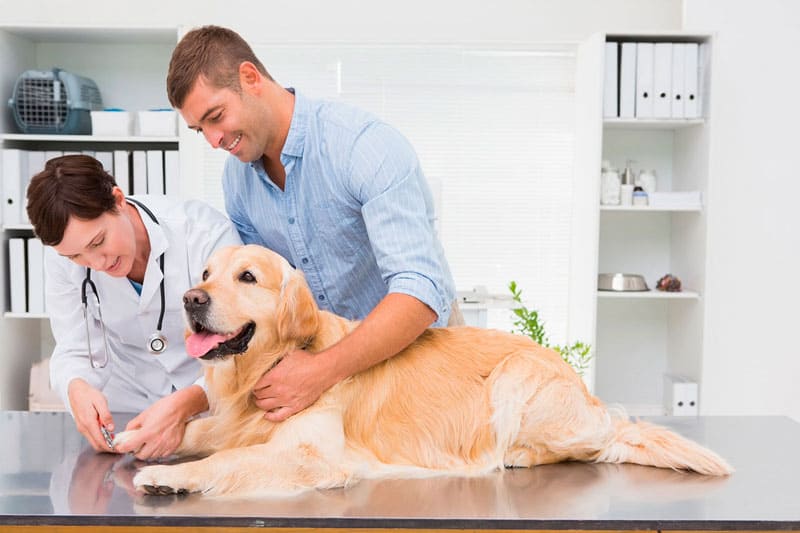
Vet visits can stir up real fear for your pet. You see the shaking, the hiding, the wide eyes. You feel your own stomach tighten. You want to help, but you may not know where to start. You are not alone. Many pets link the clinic with pain, loud sounds, and strange smells. That stress can make care harder for them and harder for you. The good news is you can change that pattern. With steady steps before, during, and after each visit, you can teach your pet that the vet is safe. This guide shares 6 clear tips you can use with any clinic or with your veterinarian in Manhasset, NY. You will learn how to prepare at home, what to bring, how to handle the lobby, and how to comfort your pet during exams. Your calm plan can turn fear into trust.
1. Teach the carrier or car to feel safe
Your pet often starts to panic long before you reach the clinic. The carrier or the car ride can trigger fear. You can change that link.
For cats and small dogs:
- Keep the carrier out all the time. Leave the door open.
- Place soft bedding and a few treats inside.
- Feed a snack or a small meal near or inside the carrier.
- Pick up the carrier for a few seconds, then set it down. Give a treat.
For larger dogs:
- Help your dog into the car for short sits in the driveway.
- Give a treat, then bring your dog back inside.
- Take short, calm rides that do not end at the clinic.
You can also ask your veterinarian about pheromone sprays for the carrier or car. The National Institutes of Health shares studies that show pheromones can help reduce fear in some animals.
2. Practice gentle “mock visits” at home
You can copy simple exam steps at home so the clinic does not feel strange.
- Touch ears, paws, tail, and belly for one second. Then give a treat.
- Lift a lip to look at teeth. Treat again.
- Use a soft towel to wrap your cat for a second. Then release and treat.
- Place your dog on a mat and touch the shoulders and back while feeding treats.
Keep each session short. Stop before your pet pulls away. You want your pet to think, “When you touch me like this, good things happen.” Over time, your pet will handle exam touches with less fight and less fear.
3. Plan food, timing, and supplies
A small change in timing can lower stress.
- For healthy pets, ask if you can skip a meal or give a smaller meal before the visit. A slightly hungry pet often takes treats more easily.
- Bring soft treats your pet loves. Cut them into tiny pieces.
- Bring a favorite blanket, toy, or T shirt that smells like home.
- For cats, cover the carrier with a light towel during travel.
Also plan your own schedule. Try to pick a time of day when you do not feel rushed. Your pet reads your body. A calm body and slow voice help your pet feel safe.
Common Stress Signs And Simple Responses
| Stress sign | What you see | What you can do |
|---|---|---|
| Panting or fast breathing | Mouth open, chest moving fast | Speak softly. Offer a treat. Ask to wait in the car if the lobby is loud. |
| Hiding or freezing | Curling in the back of the carrier or under a chair | Do not pull. Let the vet team move your pet with towels or gentle handling. |
| Growling or hissing | Warning sounds, stiff body | Stay quiet. Do not punish. Tell staff what your pet does not like. |
| Shaking | Body tremors, tucked tail | Hold or sit near your pet if safe. Offer treats. Ask about anxiety medicine for next time. |
4. Use the lobby and exam room to protect your pet’s space
The lobby can feel like chaos. You can guard your pet from extra stress.
- Keep cats in carriers off the floor. Place the carrier on a chair or your lap.
- Keep your dog on a short leash close to your body.
- Do not let other people or pets walk up without your clear yes.
- If the lobby feels crowded, ask if you can wait in your car until the room is ready.
In the exam room, tell the team what your pet fears. You can say, “He hates nail trims” or “She does better if I hold her.” Staff can adjust the plan. The Centers for Disease Control and Prevention explains that calm, safe handling protects your pet and your family.
5. Work with your vet on calming tools
You do not need to handle this alone. You can ask about more help.
- Calming medicine before visits for very scared pets
- Pheromone sprays or wipes for carriers and exam rooms
- Anti slip mats on exam tables for better footing
- Longer visits or quiet times of day for nervous pets
Some pets need medicine to stay safe and calm. That is not a failure. That is care. You protect your pet from panic and protect staff from bites or scratches. You also make exams more clear and more accurate.
6. End each visit with comfort and a clear plan
The visit does not end at the payment desk. You can shape how your pet remembers the day.
- Give several treats in the exam room right after the exam ends.
- Speak in a slow, low voice as you leave.
- At home, offer quiet time in a safe space. Do not force play.
- Use praise and treats when your pet eats, uses the box, or goes outside.
Before you leave the clinic, ask staff when you should come back and what you should watch for at home. A clear plan reduces your stress and keeps your pet on track.
Closing thoughts
You cannot erase every hard part of a vet visit. You can still lower fear in real ways. You can shape the carrier. You can shape the car ride. You can shape the lobby and the exam room. Step by step, your pet can learn that you will protect them. That trust is the strongest medicine you can give.
