
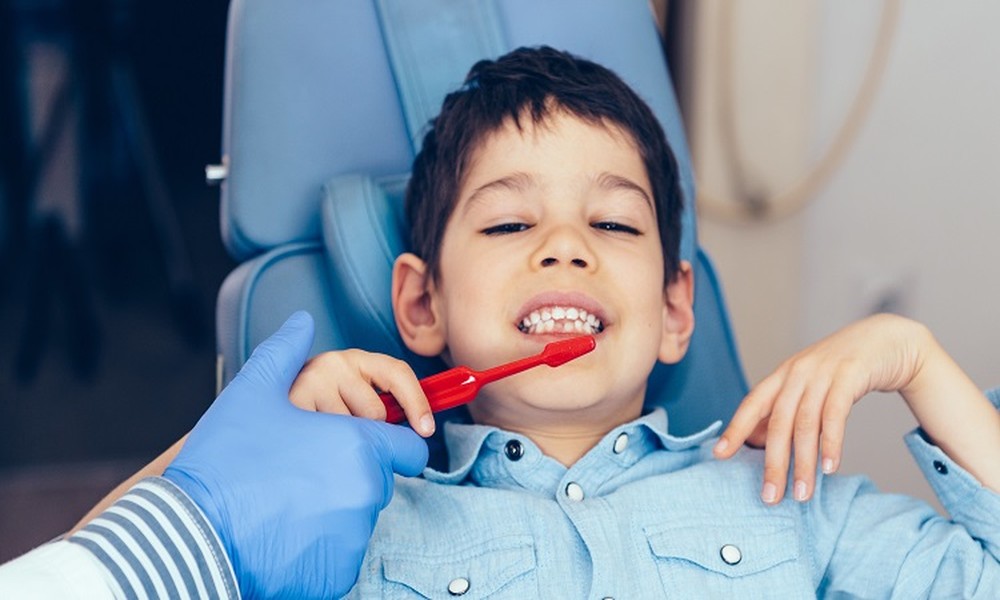
You might be feeling a mix of worry and guilt every time your child says, “My tooth hurts,” or when you see a new dark spot on their teeth. An experienced Santa Rosa family dentist understands these concerns. You brush with them, you try to limit sugar, yet it still feels like you are always one step behind. It can be exhausting to wonder if you are doing enough to protect your child’s smile.end
The truth is, you are not alone. Many parents try their best at home, but children’s teeth are more fragile than they look, and everyday habits add up fast. The good news is that modern pediatric and general dentist care offers several simple preventive services that quietly do a lot of the heavy lifting in protecting kids’ teeth long before problems show up.
In short, if you focus on a few key tools like fluoride, sealants, cleanings, early checkups, and education, you can dramatically lower your child’s risk of cavities and dental pain. You do not have to be perfect. You just need a clear plan and a supportive dental team.
Why does protecting kids’ teeth feel so hard, and what is really going on?
On paper, it sounds simple. Brush twice a day, floss, and avoid too much sugar. In real life, you are dealing with busy mornings, tired evenings, picky eaters, and kids who would rather do almost anything than stand at the sink for two full minutes.
Because of this tension, you might wonder why your child still gets cavities even though you are trying. A few reasons are very common.
Children’s enamel is thinner than adult enamel, so cavities can form faster. Many kids snack throughout the day, which keeps sugar on their teeth for longer stretches. And sometimes, the first tiny spots of decay are invisible to you at home but obvious to a trained eye in the dental chair.
So where does that leave you? It means home care is essential, but it is only half the story. Preventive dental services are the other half that fills in the gaps you simply cannot cover on your own.
What are the 5 key preventive services that protect children’s oral health?
When people talk about preventive dental care for kids, they are usually referring to a cluster of services that work together. Think of these as layers of protection rather than one magic fix.
1. Regular dental checkups and cleanings
Routine visits, usually every six months, are the foundation. During these visits, the dental team checks for early signs of cavities, gum problems, alignment issues, and even habits like thumb sucking or mouth breathing that can affect growth.
Professional cleanings remove plaque and tartar that a toothbrush simply cannot reach, especially along the gumline and between teeth. This matters because untreated plaque can irritate the gums and increase the risk of cavities.
Guidelines like the Bright Futures oral health recommendations encourage starting dental visits by age one or within six months of the first tooth. Early visits are not just about cleaning. They are about building comfort and catching issues before they become emergencies.
2. Fluoride treatments for stronger enamel
Fluoride is a natural mineral that helps rebuild and harden tooth enamel. When applied in the dental office as a varnish, gel, or foam, it can slow down or even stop early decay.
Children who are at moderate or high risk for cavities often benefit from fluoride treatments every three to six months. This is especially helpful if your child loves snacks, has braces, or struggles to brush well on their own.
The CDC’s oral health tips for children explain how fluoride, both in toothpaste and in-office treatments, lowers cavity risk. When you combine daily brushing with a pea-sized amount of fluoride toothpaste and periodic professional treatments, you give your child’s teeth a real advantage.
3. Dental sealants on back teeth
Sealants are thin, protective coatings that a general dentist or pediatric dentist paints onto the chewing surfaces of the back teeth. These teeth have deep grooves where food and bacteria love to hide. Even with good brushing, these grooves can be hard to clean.
Sealants act like a shield over those grooves. They keep food and germs out and make the tooth surface smoother and easier to brush. Research shows that sealants can reduce the risk of cavities in molars by a large margin, especially in school-age children.
They are quick, painless, and do not require any drilling. For many children, sealants are one of the most effective and least stressful ways to prevent decay in the teeth that do the most chewing.
4. Early orthodontic and growth assessments
You might not think of braces or bite checks as a part of preventing cavities. Yet the way teeth line up affects how easily they can be cleaned. Crowded, overlapping, or rotated teeth create tight spaces where plaque and food sit undisturbed.
During routine visits, the dentist checks how your child’s teeth and jaws are developing. If needed, they may suggest an early orthodontic evaluation. Sometimes simple guidance or minor treatment at a younger age can create more room for permanent teeth and lower the risk of future problems, including decay and uneven wear.
This is not about rushing into full braces. It is about keeping an eye on growth so that your child’s mouth is easier to keep clean in the long run.
5. Personalized oral health education and coaching
Information alone does not change habits. Support does. A good dental visit includes simple, personalized coaching that fits your child’s age and personality.
That might mean showing your child how to angle the toothbrush, pointing out “sugar bugs” on a disclosing tablet, or talking with you about realistic snack swaps. It can also involve discussing thumb sucking, nighttime bottles, sports mouthguards, or dry mouth from certain medicines.
Trusted resources, such as the NIDCR oral health information for children, can reinforce what you hear in the office and give you ideas to try at home.
How do the benefits of preventive services compare to the risks of waiting?
When you are juggling schedules and budgets, it is natural to ask yourself whether you can postpone a cleaning or skip sealants. A simple way to think about it is to compare what prevention looks like versus what treatment looks like after problems appear.
| Aspect | With Preventive Services | Without Preventive Services |
|---|---|---|
| Likelihood of cavities | Lower, especially with fluoride and sealants | Higher, especially in back teeth and tight spaces |
| Type of visits | Short, planned checkups and cleanings | Unplanned emergency visits for pain or infection |
| Child’s experience | Gradual comfort with the dental office | Higher fear due to painful procedures |
| Common treatments | Fluoride, sealants, simple polishing | Fillings, crowns, extractions, possible sedation |
| Long-term cost | More predictable and generally lower over time | Can be higher because treatment is more complex |
When you see it this way, children’s preventive dentistry is not just about clean teeth. It is about fewer crises, less fear, and more control for your family.
What can you do right now to protect your child’s teeth?
You do not need to change everything overnight. A few focused steps can make a real difference.
1. Schedule or confirm your child’s next preventive visit
If your child has not seen a dentist in the last six months, start there. Ask specifically about fluoride treatments, sealants for permanent molars, and any early signs of crowding or bite issues. Bring a short list of questions so you leave with a clear plan.
2. Strengthen your home routine in small, realistic ways
Choose one or two changes you can actually stick with. For example, brush twice a day with a fluoride toothpaste and supervise until at least age 7 or 8. Limit grazing on sugary snacks and drinks between meals. Use a simple timer or a favorite song to make brushing more consistent rather than a power struggle.
3. Partner with your dental team for personalized guidance
Every child is different. Talk openly with your general dentist about your child’s habits, fears, and any challenges you face at home. Ask what your child’s specific risk level is and which preventive services matter most for them. A good plan feels doable, not overwhelming.
Moving forward with more confidence
Protecting your child’s oral health does not require perfection, and it does not fall entirely on your shoulders. When you combine steady home care with smart preventive dental services for children, you give your child fewer cavities, less pain, and a healthier relationship with the dentist.
You are already trying, which means you are already on the right path. The next step is simply to use the tools available to you so that your child’s smile has the protection it deserves.
