
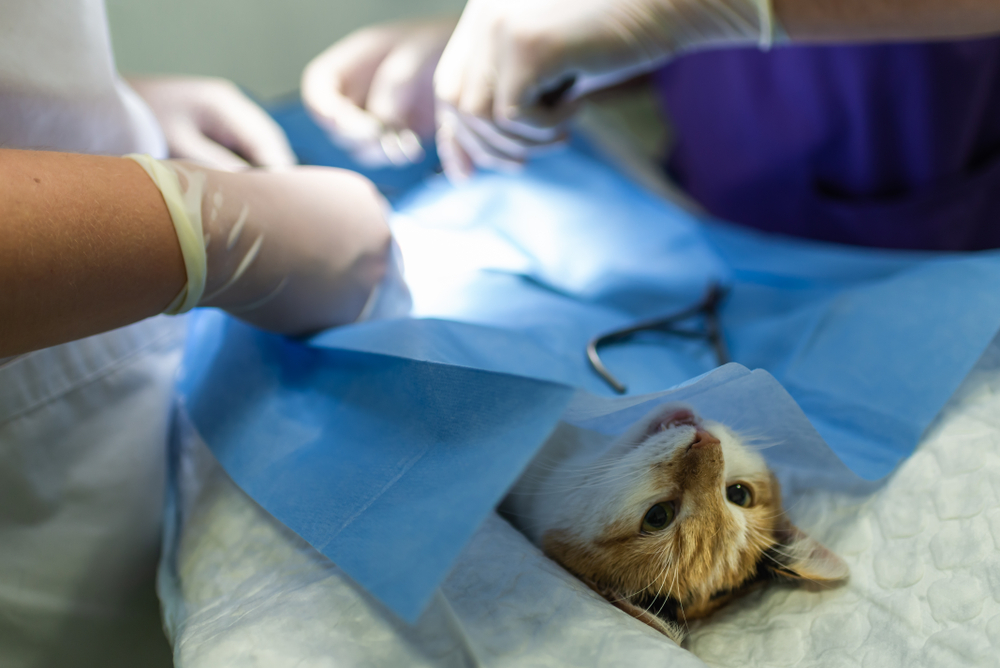
Your pet depends on you to notice pain, fear, and changes that do not feel right. Sometimes medicine is not enough. Then surgery becomes the safest choice. At an animal hospital, certain procedures happen every day. That routine can feel frightening when it is your pet on the table. You may worry about anesthesia, recovery, or cost. You may fear making the wrong choice. A veterinarian in Fulshear, TX can walk you through each step so you do not feel alone or rushed. This blog explains four common surgeries that help pets live with less pain and more comfort. You will see why these surgeries are done, what usually happens, and what you can do before and after. You deserve clear answers. Your pet deserves steady care.
1. Spay and neuter surgery
Spay and neuter procedures are the most common surgeries for dogs and cats. Spay surgery removes the ovaries and usually the uterus in female pets. Neuter surgery removes the testicles in male pets. These surgeries prevent pregnancy. They also lower the chance of certain cancers and infections.
According to the American Veterinary Medical Association, spaying before the first heat cycle reduces the risk of mammary cancer in dogs and cats.
During a typical spay or neuter visit, you can expect three steps.
- Pre surgery exam and blood work to check organ function
- Anesthesia and surgery with monitoring of heart rate and breathing
- Recovery with pain control and an e collar to protect stitches
Most pets go home the same day. You protect the incision, limit running and jumping, and give pain medicine as directed. In about ten to fourteen days, your pet returns for a quick recheck.
2. Dental cleaning and tooth extraction
Dental surgery is the second common type of surgery. Many pets need a deep cleaning under the gums. Some need one or more teeth removed. Gum disease causes pain, infection, and tooth loss. It can also strain the heart, liver, and kidneys.
The cleaning happens under general anesthesia. The team takes dental x rays, cleans above and below the gum line, and checks each tooth. Teeth that are loose, broken, or infected are removed to stop pain and infection. The U.S. Food and Drug Administration offers clear tips on daily tooth care for pets.
At home, you help your pet heal by
- Feeding soft food for a few days if teeth were removed
- Keeping toys gentle and avoiding tug games until your veterinarian says it is safe
- Starting regular tooth brushing once the mouth has healed
3. Mass removal surgery
Many dogs and cats grow lumps on the skin or just under it. Some are harmless fatty growths. Others are cancer. You cannot tell by looking. Mass removal surgery lets your veterinarian send tissue to a lab for testing. This testing shows what the mass is and whether more treatment is needed.
Before surgery, your veterinarian may measure the lump, take a sample with a needle, and run blood tests. During surgery, the mass and a small margin of normal tissue are removed. The tissue is sent to a pathologist for review. You get a report that explains the type of mass and whether it was fully removed.
After surgery, you keep your pet from licking or scratching the stitches. You also limit running and rough play. You watch for swelling, redness, or discharge. You contact the clinic if you see any of those signs.
4. Foreign body removal
Pets explore with their mouths. They may swallow toys, string, rocks, socks, or bones. These objects can block the stomach or intestines. A blockage is an emergency. It causes vomiting, loss of appetite, belly pain, and weakness. Without fast care, it can be deadly.
Your veterinarian uses x rays or ultrasound to find the object. In some cases, it can be removed with an endoscope through the mouth. In other cases, your pet needs abdominal surgery. The surgeon opens the stomach or intestine and removes the object.
After surgery, your pet stays in the hospital for monitoring, fluids, and pain control. At home, you feed small, bland meals and watch for vomiting or changes in stool. You also pet proof your home. You keep trash, small toys, string, and bones out of reach.
Comparison of common pet surgeries
| Surgery type | Common reason | Typical age | Average home recovery time | Day of surgery stay |
|---|---|---|---|---|
| Spay or neuter | Prevent pregnancy. Lower cancer risk. | 4 to 12 months | 10 to 14 days | Same day |
| Dental cleaning and extractions | Treat gum disease. Remove painful teeth. | Middle age and older | 3 to 7 days | Same day |
| Mass removal | Test and remove lumps. | Any age | 10 to 14 days | Same day or one night |
| Foreign body removal | Remove swallowed object. | Any age | 10 to 21 days | One to several nights |
How to prepare your pet for surgery
You can lower risk and stress with three simple steps.
- Follow fasting instructions. Do not give food after the time your veterinarian sets. Ask about water and medicine.
- Share your pet history. Tell the team about seizures, allergies, past reactions, and current drugs or supplements.
- Plan the ride home. Bring a secure carrier or leash and a blanket. Keep the car quiet and calm.
What to watch for after surgery
After any surgery, you watch three things.
- Incision. Check for redness, swelling, odor, or discharge.
- Behavior. Notice if your pet is restless, crying, or very still.
- Eating and bathroom habits. Call if your pet will not eat, vomits, or cannot pass stool or urine.
You know your pet best. If something feels wrong, contact your veterinarian or an emergency clinic right away. Surgery is serious, yet it is often the kindest choice. With clear information, careful planning, and close follow up, you give your pet a safer path through surgery and a return to daily life.
