
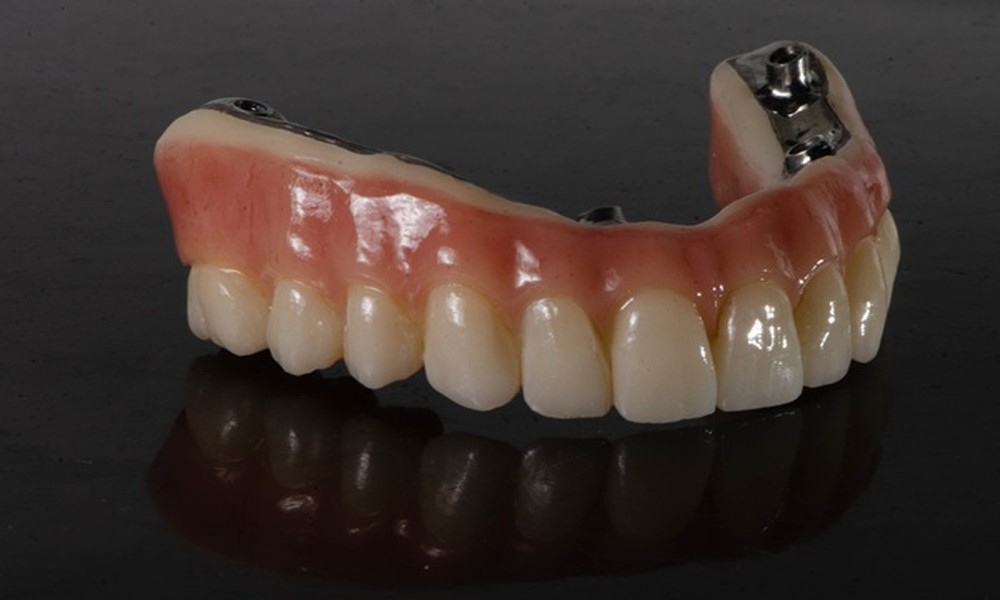
Missing teeth can drain your energy. You may struggle to eat, speak, or even smile in public. Traditional dentures often slip. They rub your gums and force you to avoid many foods. Implant supported dentures offer a different path. Small posts in your jaw hold your denture in place. You gain a stronger bite, clearer speech, and a steady smile. You also protect the shape of your face, since implants help keep your jawbone active. This brings back more than chewing. It restores daily confidence. If you wear loose dentures now, or you live with gaps after extractions, you have options. You can ask your dentist about Dentures in Vanier, Ottawa and learn if implants are right for you. The benefits reach your mouth, your routine, and your sense of self. The next sections explain four clear ways implant supported dentures can change your life.
1. Better chewing and food choices
Loose dentures can turn every meal into work. You may avoid meat, raw vegetables, or crusty bread. You may chew on one side and swallow large pieces of food. That can upset your stomach and limit your nutrition.
Implant supported dentures lock onto posts in your jaw. That gives you a stronger bite. You can chew with both sides of your mouth. You can cut food with your back teeth instead of your tongue and lips.
This change helps you:
- Eat a wider range of foods
- Spend more time chewing and less time worrying
- Take in more protein, fiber, and fresh produce
You protect your body when you can eat well. The National Institutes of Health explains how tooth loss and poor chewing can affect diet and health over time.
2. Clearer speech and fewer slips
Speech depends on steady teeth. Loose dentures can click, lift, or drop when you speak. You may avoid certain words. You may talk less in groups. That silence can harm your work and your relationships.
Implant-supported dentures do not rely on suction or glue. The posts act like anchors. Your denture stays in one place when you talk, laugh, or cough. Your tongue can move in a steady space. That helps sound travel cleanly.
With this support you can:
- Say words with “s,” “f,” and “th” without worry
- Read aloud to children or grandchildren with comfort
- Join calls and meetings without fear of a slip
Strong speech helps you stay active in your family and community. It also protects your sense of dignity.
3. Support for your jawbone and face shape
When teeth are lost, the jawbone in that spot starts to shrink. The bone no longer gets pressure from chewing. Over time, your face can look sunken. Your chin may move closer to your nose. Your denture may feel looser each year.
Implants act like new tooth roots. They press on the bone when you chew. That pressure signals your body to keep the bone strong. You keep more of the natural height in your jaw. Your lower face holds its shape longer.
This support can mean:
- Fewer denture relines and remakes
- Less sagging in your cheeks and lips
- A profile that looks more like you remember
The National Institute of Dental and Craniofacial Research describes how tooth loss affects bone and face shape.
4. Every day confidence and routine comfort
Tooth loss is not just a mouth problem. It can touch your sleep, your social life, and your mood. Many people feel shame or fear after years with loose dentures. They may avoid hugs, photos, or even windy days.
Implant-supported dentures give you a more stable base. You can wake up, clean your mouth, and place your denture without thick glue. You can eat breakfast, speak, and go out with fewer worries about sudden slips.
This daily steadiness helps you:
- Smile in photos without covering your mouth
- Accept invitations to meals and events
- Focus on people instead of your teeth
That shift brings relief. It turns constant worry into quiet trust in your bite.
Comparison: traditional dentures and implant-supported dentures
The table below compares common features of traditional dentures and implant-supported dentures. Each person is different, yet these patterns are common.
|
Feature |
Traditional dentures |
Implant supported dentures |
|---|---|---|
|
Bite strength |
Lower bite force. Many hard foods are avoided |
Higher bite force. More foods back on your plate |
|
Stability in mouth |
May slip or move, especially lower denture |
Anchored to implants. Less movement |
|
Bone support |
No direct support for jawbone |
Helps preserve bone at implant sites |
|
Use of glue |
Often needs daily adhesive |
Little or no adhesive needed |
|
Speech |
May click or shift during speech |
Clearer speech due to steady fit |
|
Comfort over time |
Fit can worsen as bone shrinks |
Fit stays more stable with bone support |
|
Cleaning routine |
Removed for cleaning. Adhesive to scrub off |
Similar cleaning. Often quicker and cleaner |
Is implant support right for you
Not every person can receive implants. Your gums must be healthy. Your jawbone must be strong enough to hold the posts. Your medical history also matters. Some conditions and medicines affect healing.
A full exam and clear X-rays help your dentist plan. You can expect a review of your health, your current denture, and your goals. You can ask about cost, time, and the number of visits. You can also discuss ways to ease the fear of dental work.
The choice is personal. You deserve clear facts and patient guidance. With the right plan, implant-supported dentures can give you stronger chewing, clearer speech, steady bone support, and calm daily confidence.
