
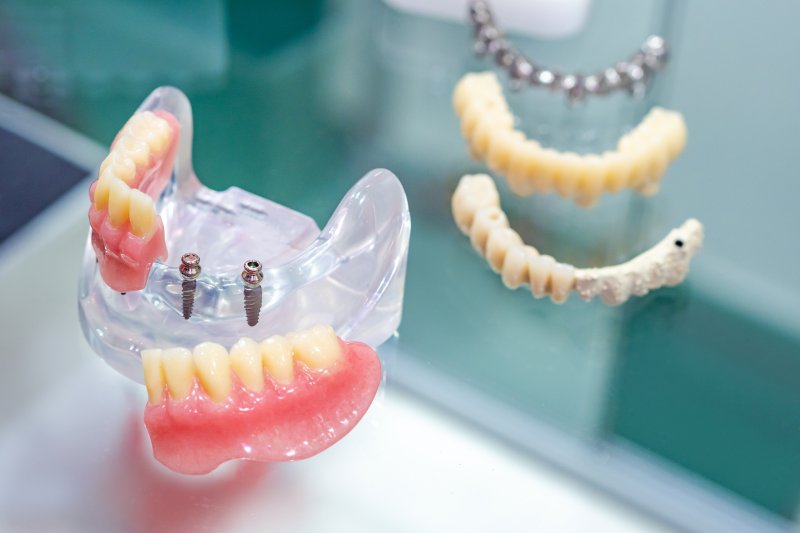
Thinking about dental implants can be daunting. It’s an investment in your health and confidence. Are you wondering if you’re the right fit? Dental implants may be the best choice if you’re missing teeth or struggle with dentures. Here are three signs you might be an ideal candidate. First, you have healthy gums. Healthy gums are essential for success. Second, a strong jawbone. Your jaw needs to support the implant securely. Third, a commitment to oral care. This ensures long-lasting results. If these sound like you, it’s time to take action. Consult a dentist in Great Falls to discuss your options. A professional can assess your situation and guide you. Dental implants can change your life. They improve both function and appearance. Consider this option if you’re ready to make a positive change. Dental implants provide convenience and peace of mind. Your smile deserves the best care possible.
Sign 1: Healthy Gums
Healthy gums are the foundation of successful dental implants. They hold the implant in place and prevent infection. If your gums are healthy, they will heal faster and adapt to the implant more easily. This reduces complications and ensures a smoother process. Maintaining healthy gums involves regular brushing, flossing, and dental check-ups. Gum health is crucial because it affects how well the implant integrates with your jawbone. If your gums show signs of disease, it’s important to address this first. Treatment can help restore gum health and make you a better candidate for implants.
Sign 2: Strong Jawbone
A strong jawbone is essential for dental implants to work. The bone must be able to support the implant firmly. Over time, missing teeth can cause the jawbone to weaken or shrink. If you have a strong jawbone, implants can be placed securely. However, if your jawbone is not strong enough, there are options to consider. Bone grafts can help rebuild and strengthen the bone. This improves the chances of success with dental implants. Discuss your bone health with your dentist to determine the best approach.
Sign 3: Commitment to Oral Care
Your long-term results depend on your oral care routine. Commitment to maintaining oral health is key for implants to last. Regular dental visits are crucial for monitoring the implants and surrounding tissues. Daily brushing and flossing keep your mouth healthy and prevent complications. A commitment to oral care also involves avoiding habits that can harm your implants, such as smoking or neglecting routine hygiene. Your dedication to oral care supports the longevity and success of dental implants.
Understanding Your Options
Considering dental implants is a big decision. Understanding how they work and what they require helps in making the right choice. Dental implants offer a permanent solution for missing teeth. They look and function like natural teeth, providing comfort and convenience. Unlike dentures, they require no special adhesives or daily removal. Implants can enhance your quality of life by restoring your ability to chew and speak properly. They also prevent bone loss and maintain facial structure.
Comparison: Dentures vs. Implants
| Feature | Dentures | Dental Implants |
|---|---|---|
| Stability | Can shift in the mouth | Fixed in the jawbone |
| Comfort | May cause gum irritation | Feels like natural teeth |
| Maintenance | Requires adhesives | Regular oral hygiene |
| Longevity | Lasts 5-10 years | Can last a lifetime |
Next Steps
If you meet these criteria, your next step is consulting with a dental professional. They can provide a thorough assessment and discuss your needs. Consider reaching out to a National Institute of Dental and Craniofacial Research affiliated dental expert for guidance. They can help you understand the process and what to expect. Knowledge and preparation make the journey smoother. Ask questions and express concerns. A well-informed decision leads to successful outcomes. Remember, your smile is valuable, and so is your health.
