
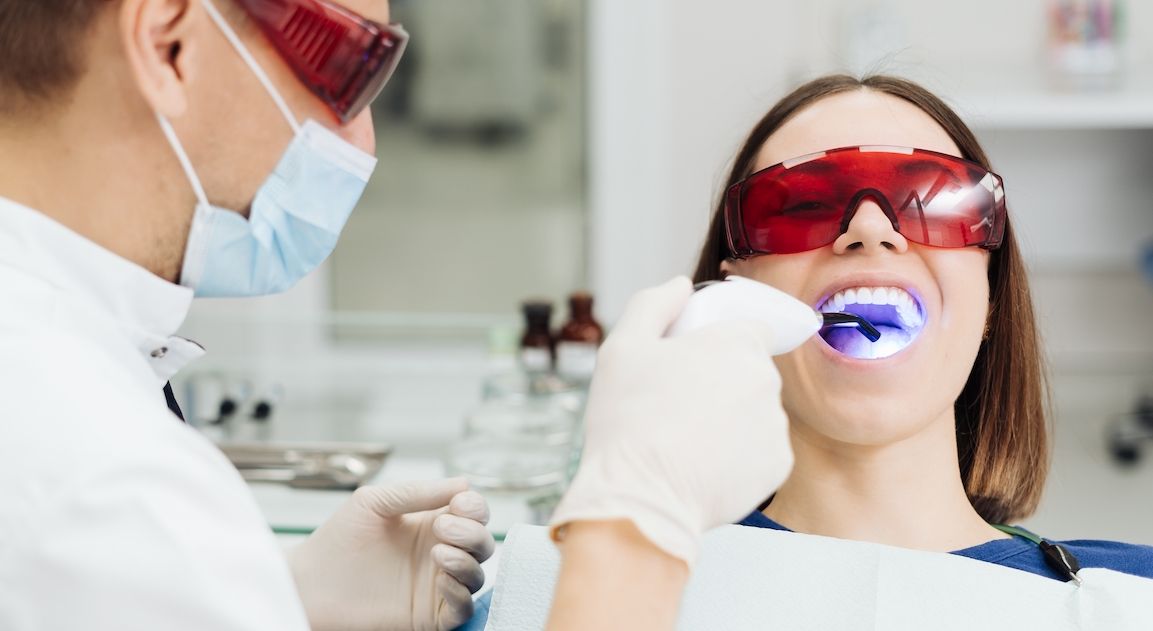
Caring for teeth across three or four generations in one family can feel complex. Different ages need different support. Children need early guidance. Adults juggle busy schedules and long to-do lists. Older adults face health changes that affect the mouth. Technology now pulls these needs together and cuts confusion. Digital records follow your family. Online booking reduces phone tag. Simple reminder systems help you keep appointments. Secure messages let you ask questions without waiting days. In many clinics, including your dentist in Markham, new tools also improve comfort in the chair. You see clearer images. You get clearer answers. You spend less time guessing and more time deciding what works for your family. This blog explains how these tools support you, your parents, and your children. It shows how smart use of technology can reduce stress and protect your family’s teeth over a lifetime.
How digital records support every generation
Paper charts get lost. Digital records stay organized. They hold your family’s history in one secure place. Your child’s first visit, your own past fillings, and a grandparent’s health changes sit in one file.
That record can include:
- Medical history for each person in the family
- Medication lists that can affect mouth health
- X-rays and photos that show changes over time
This helps your dental team spot patterns. A dentist can see early crowding in a child. The same dentist can monitor gum health in a parent. The dentist can also watch bone changes in a grandparent. You get one clear story instead of scattered notes.
The move to electronic health records is common in health care. You can see this trend in data from the Office of the National Coordinator for Health IT, which tracks how digital records support safer care.
Scheduling tools that respect real life
Many families miss care because booking takes too much effort. Technology cuts that barrier. You can often:
- Book or change visits online at any time
- Receive text or email reminders
- Confirm visits with one click
This helps when you manage work, school, and medical visits for more than one person. You can group visits for siblings. You can match a grandparent’s visit with your own. You can shift plans fast when life changes.
Comparison of traditional scheduling and tech-supported scheduling
|
Feature |
Traditional phone scheduling |
Online and automated scheduling |
|---|---|---|
|
Booking hours |
Office hours only |
24 hour access |
|
Reminder method |
Manual calls or mail |
Text, email, and app alerts |
|
Family coordination |
Slow and hard to track |
View and group visits in one place |
|
Rescheduling |
Hold times and callbacks |
Few clicks, no waiting |
Imaging and scanning that show problems early
Modern X-rays and 3D scanners use clear pictures to show what is happening. Children often feel fear when they cannot see or understand. Images help them see their own teeth and feel part of the plan.
For adults and older adults, these tools can reveal:
- Early tooth decay between teeth
- Bone loss that signals gum disease
- Cracks in old fillings or crowns
Digital images are quick. They appear on a screen in seconds. Your dentist can zoom in and point to spots that need care. This cuts guesswork and helps you choose treatment with a clear mind.
Modern X-ray systems often use lower radiation than older film systems. The Centers for Disease Control and Prevention explains how dental X-rays support safe and early detection.
Teledentistry for support at home
Some questions do not need a full visit. A video or phone consult can save time and travel. This matters for families who care for elders or children with special needs.
Teledentistry can help you:
- Show a concern with a photo or video
- Ask if a problem needs urgent care
- Review treatment options after a visit
Older adults who live with mobility limits can speak with a dentist without leaving home. Parents can check in about a child’s injury after a fall. You gain early guidance and peace of mind.
Tools that support children, adults, and elders differently
One family can use the same clinic and still get age-specific support. Technology makes that possible.
- For children. Fun education apps, photos of their own teeth, and simple videos teach brushing and flossing.
- For adults. Online forms, secure portals, and payment tools cut stress and save time.
- For older adults. Large screens, clear images, and gentle scanning guide care when joints or vision change.
Each person feels seen. Yet the family stays connected through shared records and one care team.
Keeping your data safe and private
Many people worry about privacy. That concern is valid. Strong clinics use secure systems to protect your records. They control who can see what. They track access. They back up data.
You can support safety when you:
- Use strong passwords for patient portals
- Keep your contact details current
- Ask how the clinic stores and shares your information
Clear answers build trust. That trust helps you stay engaged in your care over many years.
Making technology work for your family
Technology does not replace human care. It strengthens it. The tools work best when you use them with clear goals.
You can start with three simple steps.
- Ask your clinic what online tools they offer for families.
- Set up accounts for each family member and learn the basics.
- Use images and records as a shared story to teach children and support elders.
When you do this, visits feel shorter. Decisions feel clearer. The same clinic can support your child’s first tooth, your busy middle years, and your parents’ changing needs. That steady support lowers stress and helps your whole family keep strong teeth for life.
