
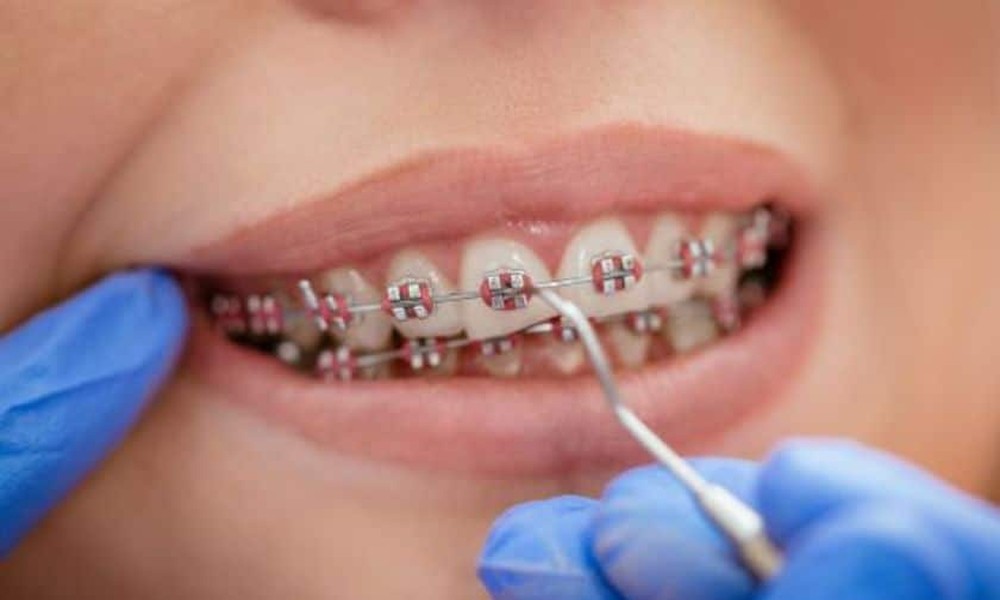
Straight teeth alone do not guarantee a healthy mouth. Your gums carry the weight of every orthodontic move. When gums swell, bleed, or pull away from teeth, braces and clear aligners work more slowly. Treatment can also hurt more and lead to poor results that do not last. Healthy gums give teeth a strong base. This support helps teeth move in a steady way and stay in their new positions. It also lowers the chance of tooth loss and infection later. Whether you wear metal braces or choose Invisalign in Redlands and Loma Linda, your gum health shapes your outcome. You need clean teeth, clean gums, and steady habits. You also need clear guidance from your orthodontist and dentist. This blog explains how gum care affects treatment, what warning signs to watch, and what simple steps protect your smile.
Why gums matter when teeth move
Gums are not just soft tissue. They sit over a bone that holds each tooth in place. Orthodontic treatment asks this bone to reshape. Your gums help protect that bone from germs and pressure.
When gums stay clean and firm, teeth move in a steady way. When gums stay sore or infected, bone can break down. Teeth then lose support. That can slow movement, change your bite, and shorten results.
Research from the National Institute of Dental and Craniofacial Research shows that gum disease is a main cause of tooth loss in adults. Orthodontic forces on weak gums can speed that loss. Healthy gums act like a strong foundation for any change in tooth position.
How gum health shapes your orthodontic results
Gum health touches every stage of treatment. It affects how fast you finish, how you feel, and how long your smile lasts.
|
Gum condition |
What you might notice |
Effect on orthodontic treatment |
|---|---|---|
|
Healthy gums |
Pale pink, snug to teeth, no bleeding when you brush |
Teeth move in a steady way. Treatment time often stays on track. Long-term results stay more stable. |
|
Mild gum inflammation |
Redness, puffy edges, bleeding with brushing or flossing |
Teeth may move more slowly. You may feel more soreness. Your orthodontist may need more visits and checks. |
|
Gum disease |
Ongoing bleeding, bad breath, receding gums, loose teeth |
Bone loss can occur. Teeth may shift in uneven ways. Treatment may pause or stop to protect your teeth. |
Healthy gums help you reach three goals. You finish treatment. You avoid extra pain. You keep your new smile for many years.
Braces, aligners, and your gums
Braces and clear aligners both move teeth. They affect your gums in different ways. You need to adjust your care plan for each option.
Braces
Brackets and wires catch food. They make brushing and flossing harder. Plaque builds up fast around the gumline. This buildup can lead to white spots on teeth, sore gums, and early gum disease.
You lower this risk when you
- Use a soft toothbrush at least two times each day
- Clean around brackets and along the gumline with care
- Use floss threaders or small brushes between teeth once a day
Clear aligners
Clear aligners cover your teeth for many hours each day. They can trap germs and sugar against your gums if you do not clean well. You also may snack more often because aligners come in and out with ease.
You protect your gums when you
- Brush and floss before putting aligners back in
- Rinse aligners with cool water every time you remove them to eat
- Avoid sipping sugary drinks while aligners are in place
Warning signs you should not ignore
Gum problems often start quietly. You might not feel pain at first. You need to watch for early signs, especially with braces or aligners.
Contact your dentist or orthodontist if you notice
- Bleeding when you brush or floss that lasts more than one week
- Red or shiny gums around brackets or along the front teeth
- Swelling that makes it hard to clean or close your bite
- Gums that pull away from teeth or make teeth look longer
- Bad breath that does not fade after brushing
The Centers for Disease Control and Prevention report that many adults have some form of gum disease. Early care can stop this from getting worse while you are in treatment.
Daily steps to protect your gums during treatment
You control many of the key steps that protect your gums. Simple daily habits can keep your treatment on track.
Three cleaning steps
- Brush two times each day for two minutes with fluoride toothpaste
- Clean between teeth once each day with floss, flossers, or small brushes
- Rinse with an alcohol free mouthwash if your dentist suggests it
Three food and drink choices
- Limit sticky sweets that cling around brackets and along gums
- Choose water instead of sugary drinks between meals
- Eat crunchy fruits and vegetables that help scrub teeth surfaces
Three visit habits
- Keep every orthodontic visit, even if teeth feel fine
- See your dentist for cleanings and checkups at least every six months
- Tell your providers about any new bleeding, pain, or loose teeth
Working with your care team
Your orthodontist and dentist share a goal. They want your teeth straight and your gums healthy. You support that goal when you ask clear questions and follow through at home.
You can ask
- Are my gums healthy enough to start or continue treatment?
- Do you see any spots I am missing when I brush
- Should I use extra tools like water flossers or fluoride rinses
When your care team sees trouble early, they can adjust wires, change aligner schedules, or send you for a deep cleaning. That can save you from longer treatment and painful problems later.
Protecting your new smile after treatment
When braces come off, or aligner treatment ends, your gums still matter. Teeth try to move back to their old spots. Gums and bone need time to firm up around the new positions.
You protect your results when you
- Wear retainers exactly as directed
- Keep the same gum care habits you used during treatment
- Stay alert to any new bleeding or gum recession
Strong gums help hold teeth in place. Weak gums give way. Your daily care today shapes how your smile looks and feels many years from now.
