
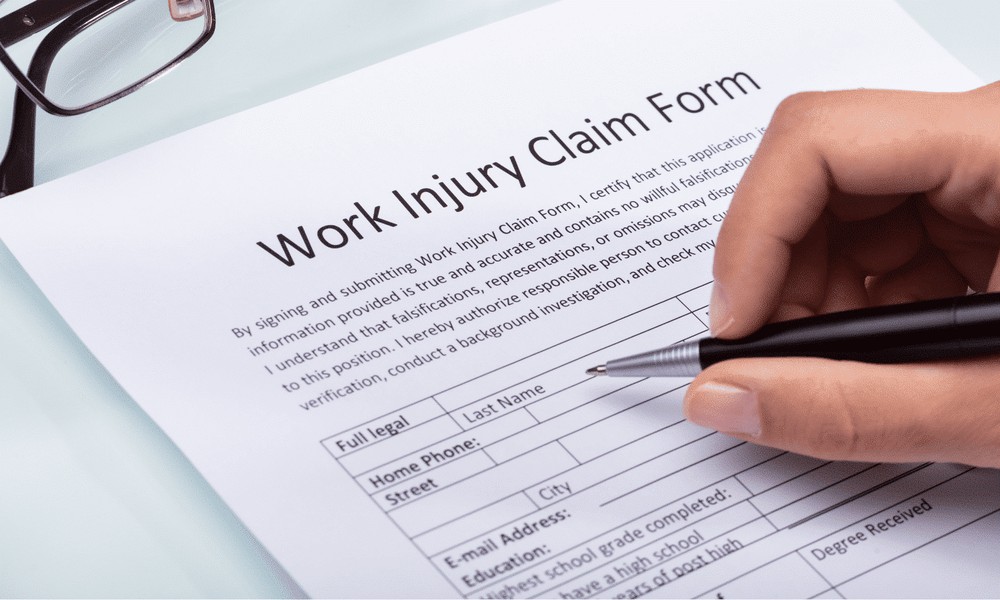
A back injury at a Bayonne warehouse. A torn rotator cuff at a Newark construction site. A repetitive stress injury at a North Bergen distribution center. The injured worker is out for a few weeks, then a phone call comes from the employer or the insurance carrier with what sounds like good news. There is a light duty position waiting. Show up Monday. The Law Offices of Anthony Carbone has watched this scenario play out for over 35 years, and it is one of the most reliable ways an otherwise strong workers’ comp claim gets quietly dismantled. The light duty offer is not always what it seems, and the choices made in the days after that call often decide what the claim is ultimately worth.
Why Light Duty Offers Exist in the First Place
A workers’ compensation carrier in New Jersey pays two main streams of benefits during the active phase of a claim. Medical treatment under N.J.S.A. 34:15-15. Temporary disability benefits, set at 70 percent of the worker’s gross weekly wage up to a statutory maximum, under N.J.S.A. 34:15-38. Temporary disability benefits stop when the worker either returns to work, reaches maximum medical improvement, or refuses an offer of suitable employment within the worker’s medical restrictions.
That last category is where light duty offers come from. Carriers know that a returned worker, even at modified duty, ends the temporary disability stream. Employers know that a worker on the floor in any capacity is easier to manage than one collecting benefits at home. The two interests align in a way that often produces a light duty offer well before the worker is medically ready for any sort of return.
The offer itself is not improper. The statute contemplates that workers will return to modified duty when they are able. The problems start when the offer is misaligned with the worker’s actual medical restrictions, or when the worker accepts the offer without understanding what acceptance does to the claim.
The Trap of Accepting Light Duty Outside Your Restrictions
A light duty offer in New Jersey has to fall within the medical restrictions set by the authorized treating physician. If the doctor has limited the worker to lifting no more than ten pounds, no overhead reaching, and no prolonged standing, the offered position has to honor those limits. A position labeled “light duty” that asks the worker to lift 25-pound boxes onto a conveyor or stand on a concrete floor for eight hours a day is not actually light duty under the law.
The trap is that workers often accept these offers anyway. The pressure to get back on payroll, the worry about employer retaliation, and the simple desire to feel useful again all push toward acceptance. Once the worker is on the floor, three things happen quickly.
The first is reaggravation. A back, shoulder, or knee injury that was healing on a steady arc gets pushed backward by physical demands the body is not yet ready for. The second is documentation problems. A worker who shows up and performs the work has, on paper, demonstrated capacity for that work, regardless of the pain it caused. The third is the carrier’s argument. Once the worker has worked a full day under any conditions, the temporary disability stream may be challenged, and the carrier will use the return as evidence that further benefits are unwarranted.
A worker pushed back into pain by an out-of-restriction assignment often ends up worse off than they were before the offer arrived.
The Right Way to Respond to a Light Duty Offer
Workers in New Jersey have rights when a light duty offer comes in, and exercising them does not require turning down work outright. The proper response in nearly every case is to get the offer in writing, get the position description in writing, and bring both to the authorized treating physician for evaluation against the current restrictions.
The treating physician’s role here is decisive. If the physician confirms the position is within the worker’s restrictions, the worker is generally expected to accept. Refusal of suitable work within restrictions can terminate temporary disability benefits and create a record problem for the rest of the claim.
If the physician finds the position outside the restrictions, the worker has documentation supporting the refusal. That documentation goes to the workers’ compensation insurance carrier through the worker’s attorney or directly, depending on the posture of the case. A properly documented refusal preserves the temporary disability stream and protects the medical course of treatment.
Verbal offers and informal phone conversations are where most of the damage happens. A worker who agrees on the phone to “try” coming back, without seeing the position description and without medical clearance, has effectively committed to whatever the employer puts in front of them on day one.
How Surveillance and Social Media Compound the Problem
The light duty period is often when surveillance investigators are most active. A worker who accepted an offer outside their restrictions, then went home and tried to garden, attend a family event, or run errands, can find themselves in video clips that get used against the entire claim. The same is true for social media posts. A photograph at a family gathering, taken on a day the worker felt slightly better, can be presented at a hearing as evidence that the underlying injury is not as severe as claimed.
A serious workers’ comp case requires ongoing care about what gets posted and what gets seen during the recovery period. The defense is paying attention even when the worker is not.
How The Law Offices of Anthony Carbone Approaches These Situations
The first call after a light duty offer should be to counsel before any commitment is made to the employer or the carrier. Reviewing the offer against the medical restrictions, communicating with the treating physician about whether an updated note is needed, and responding in writing through the proper channels protects the claim.
When a worker has already accepted an offer that turned out to be outside their restrictions, the situation is salvageable but requires immediate work. Documenting the actual demands of the job, gathering medical evidence of reaggravation, and filing the appropriate motions through the Division of Workers’ Compensation can restore the claim in many cases. The longer the worker stays in the misfit position, the harder that recovery becomes.
The Next Step If You Have Received a Light Duty Offer
A worker injured on the job in Jersey City, Newark, Bayonne, North Bergen, or anywhere else in New Jersey who has received a light duty offer should not respond to it without a clear read on what the offer actually says and what acceptance will do to the claim. The Law Offices of Anthony Carbone offers a free consultation to walk through the offer, the medical restrictions, and the realistic path forward. Reach out before the response deadline runs and before the wrong answer locks in consequences that are much harder to fix later.
