
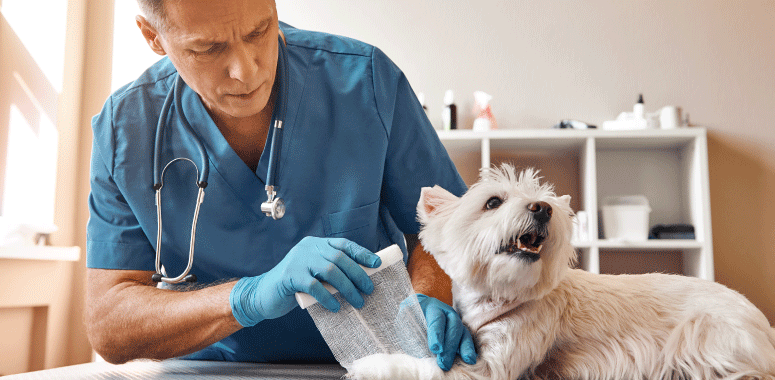
Your health depends on animal health more than you may think. Every day, veterinary hospitals protect you from disease, food contamination, and injury. They do this quietly, often without public credit. When a dog gets a rabies shot, a cat gets tested for parasites, or a cow herd gets checked for illness, your community becomes safer. So your local veterinarian in Vestavia Hills is part of a wider shield that guards families, schools, and workplaces. These hospitals track diseases that can move from animals to people. They guide pet owners on safe handling, cleaning, and bite prevention. They also support safe food from farm to table. This work lowers outbreaks, medical costs, and fear. It also builds trust when health threats rise. When you understand how veterinary hospitals protect public health, you can use their services in smarter ways and support stronger safeguards for everyone.
How Animal Care Protects Human Health
Many diseases move from animals to people. Rabies, salmonella, and some flu strains are a few examples. The Centers for Disease Control and Prevention explains that most new infectious diseases in people start in animals.
Veterinary hospitals cut this risk in three main ways.
- They prevent disease through vaccines and parasite control.
- They detect disease early through exams and lab tests.
- They report and help manage outbreaks when they appear.
You feel this work in daily life. You feel it when your child plays with the family dog without worry. You feel it when you cook eggs or meat and know inspection systems exist. You feel it when news reports mention a new flu strain, and experts can trace it.
Vaccines And Parasite Control As Community Protection
Routine shots and parasite checks do more than protect pets. They protect neighbors and strangers as well. Rabies is a clear example. Once symptoms start, rabies in people is almost always fatal. Yet the United States sees very few human rabies cases each year. That is because veterinary teams vaccinate dogs, cats, and other animals on a strict schedule.
Here is how common services at veterinary hospitals support both pet and public health.
|
Service |
Protects Your Pet |
Protects Your Family And Community |
|---|---|---|
|
Rabies vaccination |
Prevents a deadly brain infection |
Stops the spread of a fatal disease to people through bites |
|
Parasite testing and prevention |
Prevents worms, fleas, and ticks |
Lowers risk of Lyme disease and other infections in people |
|
Routine wellness exams |
Finds illness early in pets |
Helps catch diseases that can move from pets to people |
|
Vaccines for common pet diseases |
Stops outbreaks in dogs and cats |
Reduces strain on clinics and shelters during disease events |
|
Spay and neuter surgery |
Prevents certain cancers and infections |
Controls stray populations that can spread disease and cause bites |
Each visit you schedule adds one more layer of safety. It protects your home. It also protects people you never met.
Food Safety And Farm Support
Veterinary hospitals that serve farms protect the food you eat. They inspect herds and flocks for signs of illness. They watch for diseases that can spoil meat, milk, and eggs. They also guide farmers on safe handling, housing, and transport.
This work supports three key goals.
- It keeps sick animals out of the food chain.
- It cuts the need for emergency use of antibiotics.
- It supports clean, safe processing at plants and markets.
The United States Department of Agriculture explains how veterinarians support food safety and disease control. When veterinary teams respond fast to a disease in a herd, they protect store shelves and kitchen tables across towns and states.
Disease Tracking And Public Health Response
Veterinary hospitals also act as early warning sites. When they see unusual patterns in pet or livestock illness, they alert public health partners. This can include sudden clusters of respiratory disease in dogs, strange neurologic signs in horses, or spikes in diarrhea in young animals.
Through this work, veterinary hospitals help to
- Spot new disease threats before they spread widely.
- Guide testing and treatment plans that protect people.
- Inform the public about safe contact with animals.
Public health agencies rely on these reports. Without them, many outbreaks would reach people before anyone noticed a warning sign.
Preventing Bites And Injuries
Bites and scratches from animals cause pain, infection, and fear. They can also lead to serious illness. Veterinary hospitals lower this risk by helping you read animal behavior and handle pets with care.
During visits, teams often
- Teach safe play and handling for children and adults.
- Guide you on training and socializing pets.
- Address pain or fear in animals that may snap or scratch.
Stronger behavior support means fewer bites. That protects your family. It also protects delivery workers, visitors, and neighbors.
Education That Reaches The Whole Community
Every conversation at a veterinary hospital is a chance to protect public health. Staff give simple, direct advice that helps you lower risk at home. They explain how to clean litter boxes, pick up dog waste, and store pet food. They also remind you when to seek care if someone in your home becomes sick after contact with an animal.
Three topics often come up in these talks.
- Handwashing after touching animals or their waste.
- Safe contact between young children and pets.
- Steps for people with weak immune systems who live with animals.
These small steps prevent quiet chains of infection. They also calm worry and give you clear control over daily risks.
How You Can Support This Shared Safety Net
You play a direct role in this public health work. You do not need special training. You need simple, steady habits.
- Keep regular checkups and vaccines for all pets.
- Follow parasite prevention plans as prescribed.
- Call your veterinary hospital when an animal bites or scratches someone.
- Share honest details about your home, travel, and contact with other animals.
- Teach children to treat animals with respect and caution.
Each step protects the people you love most. It also shields people you will never meet. Veterinary hospitals stand with you in that work. They guard both animal health and human health every day with steady, focused care.
