
Key Takeaways
- Responding quickly after a fire can significantly reduce property loss, emotional distress, and health risks for occupants.
- Proper fire restoration requires more than superficial cleaning—deep assessment, odor elimination, invisible residue removal, and rebuilding.
- Preparation before a fire and organized actions immediately after can make for a smoother and faster recovery.
- Professional help and an actively engaged property owner will ensure the best results and avoid costly missteps during recovery.
Why Speed Matters After a Fire
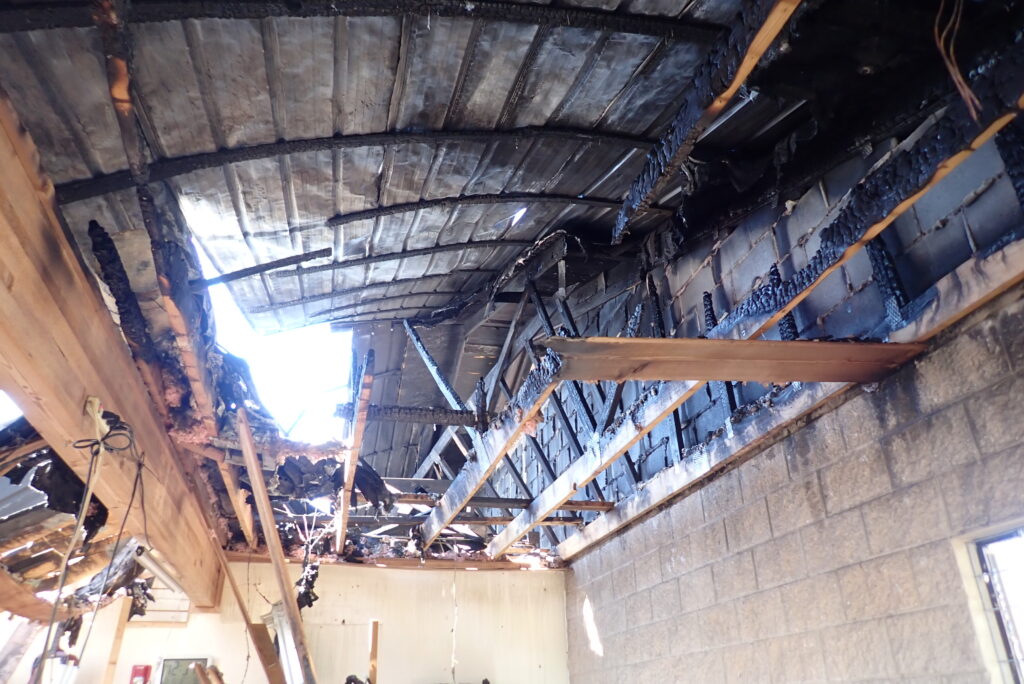
After the final flames are out, the real battle against fire damage begins. Each passing hour allows smoke, ash, moisture, and soot residues to infiltrate a building’s structure and possessions. A timely response has been proven to dramatically reduce the extent of permanent loss and repair costs, ensuring that homes and businesses can reclaim normalcy sooner. Calling experts specializing in smoke and fire restoration promptly can be the difference between saving precious family heirlooms and watching them deteriorate beyond recovery.
Beyond what’s visible, microscopic particles and acidic smoke residues harm wiring, pipes, and insulation, sometimes days before symptoms appear. Rapid intervention limits the need for expensive reconstruction, reduces property loss, and reduces air quality issues. In practice, the faster fire restoration professionals arrive, the better the long-term outcomes—less stress, fewer hidden hazards, and a swifter, less costly return to everyday life.
Steps to Take Immediately Following Fire Damage
- Ensure all individuals—including pets—are out of harm’s way and receive medical care if needed.
- Notify your local fire department again to confirm the property is completely extinguished and secure to enter.
- Reach out to your insurance provider as early as possible so you can begin recording losses for your claim.
- Thoroughly document both evident and subtle damage with high-quality photographs and videos before making any changes to the site.
- If authorities advise it’s safe, opening doors and windows will help reduce lingering smoke and humidity.
Acting with urgency and organization during these early hours paves the way for a smoother restoration. Guidance from Ready.gov stresses the value of prepared checklists and step-by-step instructions; these help protect your family and ensure crucial details aren’t forgotten during a chaotic time. The sooner property owners tackle these priorities, the faster professional teams can get to work, and the less daunting the road to recovery will feel.
Common Health Risks Associated with Fire Damage
When fires are doused, invisible hazards often remain behind. Smoke inhalation can injure the lungs—sometimes long after the fire is out—especially for vulnerable individuals like children, seniors, or those with asthma and other respiratory issues. Soot deposits quickly cover furnishings, walls, clothes, and even HVAC ducts, exposing residents to toxic chemicals and fine particulates. These substances can cause eye, skin, and throat irritation, headaches, and more serious medical concerns with extended exposure.
Lingering Threats to Well-Being
After the firefighting phase, water to extinguish the flames can soak into walls, floors, and hidden spaces, creating a perfect breeding ground for mold. Mold spreads rapidly, sometimes within as little as 24 to 48 hours in humid conditions, bringing additional health implications if not handled immediately. This is why specialized monitoring and cleanup from qualified professionals are necessary to ensure spaces are safe to reoccupy.
Key Components of Effective Fire Restoration
- In-depth assessment: Trained restoration professionals examine the whole property, locating visible and hidden issues, such as electrical system compromise, soot deposits inside ventilation, or weakened structural supports.
- Specialized cleaning techniques: Using industrial tools, teams remove soot, ash, and moisture not just from surfaces but from deep within carpeting, furniture, and infrastructure.
- Odor neutralization: Technologies such as ozone machines, foggers, and activated charcoal help eliminate odors that can linger for months and affect quality of life.
- Sanitization and decontamination: Careful cleaning of hard and soft surfaces, using EPA-approved cleansers, ensures that even chemicals and toxins left by the fire or firefighting agents are safely removed.
- Systematic reconstruction: Restoration goes beyond cosmetic touch-ups, often requiring the rebuilding of walls, ceilings, or even entire rooms to restore safety and value fully.
These processes are sequentially coordinated, allowing fire restoration professionals to prioritize health and structure first, then work toward making the property once again comfortable and inviting. It’s this comfortable and inviting artificial cleanup from authentic restoration.
What Property Owners Can Do to Aid Restoration
While the lion’s share of fire restoration is best left to professionals, property owners still play a valuable supporting role. Securing the site helps stop further losses or injuries; marking hazardous areas and preventing entry protects you and the restoration team. Generating clear, organized lists of damaged or missing items will accelerate insurance claims processing, and digital records create a backup that’s harder to lose.
Open and consistent communication is a top priority for restoration professionals and insurers. Clear explanations of the sequence of events—and any preexisting issues—can help avoid misunderstandings or claim denials. For optimal preparedness, storing key documents off-site or digitally and making a family emergency action plan can shave days or weeks off the total recovery timeline.
How Professionals Tackle Smoke and Soot
Professionals rely on a suite of tools to fight stubborn smoke and soot. Using HEPA air scrubbers, high-powered vacuums, specially formulated detergents, and innovative fogging technology, they reach residues that ordinary methods can’t touch. Every fire burns differently, producing unique contaminants: for example, protein fires from cooking leave greasy residues, while synthetic materials release different toxins. Cleaning protocols are adjusted for each situation to ensure all residues are safely removed.
In addition to scrubbing visible surfaces, thorough restoration includes cleaning behind walls, inside ductwork, and within appliances. Increased attention to HVAC systems and air filtration prevents recontamination. This detailed process brings the indoor environment back to safe, healthy standards for the return of the building’s occupants.
Choosing the Right Fire Restoration Partner
Not all restoration companies are created equal. Look for certified, licensed professionals who work under industry best practices and maintain positive references in the community. Reliable teams are transparent about their methods, offer a clear scope of work, and provide accurate timelines so you know what to expect. Assess their willingness to answer questions and ability to coordinate with your insurance, not just their technical capabilities.
According to fire safety experts, companies affiliated with reputable organizations or those recommended by insurance providers are more likely to deliver successful outcomes. Still, don’t be afraid to ask for references or check third-party review platforms for peace of mind during a stressful time.
Conclusion: Why Acting Fast Is the Best Defense After Fire Damage
Recovering from a fire is never easy, but the speed and quality of your response can make all the difference. Immediate action limits structural damage, reduces long-term costs, and protects your health and emotional well-being. As this guide shows, successful fire restoration is a layered process, requiring fast coordination between property owners and seasoned professionals. From the first safety steps to the final touches of reconstruction, a proactive, informed approach accelerates recovery and restores peace of mind. In the aftermath of a disaster, timing isn’t just important—it’s everything.
