
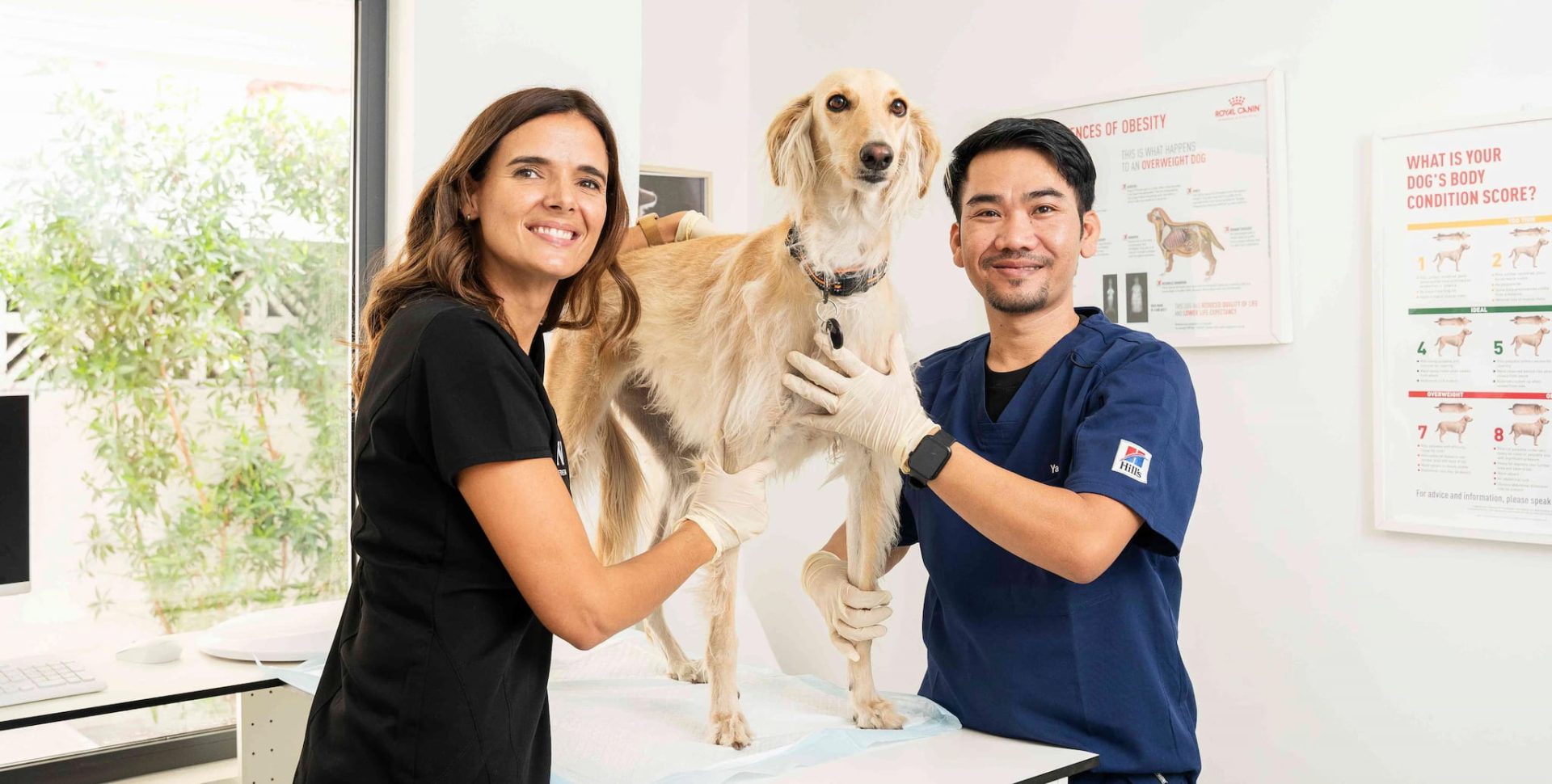
Travel plans with your pet can feel heavy. Rules change by country and airline. One missing form can cancel your trip at the gate. General veterinarians guide you through this. They know which vaccines you need, how recent they must be, and what health exams officials expect. They also complete health certificates, confirm microchip details, and record any treatment your pet receives. This support cuts stress and reduces mistakes. It also protects your pet from sickness in new places. If you visit a veterinary clinic in Kanata, ON, your veterinarian can review your route, check entry rules, and warn you about common problems. You walk away with clear steps, signed documents, and a safer plan for your pet.
Why travel rules for pets feel so strict
Travel rules protect people, pets, and local wildlife. Many countries worry about rabies and other diseases. They also worry about pests that can harm farm animals. So border officers ask for proof that your pet is healthy and safe to enter.
You face three main sets of rules. First, there are rules from the country you visit. Second, there are rules from airlines or other carriers. Third, there can be rules from your own country when you return. Your veterinarian reads and explains these pieces so they work together.
Key travel documents your veterinarian prepares
General veterinarians handle most of the travel paperwork you need. They help you collect, check, and sign documents such as:
- Rabies vaccination records with exact dates
- Full vaccination history
- Implant or microchip documents
- Government travel health certificates
- Test results for blood, worms, or other infections
- Records of flea, tick, and parasite control
Each document must match your pet’s microchip number, name, species, and age. Your veterinarian checks every line. One digit out of place can stop your pet at the border.
Health exams before travel
Most countries ask for a health exam close to your travel date. Some ask for this within ten days. Others accept exams from within a month. Your veterinarian knows which window applies to your trip.
During this exam your veterinarian will:
- Check heart, lungs, and body weight
- Look at eyes, ears, skin, and teeth
- Review current medicines and any surgery history
- Confirm that your pet is safe to fly or travel long hours
If your pet has a long term condition, your veterinarian can explain this on the certificate. Clear notes can prevent confusion at customs.
Vaccines, tests, and timing
Timing is often the hardest part for families. Many rules are strict. If you miss a date by even one day, your pet may need to stay behind, stay in quarantine, or return home.
Your veterinarian helps you plan:
- When to give rabies and booster shots
- When to run blood tests such as rabies titers
- When to give parasite treatments before entry
For example, the European Union asks for a microchip before rabies vaccination. It also asks for a 21-day wait after vaccination for first-time travelers. Your veterinarian sets a clear calendar for you.
How veterinarians work with government rules
Many countries ask for health certificates from a licensed veterinarian. Some also need approval from a federal authority before you travel. Your general veterinarian knows which forms link to which agency.
As an example, Canada describes steps for exporting pets through the Canadian Food Inspection Agency. Similar sites exist for other countries. Your veterinarian uses these sources when planning your trip.
Common travel needs for dogs and cats
The table below shows common needs for dogs and cats when they travel. Rules differ by country. This table gives only a general picture. Your veterinarian will confirm the exact needs.
|
Requirement |
Dogs |
Cats |
|---|---|---|
|
Microchip |
Often required before rabies shot |
Often required before rabies shot |
|
Rabies vaccine |
Almost always required |
Almost always required |
|
Other vaccines |
Common for distemper and parvo |
Common for panleukopenia |
|
Blood test for rabies titer |
Required for some regions |
Required for some regions |
|
Parasite treatment |
Often required for tapeworm and ticks |
Often required for tapeworm and ticks |
|
Government health certificate |
Common for international trips |
Common for international trips |
Working with airlines and carriers
Airlines often add their own rules. They may set crate sizes, breed limits, and weather limits. They may also require extra forms for emotional support or service animals. Your veterinarian can write letters, refill medicine, and explain health limits for these cases.
You should share your full itinerary with your veterinarian. This includes layovers and transfers. Each stop can trigger new rules. Your veterinarian helps you see those risks early.
Comfort and safety for your pet
Travel can be hard on pets. Strange sounds and long waits can cause fear. Your veterinarian can suggest simple steps to keep your pet calm.
- Use a crate that fits your pet and meets airline rules
- Place familiar bedding and a toy inside
- Plan feeding times to avoid sickness during travel
- Carry copies of key records in your hand luggage
Some pets may need medicine for motion sickness or anxiety. Your veterinarian can discuss safe options and give clear instructions.
How to prepare for your appointment
You can make your visit faster and clearer if you arrive prepared. Before you see your veterinarian, you should:
- Know your exact travel dates
- List all countries and stops you pass through
- Print airline pet rules
- Bring past vaccination records and microchip numbers
This gives your veterinarian the full picture. You then walk through each step together. You leave with a list of what must happen and by when.
When to start planning
Travel planning for pets should start early. Some trips need only a few weeks of planning. Others, such as moves to places that need rabies titer tests, can take months.
- Start six months ahead for complex moves or strict regions
- Start three months ahead for most overseas trips
- Start one month ahead for simple trips within the same region
Early planning with your general veterinarian protects your trip. It also protects your pet. Clear steps, steady support, and complete documents turn a heavy process into something you can manage with confidence.
