
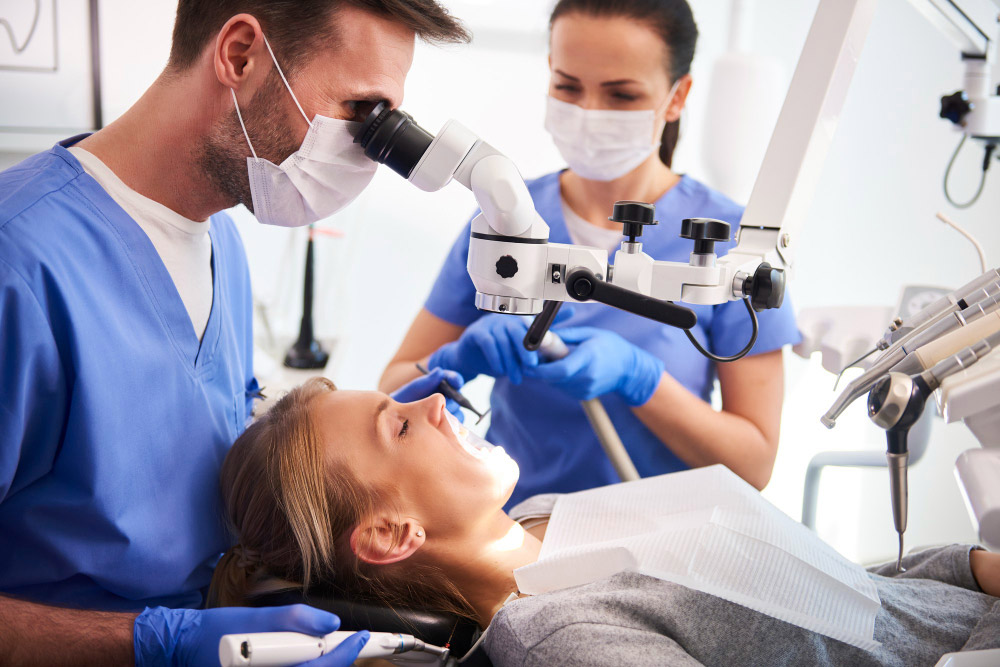
Your mouth tells a story every time you eat, speak, or smile. General dentistry protects that story. It uses trusted care you know, and new tools that make treatment gentler and more exact. You still get cleanings, exams, and fillings. You also get digital scans, sharper images, and quieter tools that help catch small problems early. A Westwood dentist can spot tooth decay before you feel pain. The dentist can also plan treatment that saves more of your natural tooth. This mix of old and new helps you avoid emergencies, long visits, and fear. It also gives you clear answers about what is happening in your mouth and why. This blog explains how general dentistry blends hands on skill with new technology. It shows how that mix protects your teeth, your gums, and your peace of mind every time you sit in the chair.
Why Routine Dental Care Still Matters
You still need the same basic care that your parents and grandparents knew. Routine visits keep small problems from turning into painful ones. You protect your health and your budget when you stay ahead of trouble.
At a regular visit, you can expect three things.
- A check of your teeth, gums, and mouth
- A cleaning to remove plaque and tartar
- A talk about your habits, risks, and next steps
The science is clear. The Centers for Disease Control and Prevention explains that tooth decay is one of the most common chronic problems for children and adults.
How Modern Tools Change Your Visit
New tools do not replace the dentist. They give the dentist sharper eyes and steadier hands. You get more comfort. You also get cleaner answers about what is wrong and how to fix it.
Modern general dentistry often uses three main types of technology.
- Digital X rays and images
- Intraoral cameras
- Computer based planning and records
Each one changes your visit in a clear way.
Traditional Methods Compared With Modern Dental Tools
| Type of Care | Traditional Method | Modern Tool | What You Notice |
|---|---|---|---|
| X rays | Film based images that take longer to develop | Digital X rays | Faster pictures. Less wait time. Lower radiation exposure |
| Exam view | Small mirror and light | Intraoral camera | Live pictures on a screen. You can see what the dentist sees |
| Records | Paper charts and handwritten notes | Electronic records | Clear history. Easier sharing with other providers when needed |
| Treatment planning | Visual check and touch alone | Digital scans and planning software | More exact fit for fillings and crowns. Less need for repeat work |
| Comfort | Louder tools | Quieter handpieces and new numbing methods | Less noise. Less fear. Shorter time in the chair |
Protecting Your Whole Health
Your mouth connects to the rest of your body. Gum disease links to heart disease, diabetes, and pregnancy problems.
General dentistry uses both old and new tools to lower these risks.
- Cleaning removes germs that cause gum disease
- New imaging spots bone loss early
- Digital records track changes over time
This mix helps your dentist see patterns. You get care that matches your health history, your age, and your daily life.
What This Means For Your Family
Every person in your home needs mouth care. Children, teens, adults, and older adults each face different risks. A general dentist uses the same mix of hands on skill and modern tools for every age group.
For children the dentist can
- Watch how teeth grow with digital images
- Use sealants and fluoride to stop cavities
- Teach brushing in simple steps
For teens and adults the dentist can
- Spot early wear from grinding or sports
- Use cameras to show areas you miss when you brush
- Plan fillings and crowns that protect more natural tooth
For older adults the dentist can
- Track gum health over time
- Check how medicines affect your mouth
- Use scans to plan dentures or implants when needed
How To Get The Most From Each Visit
You play a clear role in this partnership. Technology helps. Your habits matter more. You can make each visit count when you do three things.
- Keep regular checkups even when nothing hurts
- Ask to see images and camera views so you understand your mouth
- Tell your dentist about changes in your health or medicines
You also protect your mouth at home. You can
- Brush twice a day with fluoride toothpaste
- Clean between teeth every day
- Limit sugary drinks and snacks
These basic steps support every tool in the office. The best scanner cannot fix brushing that you skip. Your effort and the dentist effort must work together.
Moving Forward With Confidence
General dentistry today respects the methods that worked for decades. It also uses new tools that sharpen skill and reduce fear. You still feel a human hand and hear a calm voice. You also see clear images, faster results, and plans that fit your life.
You do not need to know how each tool works. You only need to know what questions to ask.
- How do you check for early decay
- What images will you use and why
- How will this plan protect my tooth long term
When you ask these questions, you invite a clear talk. You also show that you value your health. That respect for your own body is the strongest tool you have. Traditional care and modern innovation can then work together to keep your story strong every time you smile.
