
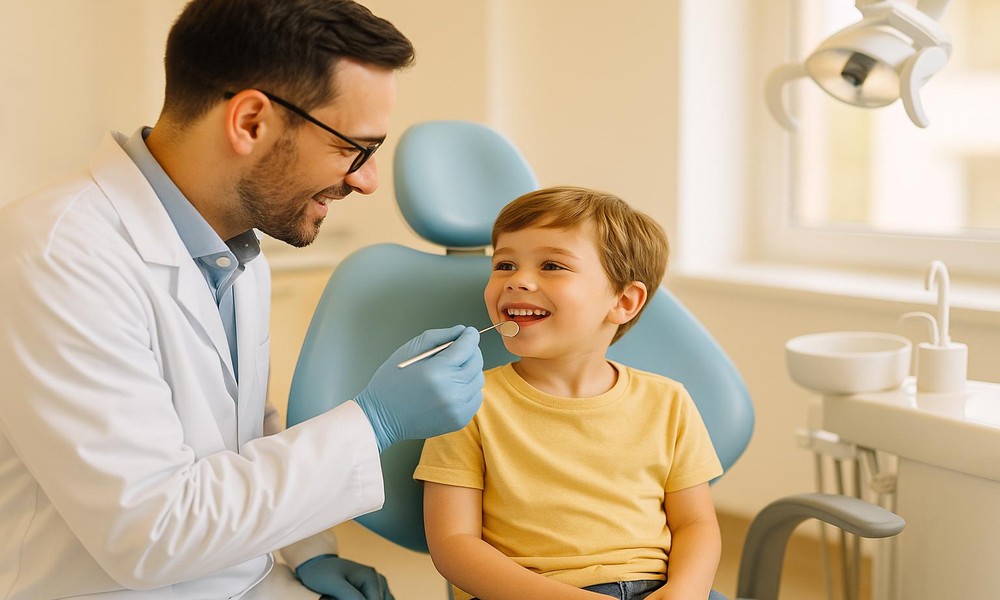
Your child’s first visits to the dentist shape how they feel about oral care for years. A gentle start can lower fear. A rough start can cause silence and neglect. You want your child to trust the chair, open wide, and feel safe. Family dentistry focuses on that early trust. You sit in the same office. You see the same faces. You build habits together. A dentist in Antioch can help your child learn simple routines. Brush in the morning. Brush at night. Limit sugar. Drink water. Use words your child understands. No pressure. No shame. Only clear steps. Early visits catch small problems before they spread. They also teach your child that care is normal. Over time, those early visits protect your child’s teeth, speech, and comfort. They also protect your peace of mind as a parent.
Why Early Dental Visits Matter So Much
Baby teeth fall out. Yet they still guide jaw growth. They hold space for adult teeth. They also affect speech and chewing. When decay hits baby teeth, pain can change how your child eats, sleeps, and learns.
The American Academy of Pediatric Dentistry advises a first visit by age one or within six months of the first tooth. Early care is not only about cleaning. It is about trust, comfort, and routine.
In a family practice, your child sees care as part of daily life. You sit nearby. You show calm. Your child watches you open your mouth for an exam. That quiet example carries more power than any lecture.
How Family Dentistry Builds Trust And Routine
Trust grows through small, steady steps. You and your family dentist can use three simple moves.
- Predictable visits. You keep regular checkups. Your child knows what to expect. There are no surprises.
- Simple words. You and the dentist use clear terms. You say “cleaning” instead of “scrape.” You say “check your teeth” instead of “examine.” Fear often comes from strange words.
- Shared habits. You brush together at home. Then the same dentist cheers those habits in the office. Your child sees a clear line between home and clinic.
These steps lower fear. They also give your child control. Your dentist can offer choices. Your child can pick a toothbrush color. Your child can raise a hand to pause. Small choices build confidence.
What To Expect At Different Ages
Family dentistry follows your child as teeth and needs change. You can use this simple guide.
|
Age |
Visit Focus |
Your Role At Home |
|---|---|---|
|
0 to 3 years |
First visit, tooth counting, cavity checks, comfort with the chair |
Wipe gums, brush tiny teeth twice daily, avoid putting the child to bed with a bottle |
|
4 to 6 years |
Cleanings, fluoride, early X-rays if needed, habit checks like thumb sucking |
Help brush, start flossing, limit juice and sticky snacks |
|
7 to 12 years |
Monitor new adult teeth, sealants on molars, review sports mouthguards |
Supervise brushing, pack tooth-friendly snacks, use mouthguards for sports |
|
13 to 18 years |
Wisdom tooth checks, braces or aligner support, talk about tobacco and vaping |
Keep regular visits, support honest talks about habits, model good care |
How Family Dentistry Shapes Daily Habits
Your child spends only a few hours each year in the dental chair. The rest of the time, habits at home decide what happens in the mouth. Family dentistry links those two worlds.
Your dentist can help your child learn three core habits.
- Brush twice daily. Use a small soft brush. Use a pea-sized dot of fluoride paste after age three. Help your child to tie their shoes without help.
- Clean between teeth. Use floss picks or string once a day. Focus on back teeth. Those are where decay hides first.
- Watch what your child drinks and eats. Save sweets for mealtimes. Offer water between meals. Keep juice rare. Frequent sipping on sweet drinks feeds decay.
Each checkup becomes a report card on those habits. Your child hears praise when things go well. Your child hears clear steps when spots of decay show. This steady feedback teaches cause and effect in a direct way.
Comparing Outcomes With And Without Early Family Care
Research over many years shows the power of early, steady dental care. The pattern is stark. Children who see a family dentist early have fewer cavities and fewer urgent visits.
|
Care Pattern |
Common Outcomes By Grade School |
Impact On Child |
|---|---|---|
|
Regular family dentistry starting by age 1 to 2 |
Fewer untreated cavities. Less dental pain. Rare emergency visits. |
Better sleep and focus. More comfort with cleanings. Less fear of care. |
|
First visit only after pain or visible decay |
More severe cavities. More extractions. More missed school days. |
Higher fear of dental visits. More stress for parents. Higher costs over time. |
These patterns match national data on decay in children. Regular care plus fluoride and sealants lowers risk and protects school attendance.
Your Role As A Parent Or Caregiver
You are your child’s first health teacher. A family dentist becomes your partner. Together, you can use three simple moves.
- Start early. Book that first visit when the first tooth appears or by age one.
- Stay consistent. Keep checkups every six months unless your dentist suggests a different plan.
- Model calm care. Speak of the dentist in neutral or kind terms. Avoid sharing old fear stories.
You can also use small daily cues. Set a timer for two minutes when brushing. Use a simple chart with stickers for morning and night brushing. Read a short story about teeth before the first visit. These quiet rituals send a clear message. Teeth matter. Care is normal. Your child is safe.
Preparing Your Child Today, Protecting Their Smile Tomorrow
Family dentistry is not only about fixing teeth. It is about shaping how your child feels when someone leans close and says “open.” Early trust, simple words, and shared habits can turn a fearful task into a calm routine.
When you choose regular family care, you give your chi,ld three gifts. You give comfort in the chair. You give stronger teeth and gums. You give confidence to smile, speak, and eat without fear.
Those gifts do not fade when childhood ends. They follow your child into job interviews, first dates, and long talks with their own children. The work starts now, with one small visit, one small brush, and one quiet promise. You will face oral health together.
