
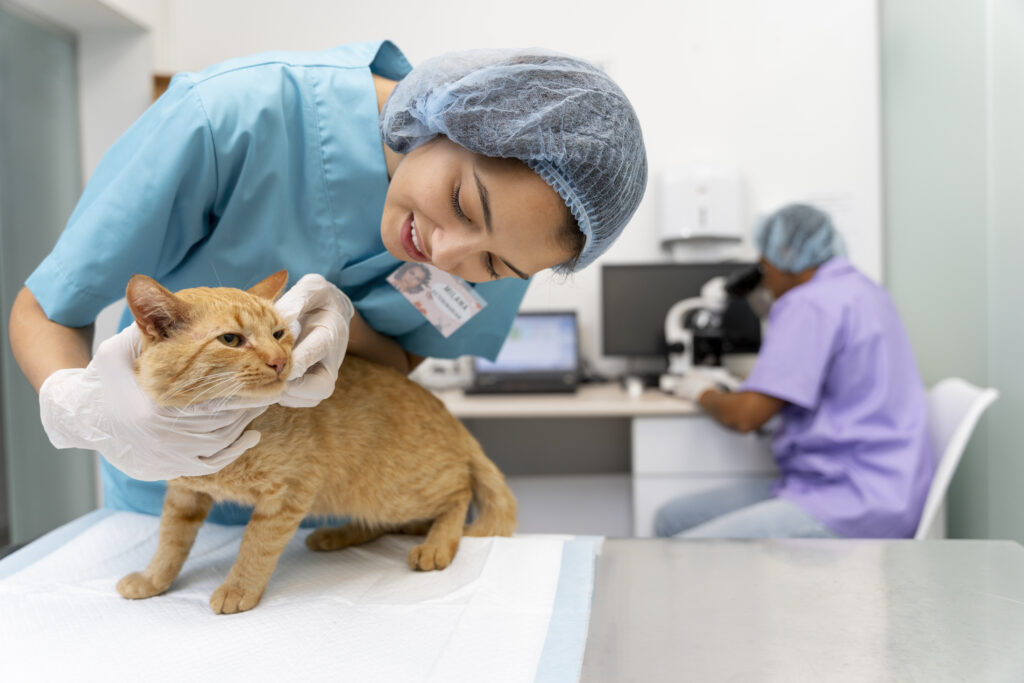
When your pet crashes into danger, every second hurts. You want to know what happens next. This guide shows you how an animal hospital responds when fear walks through the door. You see how teams move, who makes decisions, and what you can expect from the first urgent phone call to the moment your pet is stable. You learn why planning, training, and clear roles matter when a life hangs in the balance. You also see how a Richmond, VA veterinarian prepares for the worst day, long before it happens. This knowledge does not erase fear. It gives you control. It helps you speak up, share key details fast, and support your pet while the team works. When you understand the process, you feel less lost. You stand stronger for your animal when chaos hits.
Step One: The First Call And Arrival
Emergency care starts before you reach the door. When you call, staff ask short questions about breathing, bleeding, and alertness. They use this to judge how fast you must come in and how they must prepare.
You may hear clear directions to:
- Apply pressure to bleeding
- Keep your pet warm and still
- Use a carrier or blanket as a stretcher
At arrival, staff often meet you in the lobby or parking lot. They may take your pet to the treatment room right away. You might stay at the front desk to give consent and contact information. This split feels harsh. It protects your pet from delay.
Step Two: Triage And Rapid Check
Triage means staff sort pets by how urgent the problem is. Human hospitals use the same method. The goal is simple. The sickest pets go first.
A trained nurse or veterinarian checks three things fast, often in under one minute.
- Airway and breathing
- Heart rate and circulation
- Level of response and pain
They also place your pet into a color level. This is an example of how clinics might sort cases. Terms can differ by site.
| Triage Level | Example Problems | Typical Wait Time | What The Team Does First |
|---|---|---|---|
| Critical | Not breathing, severe bleeding, seizures | No wait | Oxygen, IV line, life support |
| Urgent | Serious wounds, trouble breathing, blocked urination | Minutes | Pain control, tests, monitoring |
| Stable | Limping, minor cuts, ear pain, mild vomiting | Longer wait | Exam, basic tests, care plan |
This system can feel unfair when you sit and wait. It saves lives. A pet who is not breathing must pass others. Your pet would receive the same treatment in that spot.
Step Three: Stabilizing Your Pet
Once your pet reaches the treatment room, the team focuses on three goals.
- Support breathing
- Support blood flow
- Control pain
They may place an IV catheter, give oxygen, or start fluids. They might also clip small spots of fur for lines or sensors. This looks rough. It lets them act fast and watch changes in real time.
The veterinarian chooses what to do first based on training and set plans. Many hospitals use checklists for events like shock or trauma. Research from groups such as the American Veterinary Medical Association supports the use of clear plans and first aid steps. This structure helps the team stay calm when your fear rises.
Step Four: Tests And Clear Answers
Once your pet is stable, staff run tests to learn the cause of the crisis. These can include:
- Blood work
- X rays
- Ultrasound
- Urine tests
They may also check for toxins or infections. The goal is not extra cost. The goal is a clear picture. Without that, treatment can miss the mark.
At this point, the veterinarian usually meets with you. They explain what they know, what they do not know, and what they need to find out. They also ask you about past health, medicines, and any access to trash, chemicals, or unsafe foods. Your words guide the next step.
Step Five: Treatment Choices And Costs
Next, you face decisions. The team outlines options in plain terms.
- What treatment can fix or control the problem
- How long it could take
- Risks and likely outcomes
- Costs and payment choices
Many hospitals use written estimates and consent forms. This protects you and your pet. You have a chance to ask questions and weigh risks. Guidance from groups such as the U.S. Food and Drug Administration Center for Veterinary Medicine stresses clear talk about medicines, side effects, and safe use.
You always have the right to:
- Ask about other options
- Ask what happens if you wait or choose comfort care
- Ask what signs mean your pet is getting worse
Step Six: Monitoring, Updates, And Support
During treatment, staff keep close watch. They track heart rate, breathing, temperature, and pain. They adjust medicines based on those numbers and how your pet looks and acts.
You may visit your pet at set times. You may also receive phone updates during the night. Policies differ by hospital. The intent stays the same. The team wants you informed and as calm as possible while they work.
If your pet needs surgery, the team prepares the operating room, anesthesia drugs, and tools. They also plan recovery care, such as warmth, fluids, and pain control.
What You Can Do Before An Emergency
You cannot stop every crisis. You can cut risk and panic with a few steps.
- Know the closest 24 hour animal hospital
- Keep your regular clinic number saved in your phone
- Ask about their emergency policy
- Store pet records where you can grab them fast
- Keep a basic pet first aid kit at home and in your car
Also teach older children how to react if a pet is hurt. Clear rules help.
- Do not put hands near the mouth of a hurt animal
- Call an adult right away
- Keep other pets and children away from the hurt pet
After The Crisis: Healing At Home
Once your pet comes home, your role grows. You become part of the care team.
- Give medicines exactly as directed
- Use a calendar or phone alarm so you do not miss doses
- Watch for warning signs your veterinarian lists
- Use follow up visits to ask any new questions
Emergency care can leave you drained. It can also leave you grateful and more aware. When you understand how animal hospitals manage chaos, you walk into that building with purpose instead of shock. You know what to expect. You know how to help. You give your pet the best chance at coming home again.
