
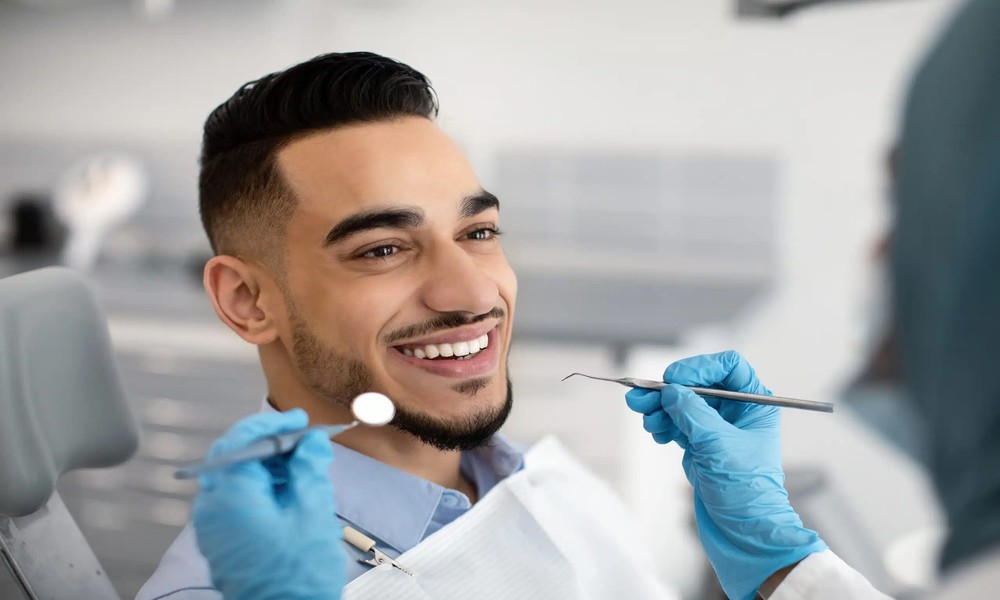
You might be feeling a little stuck every time you see your reflection or open your camera. Maybe your teen keeps covering their mouth when they laugh. Maybe you have learned to smile with your lips closed in photos. You are not imagining it. Teeth can quietly shape how you show up in the world, how you speak, how you eat, and how you connect with people. With dental implants in Bergen County, NJ, you can begin to restore both function and confidence in your smile.end
At the same time, you probably know that cosmetic dental work is possible, yet you may not be sure what is “too much,” what is safe, or whether it is worth the cost. You might be worried about your child becoming too focused on appearance, or about yourself being “vain” for wanting a better smile. Because of this tension, you might wonder where confidence ends and cosmetic dentistry begins.
Here is the short version. A healthy, natural looking smile can change how people feel about themselves at any age. Research shows that improving dental appearance often improves quality of life, social comfort, and even how people feel about their own personality. Cosmetic dentistry is not magic, and it is not only for celebrities. It is a set of tools that, used wisely, can support both oral health and emotional wellbeing for teens and adults.
Why teeth affect confidence more than you might admit
Think about the last time you met someone new. You probably noticed their smile within the first few seconds. Now imagine living with teeth that are chipped, crowded, discolored, or missing. Over time, many people start to hide. They speak less, laugh more quietly, or avoid eating in public. They may even avoid dating, job interviews, or social events.
Studies have shown that people with visible dental problems often report lower self esteem and more social anxiety. One study on malocclusion and quality of life in young people found that misaligned teeth were linked with worse social and emotional wellbeing, especially when teens felt embarrassed by how their teeth looked. You can see this connection clearly in research on oral health related quality of life in children and adolescents, where appearance can strongly affect social confidence and mood. A good summary of this relationship appears in research on orthodontic needs and quality of life.
For adults, the pattern is similar, just quieter. An adult may joke about “British teeth” or “coffee stains” on Zoom, but inside they feel held back. They may think they are too old to fix anything, or that the damage is done. This quiet frustration can sit in the background for years.
So where does that leave you if you or your teen avoid smiling, yet you are not sure how far to go with cosmetic treatment?
From embarrassment to options how cosmetic dentistry fits into the picture
The first challenge is emotional. When teeth feel “wrong,” people often blame themselves. They think they did not take good enough care of their mouth, or they feel guilty about the cost of changing it. Teens may feel ashamed or get teased. Adults may feel unprofessional or unattractive. This self blame can be heavy, and it often stops people from even asking a dentist what might help.
The second challenge is practical. Cosmetic dentistry covers a wide range of care. Whitening. Bonding. Orthodontics or clear aligners. Veneers. Implants. Even simple shaping and polishing of edges. Each option comes with tradeoffs in cost, time, and maintenance. Without guidance, it is easy to over treat or under treat.
The third challenge is trust. You might worry that a dentist will push you toward the most expensive plan. Or that your teen will want a “perfect” Instagram smile that looks fake. You may also worry about long term damage to healthy teeth if you choose treatment too aggressive for the problem.
Yet there is another side. When cosmetic treatment is thoughtfully chosen, it can ease years of quiet stress. For teens, improving the appearance of front teeth can reduce teasing and help them feel more comfortable speaking and smiling at school. Research on orthodontic treatment in adolescents has shown improvements in emotional wellbeing and social comfort after treatment. One analysis of oral health related quality of life in children found that treating dental issues often led to better emotional and social scores, not just better chewing, which you can see reflected in studies of oral health quality of life.
For adults, even small changes can have a big emotional effect. Closing a gap, reshaping a chipped tooth, or brightening darkened enamel can make someone more willing to speak up in meetings, reconnect socially, or feel at ease in photos. A recent review of appearance related dental treatments found that improving smile aesthetics often improved self confidence and social interactions, though expectations needed to be realistic. You can explore this connection in more depth in research on aesthetic dentistry and patient satisfaction.
This is where cosmetic and general dental care can work together. The goal is not perfection. The goal is a healthy, natural smile that fits the person, supports function, and helps them feel like themselves again.
Comparing your options what should you weigh before choosing treatment
Before you decide on whitening, braces, veneers, or any other option, it helps to compare them in plain terms. The table below is not a treatment plan. It is a starting point so you can ask better questions and understand how different choices affect both confidence and health.
| Treatment type | Typical use | Impact on confidence | Time & maintenance | Common concerns |
|---|---|---|---|---|
| Whitening (professional) | Yellow or stained teeth | Quick boost for many teens and adults who are happy with tooth shape and alignment | Often one or few visits plus at home care. Touch ups every 1 to 3 years depending on habits | Sensitivity during or after treatment. Too frequent whitening can irritate teeth and gums |
| Bonding / tooth colored fillings | Chips, small gaps, localized discoloration | Can transform a smile with subtle, natural changes. Often used on one or a few front teeth | Usually one visit. Material may need polishing or replacement after several years | Can stain or chip if used heavily. Depends on bite and habits |
| Orthodontics or clear aligners | Crowding, gaps, misaligned bite | Strong impact on confidence, especially in teens who feel self conscious about crooked teeth | Months to a few years. Requires consistent wear and good hygiene | Cost and time. Requires patience and follow through with retainers |
| Porcelain veneers | Shape, color, and alignment issues in visible front teeth | Can create a dramatic change for adults, especially when teeth are worn or heavily stained | Usually 2 to 3 visits. Often last many years with care | Irreversible adjustment of enamel. Not ideal for growing teens |
| Implants or bridges | Missing teeth | Restores both function and appearance, which can deeply affect confidence in adults | Several months for implants. Daily cleaning is essential | Cost, surgery, and need for stable oral health before treatment |
Looking at this, you can see that confidence is only one part of the story. Time, cost, and long term impact on tooth structure all matter. So the real question becomes how to match the level of treatment to the depth of the problem for you or your teen.
Three grounded steps you can take right now
1. Separate “what bothers you” from “what others say”
Before any consultation, sit down alone or with your teen and name what actually bothers you. Is it color. Shape. Crowding. A chip. A missing tooth. Try to describe it without judgment. For a teen, you might ask “If you could change one thing about your teeth, what would it be, and why.” For yourself, you might ask “When do I notice myself hiding my smile.”
Write these down. This simple step can keep you grounded when you speak with a dentist, so the focus stays on your real concerns rather than on what social media or other people say a “perfect” smile should look like.
2. Look for a dentist who blends cosmetic and health focused care
Not every general dentist offers the same cosmetic options. When you contact a general and cosmetic dentist, ask how they approach treatment planning. Good signs are dentists who start with health, who explain what is necessary versus optional, and who offer a range of choices from conservative to more involved.
You can ask questions like:
“If this were your own teen, what is the simplest thing you would do first.”
“What are the long term tradeoffs of this treatment for my teeth.”
“Is there a more conservative option that could still help my confidence.”
Pay attention to whether you feel heard. You deserve a plan that respects your budget, your timeline, and your emotional concerns, not just your x rays.
3. Think in stages, not all or nothing
Cosmetic dentistry does not need to be a single big decision. Often, it works better in stages. For a teen, that might mean starting with basic cleaning and whitening once growth is stable, then considering orthodontics, and much later reviewing whether any refinements are needed. For an adult, it might mean addressing decay and gum health first, then trying whitening or bonding, and saving larger decisions like veneers or implants for when you feel fully informed and ready.
Ask your dentist to map out a phased plan. “What could we do now that would make a noticeable difference, without locking me into irreversible treatment.” This step by step approach protects your teeth, your finances, and your peace of mind.
Moving forward with a smile that feels like you
You do not need a perfect smile to have a confident life. You do not need to fix every tiny flaw. What you do deserve is a mouth that feels healthy, looks natural, and allows you or your teen to smile, speak, and laugh without that constant urge to hide.
Thoughtful cosmetic dentistry for confidence respects both appearance and health. It listens to the person behind the teeth. If you are feeling unsure, that is normal. Start with a conversation, a list of your concerns, and a dentist who is willing to guide rather than push.
From there, small, well chosen changes can open the door to a quieter mind and a more open smile, for both teens and adults, for years to come.
