
Every day, animal clinics see the same painful problems again and again. You might notice your pet scratching, limping, or refusing food and feel a sharp mix of fear and guilt. You are not alone. A West Palm Beach veterinarian sees these patterns with quiet regularity. The same four conditions rise to the top. They cause stubborn discomfort. They also respond well to quick care. This blog explains those four common problems. It shows what to watch for, when to act, and how treatment usually looks. You learn simple warning signs. You also learn what you can do at home before you reach the clinic. You gain clear steps instead of guesswork. You protect your pet from slow, hidden harm. You also give yourself some relief from worry.
1. Skin Allergies And Constant Scratching
Skin allergies hit many dogs and cats. You might see chewing at paws, red skin, or ear rubbing. You might smell a sour odor from the coat. The scratching can keep the whole house awake. It can also break the skin and invite infection.
Common triggers include:
- Fleas
- Food ingredients
- Pollen or dust inside the home
You cannot fix this with guesswork. Quick flea control might help. Careful food changes might help. Yet the only safe path is an exam. The veterinarian may use skin tests, ear checks, or a food trial. You then get clear answers instead of blame or doubt.
Simple steps at home support treatment. You can wash bedding often. You can use regular flea prevention. You can keep a log of flare ups. This record helps the clinic spot patterns and cut repeat pain.
2. Ear Infections That Keep Coming Back
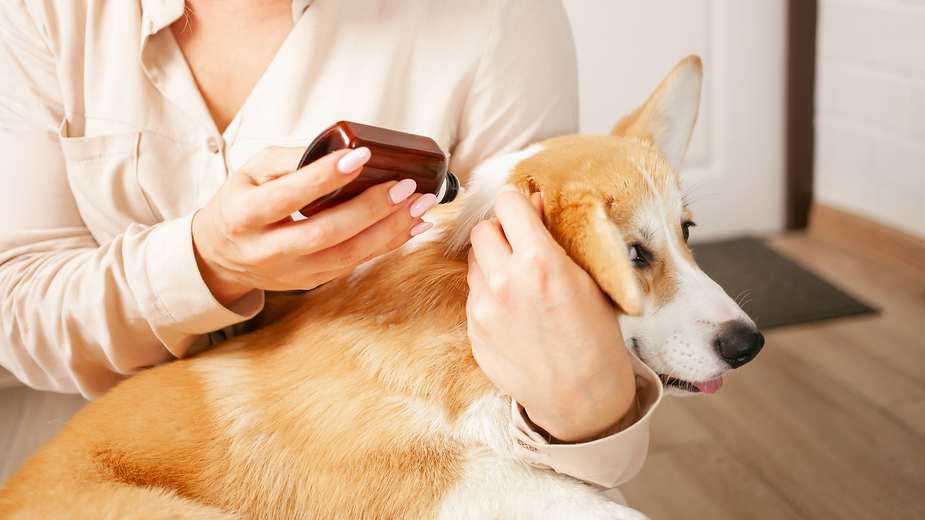
Ear infections hurt. They also show up often. Dogs with floppy ears or who swim often face higher risk. Cats can suffer as well. You might see head shaking, dark wax, or a strong smell. You might notice your pet pulling away when you reach for the head.
Common causes include yeast, bacteria, or ear mites. Each one needs a different treatment. Cleaning alone can make things worse. Cotton swabs can push debris deeper and add damage.
Your job is simple. You watch and act early. The clinic then checks the ear canal with light and sometimes uses a swab under a microscope. You get drops or medicine that match the cause. You might also get a plan for gentle cleaning at home.
The U.S. Food and Drug Administration’s ear health guide explains how ear products work. It also explains why correct use matters. You can use it to support what you hear at the visit.
3. Upset Stomach, Vomiting, And Diarrhea
Stomach trouble is another daily visitor at animal clinics. Some pets eat trash. Some swallow toys. Others react to a new treat. You may see vomiting, soft stool, drooling, or a tight, still belly. You might also see blood in stool or vomit. That sight can hit you hard.
Short stomach upset can pass. A single loose stool in a bright, active pet might not need a visit. Yet repeated vomiting, watery diarrhea, or any sign of blood needs quick care. So does a pet that will not drink or cannot keep water down.
At the clinic, your veterinarian may check hydration, feel the belly, and run stool or blood tests. In some cases, they may use X-rays to rule out a blockage. You then get a plan that may include fluids, bland food, or medicine for nausea.
The goal is simple. Stop the loss of fluid. Protect the gut. Ease pain. You then watch at home and follow the plan closely. You also keep small toys and trash out of reach to cut repeat scares.
4. Dental Disease And Bad Breath
Dental disease creeps up slowly. You might joke about bad breath. You might think it is normal. It is not. Gum disease is one of the most common problems in adult dogs and cats. It causes pain every time your pet eats. It also strains the heart and kidneys over time.
Warning signs include:
- Bad breath that does not fade
- Brown tartar on teeth
- Red or bleeding gums
- Dropping food or chewing on one side
The only real fix is a dental cleaning under anesthesia. The clinic cleans above and below the gum line. They may pull loose or broken teeth. You then start a home routine that might use brushing or special dental treats.
The American Veterinary Medical Association dental care guide explains how gum disease starts. It also explains what you can do at home. You can use this guide as a steady reference.
Quick Comparison Of These Common Conditions
|
Condition |
Most Obvious Sign |
Risk If You Wait |
Simple Step You Can Take Today |
|---|---|---|---|
|
Skin allergies |
Constant scratching or chewing |
Skin infection and open sores |
Start regular flea control and wash bedding |
|
Ear infections |
Head shaking and strong odor |
Chronic pain and hearing loss |
Check ears weekly for redness or smell |
|
Stomach upset |
Vomiting or watery stool |
Dehydration and organ strain |
Keep trash sealed and watch for repeat signs |
|
Dental disease |
Persistent bad breath |
Tooth loss and body wide infection |
Ask about brushing and dental checks at the next visit |
When To Call The Clinic Right Away
You know your pet. You see the small shifts. When you feel that pull of worry, trust it. Quick calls save lives. They also spare your pet long days of pain.
Call the clinic at once if you see:
You do not need perfect words. You only need to describe what you see. The team will guide your next step.
Taking Steady Action For Your Pet
These four problems show up every day. They also respond to clear, simple action. You watch for early signs. You keep records of changes. You reach out before small problems turn into storms.
Your pet gives you trust. You answer with steady care. You do not need to feel alone with fear. You have a clinic team ready to share the load and protect the quiet comfort of your home.
