
You want straight teeth that look clean and feel comfortable. You also want clear facts. Many people hear different opinions and feel stuck. A general dentist can guide you through choices that fit your mouth, budget, and daily life. When you talk with a dentist in Denton, TX, you often hear about four common orthodontic options. Each option moves teeth in a different way. Each one comes with its own schedule, cost, and level of daily care. This blog walks you through those four choices so you know what to expect before you commit. You will see how treatment can affect your bite, your speech, and your routine. You will also see what happens if you wait. With plain language and direct answers, you can weigh the pros and cons, ask sharper questions, and choose a path that protects both your health and your confidence.
Why Straightening Your Teeth Matters
Crooked teeth are not just a “look” problem. They trap food. They are harder to clean. They can cause jaw pain and worn teeth. The American Dental Association explains that straight teeth are easier to brush and floss, which lowers your risk of decay and gum disease.
You might feel guilty for waiting. You might feel scared about cost or pain. You are not alone. Many adults and teens feel the same stress. The good news is that you can start with a simple talk. You do not need to decide everything in one visit.
1. Traditional Metal Braces
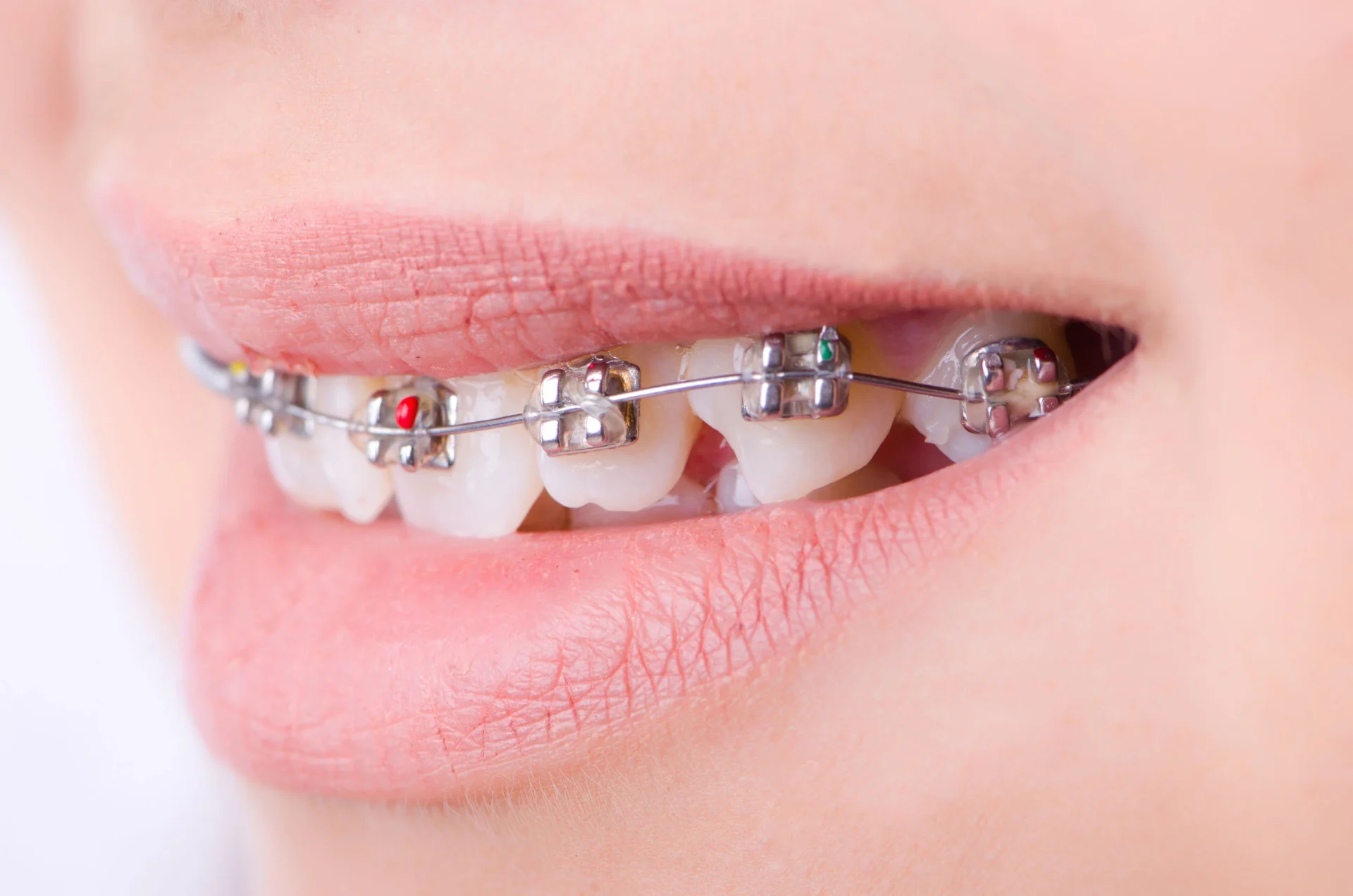
Metal braces are the option most people know. Brackets go on the front of each tooth. A wire connects them. Small bands hold the wire in place. The wire changes over time to guide your teeth into better spots.
Metal braces are strong. They work for mild, moderate, and complex cases. They can fix crowded teeth, big gaps, and bite problems. They stay on your teeth at all times, so you cannot lose them.
You need to:
- Brush with care around brackets and wires
- Avoid hard or sticky foods that can break parts
- Visit for regular checks and wire changes
Many families choose metal braces because they are time tested and often the lowest cost option.
2. Ceramic or Tooth-Colored Braces
Ceramic braces work like metal braces. The difference is the material. Brackets match your tooth color. The wire can be lighter in color. From a short distance, they are harder for others to see.
These braces may feel more comfortable for people who worry about their look at work or school. They still stay on your teeth all day and all night.
You need to:
- Keep them clean, since clear parts can stain from coffee, tea, or soda
- Follow the same food limits as metal braces
- Plan for similar visit schedules
Ceramic braces may cost more than metal. They may not be the best choice if you grind your teeth because the material can chip.
3. Clear Aligner Trays
Clear aligners are thin plastic trays that fit over your teeth. You receive a series of trays. Every one shifts your teeth a small amount. You change to a new tray after a set time, often every one or two weeks.
Aligners come out when you eat and when you brush and floss. This makes cleaning easier. Many adults like that aligners are hard to see in photos and in daily life.
You need to:
- Wear trays 20 to 22 hours each day for them to work
- Remove them only for meals and cleaning
- Clean trays and teeth before putting them back in
Aligners work best for mild to moderate crowding or spacing. Complex bite problems may still need braces. The National Institutes of Health has information on orthodontic treatment and oral health at the NIDCR orthodontics page.
4. Limited or Short-Term Orthodontic Treatment
Sometimes you do not need or want full treatment for every tooth. You may care most about the front teeth that show when you smile. In those cases, your dentist may suggest limited treatment.
Limited treatment can use:
- Metal braces on only front teeth
- Ceramic braces on selected teeth
- Short runs of clear aligners for small shifts
This option can take less time. It can cost less money. It does not always fix your bite. You and your dentist need a clear talk about what will and will not change.
Comparing Your Four Main Options
| Option | How Visible | Removable | Typical Use | Food Limits | Good For |
|---|---|---|---|---|---|
| Traditional metal braces | Easy to see | No | Mild to complex | Yes | Strong control and hard cases |
| Ceramic braces | Less easy to see | No | Mild to complex | Yes | Adults and teens who want a lower profile |
| Clear aligner trays | Hard to see | Yes | Mild to moderate | No, trays come out | People who can wear trays many hours |
| Limited or short-term treatment | Depends on method | Sometimes | Very mild or front teeth only | Varies | Faster cosmetic changes |
Questions To Ask Your Dentist
Before you choose any option, ask your dentist three key questions.
- What happens if you do nothing for the next five years
- What result can this option honestly give you
- What daily work do you need to put in at home
You can also ask about cost ranges, payment plans, and how often you will visit. Clear talk now prevents regret later.
Taking Your Next Step
You deserve a bite that works and a smile that feels safe. You do not need a perfect smile to protect your health. You only need teeth that you can clean and that meet in a stable way.
Set up a visit for an orthodontic check. Bring your questions in writing. Bring your fears too. A good dentist will welcome both. Together you can choose metal braces, ceramic braces, clear aligners, or a limited plan that fits your life right now.
