
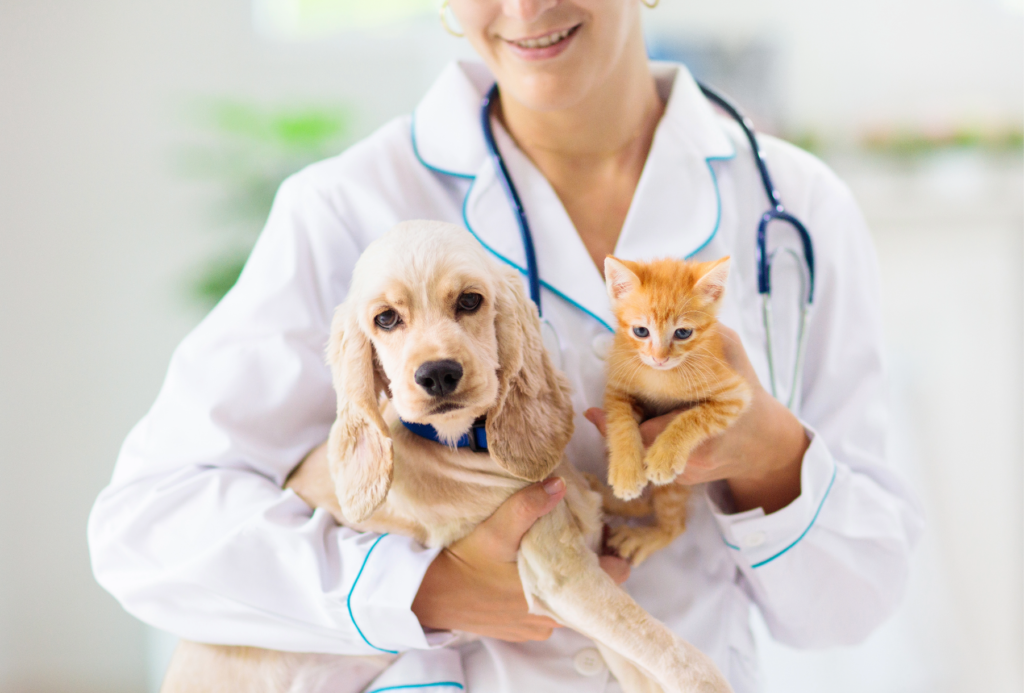
Caring for your pet involves understanding key veterinary services to keep them healthy. As a pet owner, you’re the first line of defense for their well-being. Routine vaccinations, dental care, and regular check-ups form the backbone of pet health. You should also know about spaying or neutering, which helps control pet populations and reduce health problems. If you notice behavior changes or signs of discomfort, immediate attention from a veterinarian and animal clinic in San Antonio, TX, or your local area is essential. Being proactive about nutrition and weight management also plays a crucial role in your pet’s quality of life. Microchipping your pet can prevent the heartbreak of losing them. Emergency care services are vital in unexpected situations. Your understanding of these services ensures a healthier, happier life for your pet. Stay informed and consult professionals for guidance on these essential services.
Routine Vaccinations
Vaccinations protect your pet from various diseases. By following a vaccine schedule, you ensure their immunity stays strong. Vaccines like rabies, distemper, and parvovirus are essential for dogs. Cats require vaccines for feline leukemia and calicivirus. Consult your vet for a schedule tailored to your pet’s needs.
Dental Care
Oral health impacts your pet’s overall health. Regular dental check-ups and cleanings prevent issues like gum disease and tooth decay. Brushing your pet’s teeth at home also helps maintain oral hygiene. If your pet has bad breath or difficulty eating, it’s time for a dental visit.
Regular Check-Ups
Annual check-ups catch health issues early. Vets assess your pet’s weight, behavior, and physical health. Early detection of problems leads to more effective treatments. These visits also give you a chance to discuss concerns with your vet.
Spaying and Neutering
This service prevents unwanted litters and reduces the risk of certain cancers. Spaying and neutering also curb behavior issues like roaming or aggression. Consult your vet to determine the best time for these procedures.
Nutrition and Weight Management
Balanced nutrition promotes a longer, healthier life. Obesity in pets can lead to diabetes, arthritis, and heart disease. Choosing the right diet and portion size is crucial. Regular exercise also helps maintain a healthy weight. Consult your vet for dietary recommendations.
Microchipping
Microchips offer a permanent way to identify your pet. If they get lost, a vet or shelter can scan the chip to reunite you. This service is quick and relatively painless for your pet. Ensure your contact information is up to date in the microchip registry.
Emergency Care
Knowing where to go in an emergency is crucial. Identify a 24-hour clinic in your area. Familiarize yourself with signs of distress like vomiting, difficulty breathing, or sudden behavior changes. Quick action can save your pet’s life.
Comparison of Routine Services
| Service | When Needed | Benefits |
|---|---|---|
| Vaccinations | Annually | Prevents infectious diseases |
| Dental Care | Annually | Prevents oral health issues |
| Check-Ups | Annually | Early detection of health problems |
| Spaying/Neutering | Once | Reduces health risks and behavior issues |
| Microchipping | Once | Permanent identification |
Understanding Behavioral Changes
Sudden changes in your pet’s behavior can be a sign of health issues. Monitor for signs like increased aggression, lethargy, or excessive scratching. Immediate consultation with a vet can prevent conditions from worsening.
Conclusion
By staying proactive about these veterinary services, you ensure your pet’s health and well-being. Regular communication with your vet provides the best care for your furry friend. For additional resources, visit the American Veterinary Medical Association. Always prioritize your pet’s health and happiness.
