
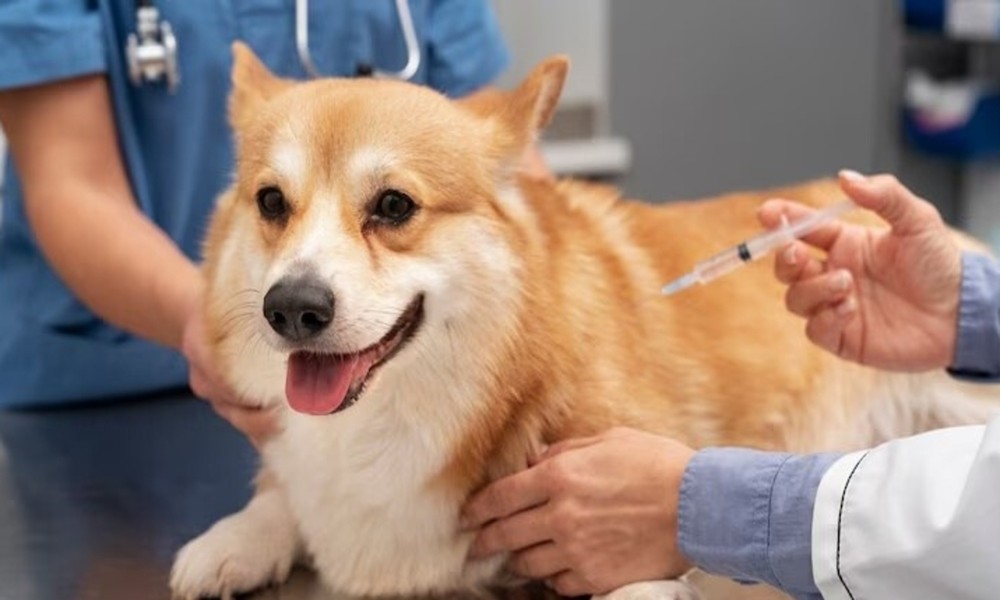
You want your pet to feel safe, stay strong, and live a long time. A general vet helps you reach that goal. Routine visits give you early warnings before problems grow. Simple checks catch changes in weight, behavior, teeth, skin, and movement. Each visit builds a record of your pet’s health. Over time, this record guides better choices about food, vaccines, and exercise.
Next, your vet supports you through every stage of life. Puppy or kitten. Adult. Senior. Needs change, and care must change with them. Your vet helps you plan for that.
Finally, your general vet connects you with trusted support when you need more tests or surgery. If you visit an animal hospital in Guelph or any other clinic, your own vet still knows your pet’s story. That steady partnership is the base of long-term wellness and real peace of mind.
1. Regular checkups catch problems early
You see your pet every day. Your vet sees patterns you miss. A routine exam often finds problems in quiet stages when treatment is easier and kinder.
During a checkup, your vet will usually
- Listen to the heart and lungs
- Check eyes, ears, teeth, and gums
- Test joints, muscles, and spine
- Review weight and body shape
- Ask about food, water, and bathroom habits
Research from the American Veterinary Medical Association shows that pets who get steady preventive care live longer and face fewer emergencies. You avoid sudden fear and high costs. Your pet avoids sharp pain and long recoveries.
As a simple guide, most vets suggest
- Puppies and kittens. Visits every 3 to 4 weeks until vaccines are done
- Healthy adults. One visit each year
- Seniors or pets with health issues. Visits every 6 months or more often
2. Vaccines and parasite control protect daily life
Common diseases spread through parks, backyards, and even indoor spaces. Your vet builds a vaccine and parasite plan that matches your pet’s risk and your local laws.
Core vaccines protect against the most dangerous diseases. Non-core vaccines depend on where you live and how your pet spends time. The Centers for Disease Control and Prevention explains how some infections pass between pets and people. Protection helps your whole household.
Example wellness plan for a healthy adult dog
|
Care type |
How often |
Why it matters |
|---|---|---|
|
Physical exam |
Every 12 months |
Finds early changes in heart, weight, skin, joints |
|
Core vaccines |
Every 1 to 3 years |
Prevents deadly infections like rabies and parvo |
|
Flea and tick prevention |
Monthly |
Reduces itching, blood loss, and disease spread |
|
Heartworm prevention |
Monthly |
Stops worms that damage the heart and lungs |
|
Dental cleaning |
Every 1 to 2 years |
Lowers tooth loss and strain on heart and kidneys |
Your vet reviews this plan each year. Needs change with age, new travel, or new health issues.
3. Nutrition and weight control add years
Food choices shape long-term health. Too much weight stresses joints, the heart, and lungs. Too little weight weakens the immune system. Both shorten life.
Your vet can
- Score your pet’s body condition using a simple chart
- Suggest food type and portion size
- Set a safe weight loss or gain target
- Warn you about unsafe treats and table food
Many owners feel guilty when they say no to extra snacks. Your vet helps you set clear rules, so you protect your pet instead of pleasing them for a moment.
4. Dental care protects more than the mouth
Dental disease is common. It often grows in silence. Bad breath, red gums, and loose teeth cause slow, constant pain. Bacteria from the mouth can reach the heart, liver, and kidneys.
A general vet supports dental wellness in three ways
- Checks teeth and gums during every exam
- Recommends home care like brushing or dental chews
- Performs cleanings under anesthesia when needed
Routine dental care helps your pet
- Eat with comfort
- Keep teeth longer
- Face fewer infections
- Stay more active and social
Clean teeth are not about looks. They are about quiet comfort every time your pet eats or plays.
5. Behavior and mental health support daily peace
Behavior changes often signal pain, fear, or confusion. A general vet looks at the whole picture. They connect body health and brain health.
You should talk to your vet if you notice
- New aggression or hiding
- House soiling in a trained pet
- Restless pacing or crying
- Loss of interest in play or family
Your vet might
This support keeps your home safer. It also keeps your bond with your pet strong and stable.
Working with your general vet for long-term wellness
Long-term wellness is not one big choice. It is many small choices that repeat. You book the visit. You follow the plan. You ask hard questions when you feel fear or doubt.
Your general vet stands with you through routine days and crisis days. With steady checkups, vaccines, parasite control, nutrition help, dental care, and behavior support, you give your pet a calmer, longer life. You also gain something rare. You gain the quiet comfort of knowing you did not look away when your pet needed you.
