
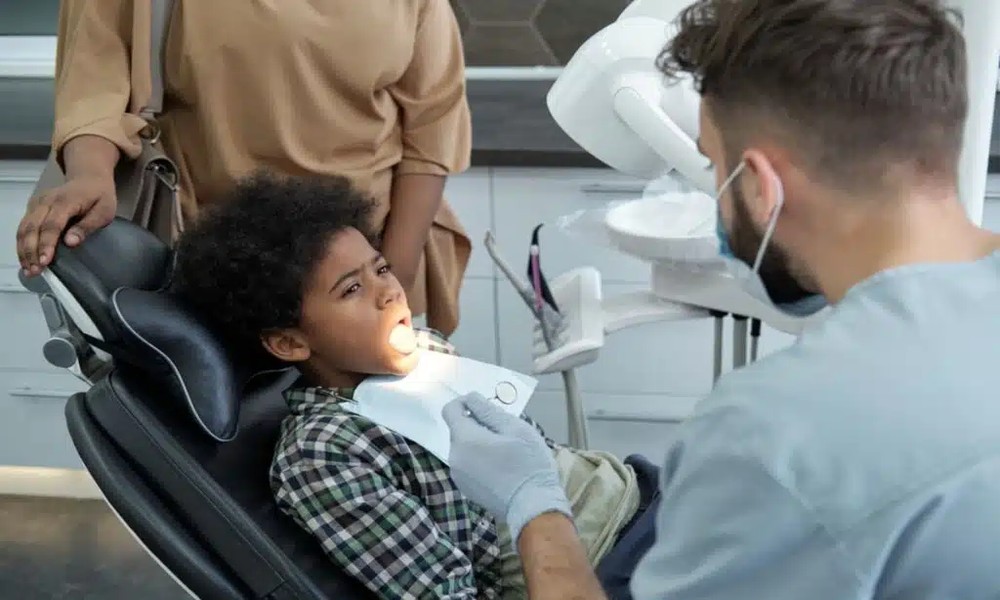
Life at home moves fast. Work, school, meals, and screens pull you in every direction. Dental care slips to the bottom of the list, yet pain, broken teeth, and missed cleanings always cost more time. A Vancouver family dentist helps you cut through the chaos. You get one trusted place for checkups, repairs, and advice. You do not juggle multiple clinics or repeat your story. Instead, you bring your questions, your worries, and your kids to the same chair. You hear clear options, simple steps, and honest timelines. You see how each choice affects your time, your money, and your comfort. You leave with a plan that fits your schedule, not the other way around. This blog shows four specific ways a family dentist makes treatment planning easier, faster, and less stressful for your home.
1. One office for the whole household
A family dentist treats children, teens, adults, and older adults in one office. You keep one phone number, one online portal, and one set of forms. That cuts repeat questions and lost records.
This matters when life feels crowded. You align visits with school breaks, work shifts, and child care. You also keep a single record of your family history. That helps the dentist spot patterns early, such as weak enamel or gum disease that runs in the family.
Here is how one office compares with using several clinics.
|
Planning task |
One family dentist |
Different dentists for each person |
|---|---|---|
|
Scheduling cleanings |
Group visits in one morning or afternoon |
Separate dates, repeated calls and emails |
|
Sharing medical history |
Update one chart for the whole home |
Fill out similar forms at each office |
|
Tracking treatment plans |
One view of all upcoming care |
Different portals and printouts to sort |
|
Emergency visits |
Staff already knows your family story |
Need to explain background each time |
|
Anxiety support |
Same team, same room, steady routine |
New faces and rules at each clinic |
The Centers for Disease Control and Prevention shows that regular care lowers tooth decay and infections. One home base makes those visits more likely.
2. Linked appointments that save time
Busy homes often skip care because each person needs a different slot. A family dentist groups visits so you spend less time in transit and in the waiting room.
You can often:
- Book back-to-back cleanings for siblings
- Pair a parent checkup with a child exam
- Set evening or early morning times when possible
This linked approach helps treatment planning. You can map out the year in one call. You also match visits with key events. For example, you can plan fillings before exams or sports seasons. You can schedule whitening or repair work well before photos or travel.
Here is a simple way to think about time savings.
|
Visit style |
Trips per year for a family of four |
Time off work or school |
|---|---|---|
|
Separate clinics, separate days |
8 to 12 trips |
Several half days |
|
Grouped visits at one family dentist |
2 to 4 trips |
One or two half days |
You protect your income and your energy. You also show your children that care can fit into a normal week.
3. Clear plans for each age and stage
A family dentist knows how teeth change from baby years through late life. That helps build clear, simple plans. You see what matters now and what can wait.
For young children, the focus often includes:
- Checkups to watch tooth growth
- Fluoride and sealants to block decay
- Coaching on brushing and snacks
For teens and adults, the focus often shifts to:
- Cavity repair
- Gum care
- Possible braces or aligners
For older adults, the plan might stress:
- Tooth wear and cracks
- Dry mouth from medicine
- Partial dentures, crowns, or implants
The National Institute of Dental and Craniofacial Research explains that needs shift with age. A family dentist uses that science to build step-by-step plans. You avoid rushed choices. You also avoid slow drift, where small issues grow into emergencies.
You can ask three key questions at each visit.
- What must we fix now
- What can wait a few months
- What should we watch for the next year
Those answers turn guesswork into a clear path. You gain a calendar and a budget that feel honest.
4. Straight talk about cost and options
Money stress ruins many treatment plans. A family dentist cuts that stress with plain language. You hear the cost of each option, what your plan may pay, and what timing makes sense.
You can expect help with three things.
- Cost ranges for each treatment
- Insurance checks before you start
- Phased plans that spread work across months or years
Here is a simple example of how a plan can change your choice.
|
Treatment choice |
Upfront impact |
Long term impact |
|---|---|---|
|
Put off a small cavity |
No cost today |
Higher risk of root canal or extraction |
|
Fill the cavity this month |
One visit and modest fee |
Lower risk of pain and larger bills |
With clear facts, you can choose what fits your home. You can also plan for special care, such as braces or implants. When you see the full picture, you feel less shame and more control.
How to use these four strengths today
You can start with three simple steps.
- List who in your home needs a checkup or follow-up
- Call a family dentist and ask for grouped visits
- Bring your questions in writing to the first visit
Ask for a written plan for each person. Include timing, cost ranges, and what happens if you wait. Keep that plan where you see it often. Treat it like a home repair list. You would not ignore a roof leak. Your mouth deserves the same care.
A steady relationship with a family dentist does more than fix teeth. It gives your home a clear, calm plan when life already feels full. You save time, you lower surprise bills, and you protect the health of the people you love most.
