
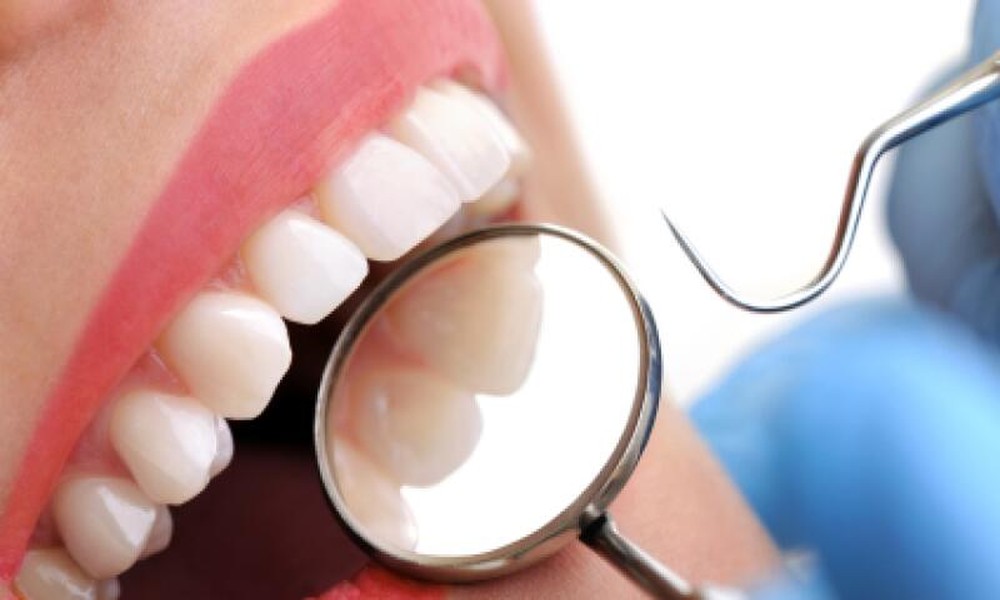
You trust your general dentist to protect your health, not just your smile. Sometimes that means your regular visit uncovers warning signs that call for extra screenings. These signs can feel small. A sore spot that will not heal. A change in how your teeth fit. A lump under your tongue. A new headache that keeps coming back. Each one can point to something deeper that needs quick attention. Your dentist watches for these changes every time you sit in the chair. An Edmonton dentist uses simple checks during cleanings to catch silent problems early. You deserve clear answers when something looks off. This blog explains four clear signs your dentist may suggest more tests. It helps you know what to expect, why it matters, and how early action protects your health.
1. Mouth sores that do not heal
A sore spot that lingers for more than two weeks is a clear warning. You might see it on your tongue, cheeks, gums, or lips. It might bleed when you brush. It might feel rough when you eat. You might want to wait and see. Do not ignore it.
Your dentist may recommend:
- An oral cancer screening light
- A small tissue sample called a biopsy
- A referral to an oral surgeon or medical specialist
The goal is simple. Find out if the sore is from irritation or something more serious, like early oral cancer. The National Cancer Institute explains that early mouth cancers are easier to treat and have better outcomes. Quick testing can calm fear. It can also catch a disease before it spreads.
2. Lumps, bumps, or thick patches
You might feel a lump with your tongue while you watch a show. You might see a white or red patch in the mirror. You might feel fullness in your jaw or under your chin. These changes can feel strange and unsettling. They are never normal.
Your dentist checks for:
- Lumps on the tongue, floor of the mouth, and cheeks
- Swollen glands in the neck or under the jaw
- Thick or raised patches on the gums or inner lips
If something feels different, your dentist may order scans or send you to a specialist. These screenings can rule out infections, cysts, or tumors. They can also spot early bone changes. The aim is not to scare you. It is to act before a small change becomes a serious crisis.
3. Loose teeth or changes in your bite
Adult teeth should not feel loose. They should not shift or spread. Your bite should feel the same each time you close your mouth. When this changes, your dentist pays close attention.
Warning signs include:
- Teeth that wiggle when you press them
- Gaps that were not there before
- Clicking in your jaw when you chew
- Pain when you bite or clench
Your dentist may suggest extra X-rays or scans. These tests look for bone loss from gum disease. They also show cracks in teeth or joint problems in your jaw. The Centers for Disease Control and Prevention links untreated gum disease with tooth loss and health problems in other parts of the body. Early screening and treatment can save teeth and lower the risk of other diseases.
4. Ongoing jaw pain or new headaches
Jaw pain and headaches can come from many causes. Teeth grinding during sleep. A tight jaw from stress. A joint problem where the jaw meets the skull. When pain keeps coming back, your dentist may want more answers.
You might notice:
- Headaches when you wake up
- Sore jaw muscles after work or school
- Locking or catching when you open wide
- Ringing in your ears with jaw movement
Your dentist may recommend bite tests, jaw motion checks, or imaging of the joint. These screenings help plan treatment that eases strain and pain. They also help rule out nerve or bone disease that needs medical care.
How dentists decide on extra screenings
Routine visits give your dentist a record of your mouth over time. That record guides choices about extra testing. The table below shows how common signs link to possible screenings.
|
Sign you notice |
What your dentist sees |
Possible extra screening |
|---|---|---|
|
Sore that will not heal |
Ulcer or color change for more than 2 weeks |
Oral cancer exam and biopsy |
|
Lump or thick patch |
Raised tissue or swollen gland |
Scan and referral to oral surgeon |
|
Loose tooth or new gap |
Bone loss or deep gum pockets |
Full mouth X rays and gum charting |
|
Jaw pain or morning headache |
Worn teeth and jaw joint tenderness |
Bite test and jaw joint imaging |
|
Numbness or tingling |
Change in nerve response |
Neurologic consult and advanced imaging |
What you can do between visits
You play a strong role in early detection. Simple daily habits help.
- Look in your mouth once a month for sores, lumps, or color changes
- Notice any changes in how your teeth fit or how your jaw moves
- Write down symptoms like headaches, jaw pain, or bleeding gums
- Share this list with your dentist at every visit
If something feels wrong, call. Do not wait for your next checkup. Quick action is an act of care for yourself and those who count on you.
Why early screenings protect more than your mouth
Your mouth connects to your whole body. Infections can spread. Inflammation can strain your heart and immune system. Cancers that start small can grow fast. Extra screenings do not mean something terrible has already happened. They mean your dentist is taking your health seriously.
When you say yes to needed tests, you gain three things. You gain clear answers. You gain faster treatment if something is wrong. You gain peace of mind when results are normal. That is real protection for you and your family.
