
You might be feeling a mix of worry and confusion right now. Maybe your vet mentioned a dental procedure, an X-ray, or even something like an endoscopy, and you nodded along in the exam room at the veterinarian in Houston Heights, TX, then got home and thought, “What does that actually mean for my pet?”
That shift from “My pet seems fine” to “My pet might need a medical procedure” can be frightening. You love your animal, you do not want them in pain, and you also do not want to agree to anything you do not understand. Because of that tension, it helps to slow things down and walk through what really happens with some of the most common procedures at an animal hospital.
Here is the short version. Most of the core procedures your veterinarian recommends are designed to do one of three things. Prevent future problems, find out what is going on inside the body, or treat pain and disease. When you understand common procedures at animal hospitals, the choices in front of you feel less like a blur and more like a set of informed options.
Why do common animal hospital procedures feel so overwhelming?
It often starts with something small. Bad breath. A cough that will not go away. A limp that seems better one day and worse the next. You bring your pet in expecting a quick fix, and suddenly the conversation includes words like “dental cleaning under anesthesia,” “imaging,” or “endoscopy.”
The problem is not only the medical side. There is the emotional pull of guilt and fear. You might think, “Did I miss something earlier?” or “What if they do not wake up from anesthesia?” Then there is the financial side. You hear estimates that climb into hundreds or even thousands of dollars, and you wonder which procedures are truly needed and which might be optional.
So where does that leave you? In a place where you need clarity. Not pressure. Not jargon. Just a clear sense of what these procedures are, why they are recommended, and how they help your pet feel better or live longer.
1. Dental procedures for pets: Is it really more than “just bad breath”?
Dental care is one of the most common services at any animal hospital. Many pets develop plaque, tartar, and gum disease by middle age. You might notice smelly breath, blood on a chew toy, or your pet shying away when you touch their mouth.
The concern is not only the teeth. Untreated dental disease can cause chronic pain, and bacteria in the mouth can affect the heart, kidneys, and liver over time. That is why veterinarians often recommend a professional dental cleaning under anesthesia. This allows the team to clean under the gum line, take dental X-rays, and remove damaged teeth if needed.
If you want to see what advanced veterinary dentistry can involve, take a look at the dentistry and oral surgery services at a leading teaching hospital, such as the program described here: veterinary dentistry and oral surgery services. You will see that “dental work” in pets is not cosmetic. It is medical care that can dramatically improve comfort and quality of life.
2. Imaging procedures: How do X-rays and scans help your pet?
Sometimes the outside of your pet looks completely normal, while the real story is hidden inside. That is where imaging comes in. Common imaging procedures include X-rays, ultrasound, CT scans, and sometimes MRI.
Your vet might recommend imaging if your pet has chronic vomiting, trouble breathing, ongoing lameness, or a mass they can feel but not fully assess. Imaging can help identify broken bones, heart disease, tumors, bladder stones, and many other conditions that are not obvious from a physical exam alone.
To see how broad these imaging options can be, you can review the types of studies offered through a dedicated veterinary imaging service, such as those described here: advanced veterinary imaging services. This gives you a sense of why your vet might say, “We really need an X-ray or ultrasound to know what is going on.”
3. Endoscopy: When is a “camera scope” inside the body helpful?
Endoscopy sounds intimidating, yet it is often less invasive than surgery. An endoscope is a flexible tube with a camera and light at the end. It is passed into the body, usually through the mouth or rectum, while your pet is under anesthesia. This allows the vet to see the inside of the esophagus, stomach, intestines, or airways, and to take small tissue samples called biopsies.
Your veterinarian might discuss endoscopy if your pet has chronic vomiting, diarrhea, weight loss, swallowing problems, or suspected foreign objects in the stomach. In some cases, endoscopy can even remove an object without needing open surgery.
If you want a deeper look at how this works in practice, you can read about small animal endoscopy as described by a university hospital here: veterinary endoscopy for small animals. Seeing how routine this procedure is in advanced centers can help ease some of the fear.
4. Routine surgeries: What about spays, neuters, and lump removals?
Another group of common procedures includes spay and neuter surgeries, as well as removal of skin lumps or small masses. These are so common that they can sometimes be brushed off as “simple,” yet they still involve anesthesia, recovery time, and real decisions.
Spaying and neutering can reduce the risk of certain cancers, prevent life-threatening infections like pyometra in female dogs, and help manage unwanted behaviors or pregnancies. Lump removals are often recommended so the tissue can be tested. This tells you whether the mass is benign or something that needs further treatment.
Even when a surgery is called “routine,” it is normal to feel anxious. You are trusting a team to care for a family member who cannot speak for themselves. Asking about anesthesia protocols, pain control, and monitoring is not overprotective. It is responsible.
How do the benefits and risks of these procedures compare?
When you hear about different options, you might wonder how to weigh them. Here is a simple comparison to help frame the conversation with your vet.
| Procedure Type | Main Goal | Common Benefits | Typical Concerns |
|---|---|---|---|
| Dental cleaning and extractions | Treat and prevent dental disease | Less pain, better breath, lower risk of organ issues from infection | Cost, anesthesia, need for ongoing home care after |
| Imaging (X-ray, ultrasound, CT) | Diagnose internal problems | More accurate diagnosis, better treatment plans, may avoid unnecessary surgery | Cost, mild stress for the pet, sometimes need for sedation |
| Endoscopy | View and sample internal organs, remove objects | Less invasive than surgery, targeted biopsies, quicker recovery | Anesthesia, may still need surgery if findings are severe |
| Routine surgeries (spay, neuter, lump removal) | Prevent disease or remove abnormal tissue | Lower cancer risk, fewer infections, clear diagnosis of masses | Anesthesia risk, recovery time, emotional stress for the family |
Seeing it laid out like this can make it easier to ask, “What is the main goal here?” and “Is there another way to reach that goal?” That is the heart of understanding common veterinary procedures.
Three practical steps you can take before agreeing to a procedure
1. Ask your vet to translate the medical plan into plain language
You are allowed to say, “Can you explain what this procedure does in simple terms, and what happens if we wait?” A good care team will walk you through the purpose, expected outcome, and main risks. Ask what your pet will feel before, during, and after. Ask how pain will be managed. Clear answers build trust.
2. Request a written estimate and prioritize
Money is part of the picture, even when you wish it were not. Ask for a written estimate that separates “essential” items from “recommended but optional” ones. For example, imaging might be essential to know what surgery is needed, while a non-urgent lump removal could be scheduled later. This helps you plan and avoid surprise costs.
3. Prepare for recovery at home
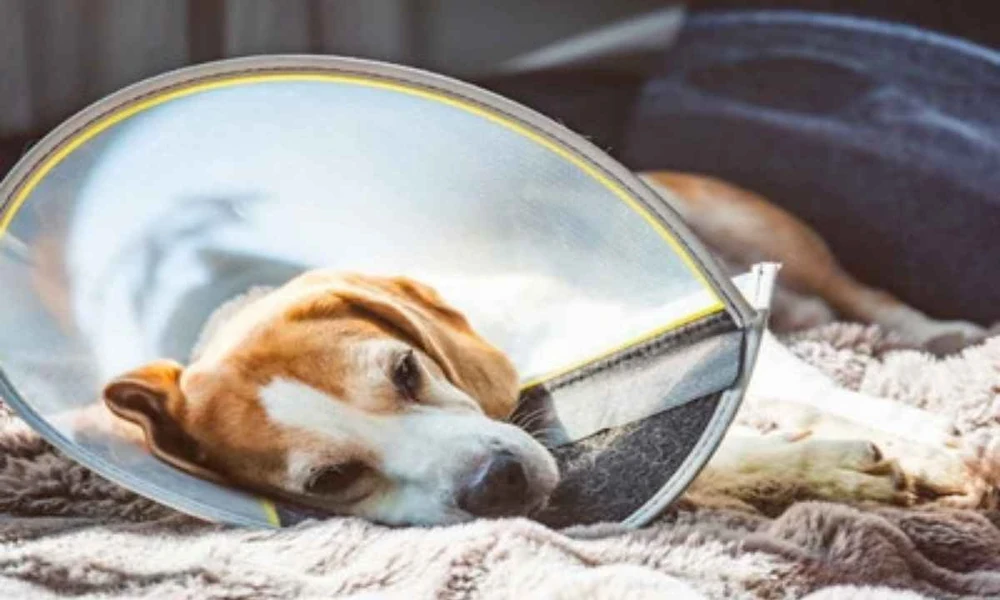
Many procedures go smoothly, yet the hardest part for you can be the aftercare. Ask what supplies you will need at home, such as a cone, medications, or soft food. Clarify what is normal during recovery and what is an emergency. Having this plan in place makes you feel less helpless once your pet is back in your care.
Moving forward with more confidence and less fear
You may not have chosen to learn about medical procedures for animals, yet here you are, doing it because you care. That alone says a lot about the kind of guardian you are. When you understand why an animal hospital service is recommended, it becomes less of a mystery and more of a tool you can choose to use for your pet’s health.
Your next step is simple. Take your questions back to your veterinarian. Ask about the goals, the alternatives, the costs, and the recovery. You are not being difficult. You are being thoughtful. With clear information and an honest conversation, you can make decisions that feel right for both you and your pet.
