
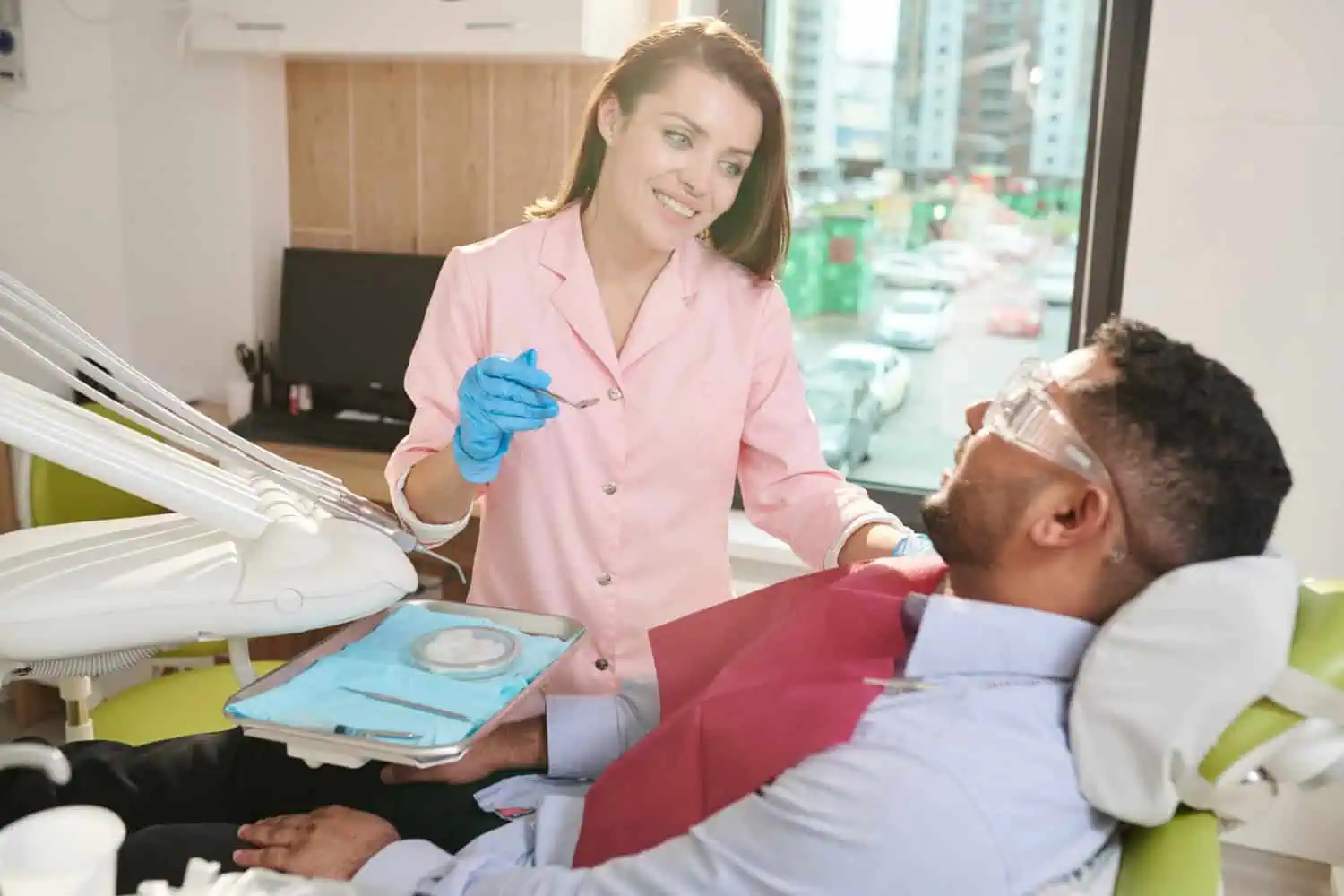
Preventive care in family dentistry protects your health, comfort, and wallet. Today, technology changes how you spot problems early, avoid pain, and save teeth. You no longer need to wait for a toothache. Now your dentist can see issues before you feel them. That gives you time to act. It lowers stress and cuts down on urgent visits. An Easton dentist can use new tools to track small changes in your mouth. They can show you clear images. They can explain what is happening in plain terms. This helps you trust the plan and stay on track. In this blog, you will see three clear ways technology supports you. You will learn how it sharpens exams. You will see how it supports cleanings. You will see how it builds safer, smarter follow up.
1. Stronger early detection with digital imaging
Technology lifts preventive care by helping you catch small problems early. Digital imaging is the core tool. It replaces older film and guesswork with fast, clear pictures.
Here is what that means for you and your family.
- You spend less time in the chair. Images appear on the screen in seconds.
- You face less radiation. Digital X rays use far less exposure than film X rays.
- You see what your dentist sees. That builds trust and shared decisions.
The Centers for Disease Control and Prevention (CDC) reports that tooth decay is common in children and adults. Digital imaging helps you find decay while it is still small. That means simpler fillings, or sometimes no drilling at all.
Common tools include bitewing X rays, panoramic images, and small intraoral cameras. These tools can catch:
- Early cavities between teeth
- Bone loss that hints at gum disease
- Cracks in teeth
- Problems around crowns and fillings
Now your dentist can zoom in, change contrast, and compare images from past visits. You get a clear picture of change over time. That supports better choices about treatment and timing.
Digital imaging compared with traditional film X rays
| Feature | Digital imaging | Film X rays |
|---|---|---|
| Image time | Seconds on screen | Minutes for film to develop |
| Radiation exposure | Lower | Higher |
| Image sharing | Email or secure transfer | Physical copies only |
| Image quality | Easy to zoom and adjust | Fixed image, hard to adjust |
| Environmental impact | No chemical processing | Chemicals and film waste |
This early detection protects your teeth. It also helps you avoid surprise costs that come from late stage problems.
2. Cleaner teeth with advanced tools and tracking
Preventive care depends on clean teeth and healthy gums. Technology makes cleanings more exact and less tense for both adults and children.
First, ultrasonic scalers use sound waves to remove plaque and tartar. You still feel pressure, but the motion is smoother. This helps your dentist clean deep spots around back teeth. It also reduces scraping on the tooth surface.
Second, new polishing tools use fine powders and focused air. This can reach tiny pits and grooves where stains and bacteria hide. It also helps keep the tooth surface smooth. That makes it harder for plaque to stick.
Third, dentists now use digital charts to track your gum health. They record pocket depths around each tooth with precise numbers. Over time, you and your dentist can see if your gums are stable, getting better, or slipping.
The National Institute of Dental and Craniofacial Research (NIDCR) explains that gum disease links to heart disease and diabetes. When your dentist uses better tools to clean and measure, they protect more than your mouth. They support your whole body.
For your family, this means three clear gains.
- Your child can grow up with fewer cavities and less fear of the dentist.
- You can manage early gum problems before they turn into bone loss.
- Older adults can protect teeth that support eating, speech, and daily comfort.
Each cleaning visit becomes a check on your habits. You see which teeth collect plaque. You learn where to brush and floss with more care. Technology turns cleaning into a feedback loop, not just a quick polish.
3. Safer follow up with digital records and smart reminders
Preventive care works only when you keep up with visits and home care. Technology helps you stay on track. It removes guesswork about when to come back and what to watch.
Digital records hold your X rays, photos, notes, and treatment history in one place. Your dentist can see patterns over years. They can notice if you get cavities in the same spot. They can track how fast wear or grinding is getting worse. This leads to plans that match your risk, not a one size schedule.
Here is how this helps you.
- You get recall visits based on your needs. For example, every three months if your gums need close watch.
- You receive clear printouts or portal notes after each visit. These list next steps and home care tips.
- You can share records with other health providers when needed.
On top of that, many offices use text or email reminders. These prompts reduce missed visits. They also nudge you to book cleanings for your children before school starts or before sports seasons.
Some practices use simple risk tools to sort patients into low, medium, or high risk for tooth decay or gum disease. You might answer questions about diet, brushing, flossing, and health conditions. Your dentist then matches your care plan to your risk group. That can include fluoride, sealants, or extra cleanings.
For families, this system creates three strong outcomes.
- Less chaos from sudden dental pain.
- Lower total cost over time because you prevent big problems.
- More control, since you see the plan and the reasons behind it.
Putting technology to work for your family
Technology does not replace the human side of care. It supports it. You still need steady brushing, flossing, and smart food choices. You still need regular checkups.
Yet when you pair these habits with digital tools, you get stronger protection. You spot problems early. You clean more completely. You follow a clear plan that fits your life.
At your next visit, you can ask three simple questions.
- What digital tools do you use to catch problems early
- How do you track changes in my gums and teeth over time
- How will you remind me and my family about needed checkups
Your dentist can then show you the screens, images, and charts they use. You gain clarity. You gain control. Most of all, you gain a better chance to keep your natural teeth strong through every stage of life.
