
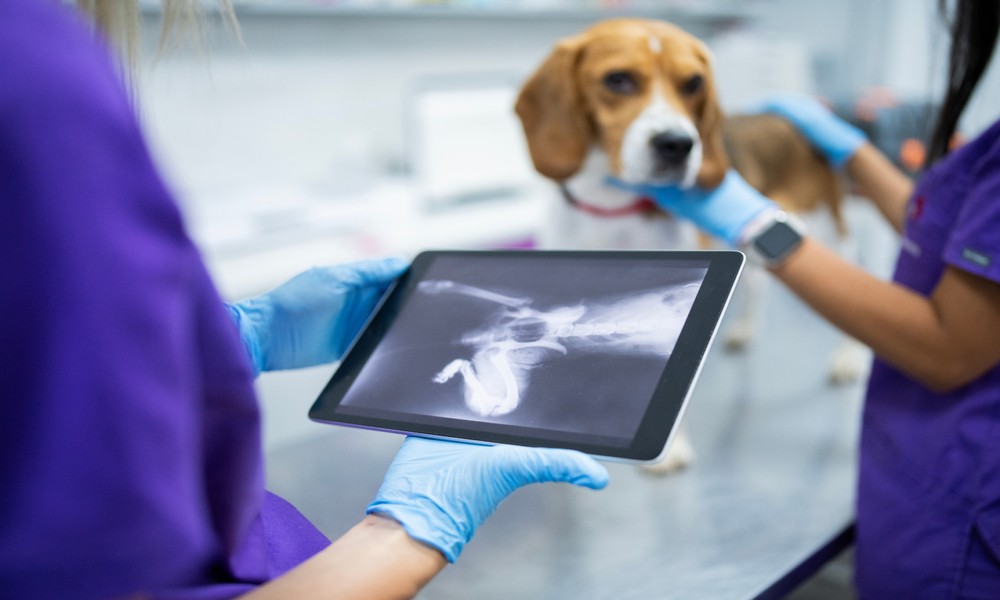
When your pet is sick or hurt, you want clear answers fast. Advanced imaging gives you that clarity. It shows what is happening inside your pet’s body so your vet can act with confidence. In many animal hospitals, including those focused on animal care in Bedford, tools like digital X-rays, ultrasound, and CT scans change how teams find and treat disease. These tests do not replace a physical exam. Instead, they add sharp detail that eyes and hands cannot reach. You see more. You guess less. You start treatment sooner. That means less pain, fewer surprises, and stronger plans for surgery or long-term treatment. It also means fewer repeat visits and lower risk during emergencies. When you understand how advanced imaging works for your pet, you can ask better questions, weigh choices, and stand firm in stressful moments.
1. Faster, clearer answers when every minute counts
Time feels heavy when your pet is in crisis. Advanced imaging cuts that weight. It turns fear and guessing into facts that you and your vet can act on right away.
Here is how it helps in urgent moments.
- Finds hidden injuries. X-rays and CT scans can show broken bones, chest trauma, swallowed toys, or bladder stones that you cannot see from the outside.
- Spots internal bleeding. Ultrasound can show fluid in the belly or around the lungs. That tells your vet how serious the problem is and what to do next.
- Guides life saving steps. Imaging can show if your pet needs surgery, oxygen, or only medicine and rest.
The U.S. Food and Drug Administration explains that imaging tests let doctors see inside the body without cutting it open. That means faster diagnosis and better planning for care. You can read more about how imaging works in people at the FDA page on medical X-ray imaging. The same core ideas apply to pets.
In an emergency, three things matter most.
- How fast you get answers
- How clear those answers are
- How quickly treatment can start
Advanced imaging supports each step. It shortens the wait for results. It reduces confusion. It helps the team move with purpose instead of doubt.
2. Safer, more precise surgery and treatment
Imaging does more than find problems. It helps your vet plan the safest path forward. That planning protects your pet before, during, and after surgery.
Here is what that looks like in daily care.
- Better surgical maps. CT and ultrasound can show the size and exact spot of a mass, foreign object, or torn ligament. Your vet can plan the cut, the tools, and the time in the operating room.
- Lower anesthesia risk. Chest X-rays and heart ultrasound can reveal heart or lung disease. That helps the team adjust anesthesia and monitor your pet more closely.
- Targeted treatment. Imaging can guide needles into the right spot for biopsies or fluid drains. That reduces random pokes and pain.
The National Institutes of Health notes that medical imaging supports “more accurate diagnosis and treatment planning” for people. Veterinary teams use similar tools with the same goal. You get focused treatment instead of trial and error.
When surgery is planned well, three outcomes improve.
- Shorter time under anesthesia
- Less tissue damage
- Faster healing and less suffering
You may not see the scans. You feel the difference when your pet wakes up more stable and comes home sooner.
3. Stronger long-term health planning
Advanced imaging also supports the long game. It helps track chronic disease, check treatment progress, and give you a real picture of what to expect.
Here are three common uses.
- Monitoring heart disease. Heart ultrasound and chest X-rays can show changes in heart size and fluid in the lungs. That guides heart medicines and diet.
- Watching cancer. X-rays, CT, and ultrasound can track tumor size or spread. That helps you and your vet decide when to adjust treatment or focus on comfort.
- Checking joints and spine. Imaging can show arthritis, hip problems, or spinal changes. That supports pain control plans and lifestyle changes.
This long view matters for aging pets. It also matters for breeds that carry a higher risk for heart, joint, or breathing problems. With regular imaging checkups, you can spot trouble early and slow it down.
Common imaging tools and how they compare
Each imaging tool has strengths. Knowing the basic differences helps you understand why your vet chooses one test instead of another.
|
Tool |
What it shows best |
Common uses |
Need for anesthesia |
Result speed |
|---|---|---|---|---|
|
Digital X ray |
Bones and chest |
Fractures, arthritis, lung disease, swallowed objects |
Often not needed |
Minutes |
|
Ultrasound |
Soft organs |
Liver, kidneys, bladder, pregnancy, fluid in belly |
Sometimes light sedation |
Same visit |
|
CT scan |
Detailed cross sections |
Head, spine, complex fractures, nasal disease, some cancers |
Often needed |
Same day in many hospitals |
You can ask three simple questions whenever an imaging test is offered.
- What are you looking for
- How will this change treatment
- Are there any other options
Clear answers to those questions mean the test has a strong purpose.
Keeping your pet safe during imaging
Safety is a common worry. That concern is honest and deserves straight answers.
- Radiation. X-rays and CT use a small dose of radiation. Modern machines use the lowest dose that still gives a clear picture. Staff step out of the room and may wear shields. Your pet is held or padded so the team does not need to repeat the test.
- Ultrasound. Ultrasound uses sound waves, not radiation. It is often gentle enough for awake pets. Some need mild calming medicine if they feel stressed.
- Anesthesia. When anesthesia is needed, the team checks blood work, heart, and lungs first. They use monitors for heart rate, breathing, and oxygen. They stay at your pet’s side until fully awake.
Every test has tradeoffs. The goal is simple. Get enough information to protect your pet while keeping the risk as low as possible.
How you can prepare and what to expect
You can support your pet before and after imaging with three steps.
- Before the visit. Ask if your pet should skip breakfast. Bring a list of medicines and past health problems.
- During the visit. Share what you see at home. Changes in appetite, breathing, or energy help the vet read the images in context.
- After the visit. Ask for a clear summary. What did the images show? What is the plan for today, next week, and three months from now?
Advanced imaging in animal hospitals does not replace your bond with your pet. It protects it. You gain clearer answers, safer treatment, and stronger long-term plans. That knowledge brings steadiness when fear tries to take over.
